
Are air compressor parts interchangeable?
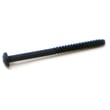
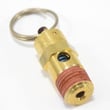
Most air compressor parts are not interchangeable, especially on a Craftsman 919152810 air compressor; internal components (pump parts, valves, seals, and controls) must match the exact design, pressure range, and mounting style to fit correctly and run safely.
What’s usually model-specific (not interchangeable)
These parts commonly vary by brand, pump design, and pressure settings, so we match them by model number and specs:
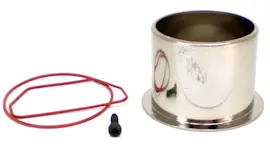
- Pump components (cylinder, piston, connecting rod, reed/plate valves)
- Head gasket and seal kits (thickness and port layout matter)
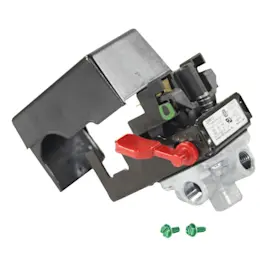
- Pressure switch (cut-in/cut-out settings and port configuration)
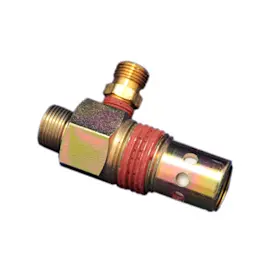
- Check valve and unloader setup (thread type and tube size)
- Regulator body style and gauge ranges
What’s sometimes interchangeable (with careful matching)
Some external items can be shared across compressors, but only when the connection type and ratings match:
- Quick-connect couplers and plugs (style must match your tools and hoses)
- Hose fittings and adapters (thread type and size must match)
- Pressure gauges (range and mounting thread must match)
Quick compatibility checklist (what to compare)
Use this as a fast way to avoid leaks, poor performance, or damaged threads.
| Part type | Must match | Common mismatch problem |
|---|---|---|
| Fittings/couplers | Coupler “style” and thread size | Won’t connect or leaks at the coupler |
| Pressure switch | Pressure range, ports, mounting | Won’t shut off, won’t start, trips breaker |
| Check valve | Thread type, tube size, flow direction | Hard starting, air bleeding back into pump |
| Pump internals | Exact pump design and dimensions | Won’t fit, low pressure, rapid wear |
Why it matters
Air compressors rely on tight sealing and correct pressure control. A “close enough” valve, switch, or gasket can cause constant cycling, failure to build tank pressure, or air leaks that make the unit run hotter and louder.
Best next step for Craftsman 919152810
We use your model number to identify the correct replacement by fit and pressure rating. Start with the parts list for Craftsman 919152810, or search by model number on Sears PartsDirect. For troubleshooting that helps confirm which part is actually failing, use our DIY guide: air compressor air leaks.
Last updated: February 2026
How to tell if an air compressor regulator is bad?
A bad regulator on your Craftsman 919152810 air compressor won’t hold a steady outlet pressure. The most common signs are outlet pressure creeping up after you set it, pressure dropping hard when a tool is running, constant leaking or hissing at the regulator, or the knob not changing pressure smoothly.
Quick symptoms checklist
- Pressure creep: you set 90 PSI, then the outlet slowly rises without touching the knob
- Pressure droop: outlet pressure falls sharply when you pull the trigger on a nailer or blow gun
- Fluctuating gauge reading: outlet needle bounces while airflow is steady
- Constant hissing at the regulator: leak at the body, knob stem, or fittings
- Knob problems: won’t turn, won’t “lock in,” or changes pressure in sudden jumps
- Tools underperform: weak impact wrench, inconsistent spray pattern, slow nail set
Simple tests we use (safe, no special tools)
- Set tank pressure first: let the compressor fill and shut off normally.
- Set outlet pressure: dial the regulator to a common working pressure (example: 90 PSI).
- Watch for creep: with no air tool connected and no airflow, the outlet gauge should stay steady.
- Check droop under load: connect a tool and run steady airflow; outlet pressure should drop slightly, not collapse.
- Listen and soap-test: apply soapy water around the regulator body and fittings; bubbles indicate a leak.
What usually causes regulator failure
| Cause | What you’ll notice | What to do next |
|---|---|---|
| Dirt or moisture in the regulator | Sticky adjustment, unstable pressure | Drain the tank, clean/replace regulator if symptoms persist |
| Worn seals (O-rings) | Hissing leak, won’t hold set pressure | Replace the regulator assembly |
| Torn diaphragm | Big droop, poor control | Replace the regulator assembly |
| Cracked housing or damaged threads | Visible damage, persistent leak | Replace the regulator assembly and any damaged fittings |
Why it matters
A regulator that creeps or droops makes your downstream pressure unpredictable. That leads to inconsistent tool performance (paint, nailers, impacts) and can make troubleshooting “low pressure” problems much harder because the tank pressure may be fine while the outlet pressure is not.
Next step if you’re repairing
If your tests point to a bad regulator, we recommend replacing it rather than trying to force the knob or overtighten fittings. For broader Craftsman 919152810 air compressor parts lookup by model, use Sears PartsDirect. For related troubleshooting, see air compressor can't adjust the output air pressure.
Last updated: February 2026
What does 4.0 SCFM at 90 PSI mean?
On a Craftsman 919152810 air compressor, 4.0 SCFM at 90 PSI means the compressor can deliver 4.0 standard cubic feet of air per minute while maintaining 90 PSI at the outlet. This rating helps you match the compressor’s airflow to the needs of air tools.
How to use this number when choosing tools
Use SCFM at the tool’s required PSI as the main compatibility check. Most pneumatic tools list an airflow requirement (SCFM/CFM) at a specific pressure.
- Find your tool’s required PSI (often 70 to 90 PSI for many shop tools)
- Compare the tool’s SCFM requirement to 4.0 SCFM at 90 PSI
- Plan a buffer; tools run better when the compressor can exceed the requirement
- For continuous-use tools (sandblasters, grinders), prioritize higher SCFM
- For intermittent tools (brad nailers, staplers), SCFM demand is usually lower
SCFM vs CFM (and why “standard” matters)
SCFM is airflow corrected to standard conditions so you can compare compressors more fairly. Actual airflow (CFM) changes with altitude, temperature, and humidity.
| Term | What it means | Why you care |
|---|---|---|
| PSI | Pressure | Tools need a minimum PSI to operate correctly |
| SCFM | Standardized airflow rate | Best number for comparing compressor output |
| “At 90 PSI” | Airflow measured while holding 90 PSI | Tells you what you get at a common working pressure |
Why it matters
If a tool needs more than 4.0 SCFM at 90 PSI, the tank pressure will drop faster than the pump can keep up. That causes longer recovery times, pressure sag, and inconsistent tool performance.
Practical rule of thumb
We size the compressor so its SCFM at the tool’s PSI is at least 25% higher than the tool’s requirement.
For troubleshooting performance issues (slow recovery, pressure drop, or weak tool power), use our DIY guide: air compressor won't build tank pressure. For parts and diagrams for this model, start with the Craftsman 919152810 parts list, or search by model on Sears PartsDirect.
Last updated: February 2026
What is the most common cause of air compressor failure?
The most common cause of failure on a Craftsman 919152810 air compressor is poor maintenance that leads to overheating and accelerated wear (dirty intake filter, restricted cooling airflow, and worn seals/valves). Air leaks and electrical issues are also frequent contributors.
Most common failure drivers (what we see most often)
- Overheating from blocked cooling fins, poor ventilation, or long run times
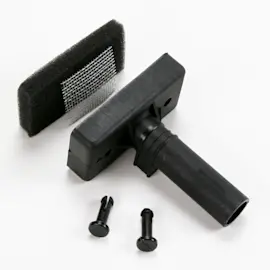
- Restricted intake airflow from a dirty/clogged air filter
- Air leaks at fittings, drain valve, regulator, or check valve connections
- Moisture and corrosion from not draining the tank regularly
- Electrical problems such as a failing pressure switch, capacitor, or loose wiring
- Pump wear (reed valves, piston seal, cylinder wear) that reduces compression
Quick checks that prevent most breakdowns
- Unplug the compressor; let it cool fully.
- Inspect and clean the intake area and cooling surfaces; keep vents clear.
- Drain the tank after use to remove water.
- Listen for hissing; use soapy water on fittings to spot leaks.
- If it struggles to start or trips a breaker, troubleshoot the start circuit and pressure switch.
Symptom-to-cause cheat sheet
| What you notice | Most likely cause | What to do next |
|---|---|---|
| Won’t start | Pressure switch or electrical start issue | Follow air compressor won't start |
| Runs but won’t build pressure | Pump valve/seal wear or major leak | Follow air compressor won't build tank pressure |
| Tank loses pressure sitting | Leak at fittings or drain valve | Follow air compressor tank won't hold air |
| Safety valve pops | Overpressure or faulty valve/switch | Follow air compressor safety valve keeps popping open |
Why it matters
Heat, dirt, and moisture are the big three. When airflow is restricted or the tank stays wet inside, the compressor runs hotter and longer, which speeds up pump wear and increases the chance of switch, valve, and seal failures.
If you need to identify replacement parts by diagram for the Craftsman 919152810, start with the parts list for this model; for broader model-based part searches, use Sears PartsDirect.
Last updated: February 2026