Owner’s manual
 Error Codes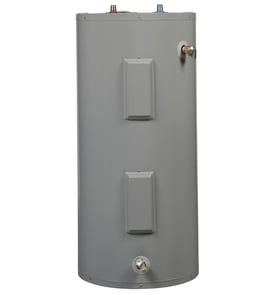



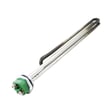
What is usually the most common water heater problem?
The most common water heater problem is a loss of hot water performance, usually caused by sediment buildup in the tank or a failed heating control part. On the Kenmore 153316754 Power Miser 6 electric water heater, the most frequent fix paths involve checking thermostat settings and testing the heating elements and thermostats.
Most common problems we see (and what they look like)
- Not enough hot water or no hot water: slow recovery, lukewarm water, or hot water runs out fast
- Water too hot: thermostat set too high or a thermostat sticking
- Strange popping or rumbling sounds: normal expansion noises or sediment heating on the bottom
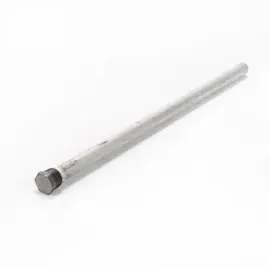
- Smelly “rotten egg” hot water: anode rod reaction with certain water conditions
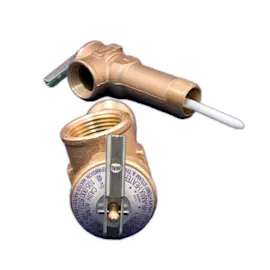
- Dripping from the temperature-pressure relief valve: often tied to thermal expansion in a closed plumbing system
Quick checks first (safe, high-impact)
Before replacing parts, we recommend these basics:
- Confirm the disconnect/breaker is ON and power is present.
- Verify both thermostats are set to the desired temperature (see the owner's manual).
- If you had very hot water and then none, reset the high temperature shutoff (ECO) per the manual.
- In cold weather, allow extra recovery time; incoming water is colder.
- Check for hot water leaks at faucets, pipes, or a running fixture.
Common part-related causes on this model
If the basics check out, these parts are the usual suspects:
| Symptom | Most likely cause | Part examples for model 153316754 |
|---|---|---|
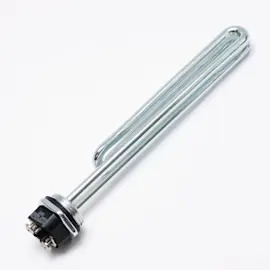
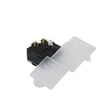
| No hot water or weak heating | Open/burned heating element | Element 100108346, element 100093526 |
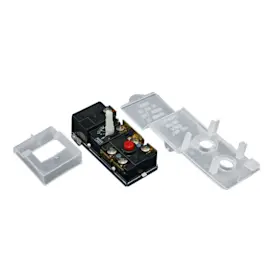
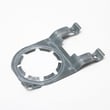
| Water temperature swings | Thermostat out of calibration or failing | Thermostat 100108683 |
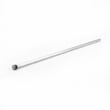
| Smelly hot water | Anode rod reaction | Anode rod 100108260 |
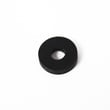
When you replace an element, we also recommend replacing the seal to prevent leaks: water heater heating element gasket 100108379.
Why it matters
Sediment, incorrect temperature regulation, and failing electrical parts reduce efficiency and can trigger nuisance shutoffs. Keeping temperature set appropriately also helps reduce scald risk, especially for children and older adults.
Ordering the right parts
We list model-matched replacement parts for Kenmore 153316754 on this page; you can also search by model number on Sears PartsDirect.
Last updated: February 2026
How to tell if an electric water heater element is bad?
A bad heating element in your Kenmore 153316754 electric water heater typically shows up as no hot water, not enough hot water, or a high-temperature shutoff that trips. The most reliable confirmation is an electrical test (power OFF) and a visual leak check around the element seal; see the owner's manual.
Common signs the element is failing
- Hot water runs out quickly or stays lukewarm (often a lower element issue)
- Breaker trips or fuses blow when the heater calls for heat
- You have to press the red RESET button (high limit) to restore heat
- Popping or sizzling sounds (heavy mineral scale on the element)
- Water or moisture at the element access area (gasket leak)
How we test an element (safe, accurate method)
- Turn OFF power at the breaker before removing any access panels (shock hazard).
- Remove the access panel and insulation to reach the thermostat and element.
- Disconnect the element wires.
- Use a multimeter:
- Resistance (ohms) test: Most residential elements read roughly 10 to 30 ohms depending on wattage.
- Continuity to ground test: Any continuity from an element screw terminal to the metal tank indicates a shorted element.
If the element reads open/infinite resistance or shows a short to ground, replace it.
Quick troubleshooting checks before replacing parts
- Confirm the tank is completely full of water before turning power back ON (running dry can damage an element).
- Check for loose wiring at the element and thermostat terminals.
- If the high limit trips, reset it once; if it trips again, correct the underlying cause (wiring, thermostat, or element).
- Inspect for leaks at the element seal; a leaking seal usually needs a new gasket.
Parts that commonly fix “no hot water” on this model
| Symptom | Most likely part to check | Example part for model 153316754 |
|---|---|---|
| Lukewarm or short hot water | Lower heating element | Element 100108346 or element 100093526 |
| Overheating or frequent reset | Upper thermostat/high limit area | Thermostat 100108683 |
| Moisture at element opening | Element seal | Water heater heating element gasket 100108379 |
Why it matters
A weak or grounded element can cause repeated breaker trips, slow recovery, and overheating. Catching it early helps protect wiring, thermostats, and the tank from damage.
For replacement parts for Kenmore 153316754, use the parts list for this model or search by model number on Sears PartsDirect.
Last updated: February 2026
What is the life expectancy of a Kenmore water heater?
Most Kenmore electric water heaters, including the Kenmore model 153316754 (Power Miser 6), typically last 8 to 12 years. Regular maintenance (flushing sediment, checking the anode rod, and verifying thermostat settings) helps you reach the upper end of that range; see the owner's manual.
What affects water heater lifespan most
- Water quality and sediment: Hard water accelerates scale buildup on the heating element.
- Anode rod condition: A worn anode rod speeds up tank corrosion.
- Operating temperature: Higher thermostat settings increase stress and scale.
- Usage patterns: Heavy daily demand cycles the elements and thermostats more often.
- Installation quality: Loose fittings and poor electrical connections create recurring issues.
Maintenance checklist (what we recommend)
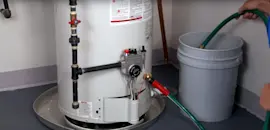
- Flush a few gallons from the drain valve periodically to reduce sediment.
- Inspect and replace the anode rod when it is heavily depleted.
- Check for moisture around access panels and plumbing connections.
- Confirm both thermostats are set consistently (many homes use about 120°F).
- If hot water is inconsistent, test the upper thermostat and elements before replacing parts.
Common parts that help restore performance
| Symptom | Likely area to check | Example part for model 153316754 |
|---|---|---|
| Not enough hot water | Heating element, thermostat | Element 100108346, thermostat 100108683 |
| Slow recovery | Element wattage and condition | Element 100093526 |
| Rumbling or popping | Sediment on element | Flush tank; inspect element and gasket |
| Leaks at element opening | Element seal | Water heater heating element gasket 100108379 |
Why it matters
Once a tank approaches the end of its typical service life, small issues (sediment, worn elements, a depleted anode rod) can turn into bigger problems like poor hot water recovery and higher energy use. Staying ahead of maintenance often extends usable life and reduces surprise breakdowns.
Ordering parts
We list model-specific replacement parts for 153316754 on this page; you can also search by model number on Sears PartsDirect if you are shopping for additional Kenmore water heater parts.
Last updated: February 2026
What are the signs of a failing water heater?
A failing Kenmore 153316754 electric water heater typically shows warning signs like leaking at the tank or fittings, rumbling or popping noises, inconsistent water temperature, rusty or smelly hot water, or repeated high-temperature shutoff trips. Use the owner's manual to match symptoms to safe checks and next steps.
Common warning signs to watch for
- Water on the floor or in the heater bottom pan area (can be condensation, loose connections, or a leak)
- Moisture at the heating element opening (often a gasket or element seal issue)
- Drips from the temperature-pressure relief valve discharge pipe (can relate to pressure or a valve that will not reseat)
- Rumbling, popping, or crackling sounds (commonly sediment heating and shifting)
- Not enough hot water or temperature swings (thermostat or heating element problems)
- Hot water smells like sulfur or looks rusty (tank or anode-related water quality issues)
Quick checks we recommend (safe, practical)
- Look for the leak source: element area, drain valve, relief valve discharge, or plumbing connections.
- If the unit has been unused for 2+ weeks, run hot water at a kitchen faucet for several minutes before using appliances; the manual warns hydrogen gas can be present.
- If hot water cuts out, check whether the high-temperature reset has tripped (the manual describes a red “RESET” button behind the access panel).
- If you suspect an element leak, plan to replace the seal when servicing the element; the manual notes repositioning or replacing the element gasket.
Parts that commonly solve the underlying problem
| Symptom | Common cause | Part to consider for model 153316754 |
|---|---|---|
| Lukewarm water, runs out fast | Failed heating element | Element 100108346 or element 100093526 |
| Temperature swings, overheating, frequent reset | Thermostat issue | Thermostat 100108683 |
| Seepage at element opening | Worn element seal | Water heater heating element gasket 100108379 |
| Rusty water, faster tank corrosion | Depleted anode rod | Anode rod 100108260 |
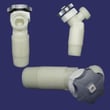
| Drip at drain valve | Worn or leaking drain valve | Drain 100108269 |
Why it matters
Catching these signs early helps prevent water damage, reduces energy waste from sediment buildup, and avoids unsafe conditions (electrical shock risk when servicing, and scald risk from overly hot water). For ordering the correct replacement parts by model number, we list parts for Kenmore 153316754 and you can also search by model on Sears PartsDirect.
Last updated: February 2026
How long can you shower with a 6 gallon water heater?
A 6-gallon tank only supports a short, continuous shower; most people get about 3 to 8 minutes before it turns lukewarm, depending on shower flow rate and how hot the tank is set. For safe temperature and operation guidance, use the 153316754 owner's manual.
Practical shower-time estimates (6-gallon tank)
These ranges assume a typical shower temperature mix (hot plus cold) and steady flow.
| Showerhead flow rate | Typical continuous shower time | What to expect |
|---|---|---|
| 1.5 GPM (low-flow) | 6 to 10 minutes | Best chance for a quick full shower |
| 2.0 GPM (standard) | 4 to 7 minutes | Short shower window |
| 2.5 GPM (high-flow) | 3 to 5 minutes | Hot water runs out fast |
What changes the time the most
- Showerhead flow rate (GPM)
- Thermostat setting (hotter stored water stretches usable minutes)
- Incoming cold-water temperature (winter water shortens time)
- Shower style (pausing water to soap up extends time)
- Heat loss in long pipe runs (point-of-use heaters do best close to the shower)
If your hot water runs out unusually fast
On a small electric tank, fast “lukewarm” complaints often trace to heating or control issues.
- Turn off power before opening any access panels
- Check for a tripped high-limit reset
- Test heating performance; a failed element can cut usable hot water sharply
- Verify thermostat operation and wiring connections
For Kenmore model 153316754, common service parts include the element 100108346 and thermostat 100108683. You can also search by model number on Sears PartsDirect.
Why it matters
A 6-gallon water heater is designed for point-of-use and short draws. Matching shower flow rate to tank size is the difference between a quick shower and running out mid-rinse.
Last updated: February 2026