 Installation guide
 Owner’s manual




What is the most common problem with a Frigidaire dishwasher?
The most common issue we see with Frigidaire dishwashers like model FFBD1821MW1B is poor wash results (dishes still dirty) caused by low water temperature, restricted water flow, or spray and filtration problems. Leaks and draining complaints are also frequent and usually trace back to seals, hoses, or the drain system.
Quick checks that fix the most complaints
- Run the kitchen hot water until it is fully hot before starting a cycle.
- Confirm incoming water temperature is 120°F to 150°F; 120°F minimum is needed for best wash performance.
- Make sure the dishwasher is level so the door seals evenly.
- Check that the drain line is not kinked and the disposer plug (if connected) is removed.
- Load so items do not block the wash arm rotation.
Common symptoms and the most likely causes
| Symptom | Most common cause | What to do first |
|---|---|---|
| Not cleaning well | Water not hot enough, spray blockage, loading issues | Verify 120°F minimum, clear spray paths, reload |
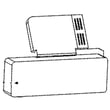
| Not filling | Water supply off, fill restriction, inlet valve issue | Confirm water is on; inspect dishwasher water inlet valve 5304482406 |
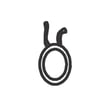
| Leaking | Door alignment, worn gasket, loose connections | Relevel; inspect electrolux dishwasher tub gasket 5304512895 |
| Not draining | Kinked drain hose, air gap/disposer blockage, drain pump issue | Check hose routing; inspect dishwasher drain pump 5304483444 |
Why it matters
Dishwashers depend on correct fill, heat, and circulation. If water is below 120°F or flow is restricted, detergent does not activate well and spray pressure drops, so soil stays on dishes. Drain restrictions can also leave dirty water in the tub and cause odors.
Model-specific notes for FFBD1821MW1B
Our installation guidance for this platform calls out two high-impact items: keep supply and drain lines from kinking and verify incoming hot water is 120°F to 150°F. For step-by-step checks (including a wet test that confirms filling, leaking, and draining), use the installation guide.
Last updated: February 2026
What to do when a Frigidaire dishwasher won't drain?
If your Frigidaire FFBD1821MW1B dishwasher will not drain, we focus first on the drain path setup and blockages: confirm the disposer drain plug is removed (if connected), make sure the drain hose is not kinked, and verify you have a proper high drain loop or air gap as shown in the installation guide.
Quick checks that fix most no-drain problems
- Turn off power at the breaker before handling wiring or pumps.
- Check the sink/disposer connection: remove the disposer drain plug if this is a new install.
- Inspect the drain hose under the sink and under the dishwasher for kinks or crushing.
- Confirm the drain hose is routed correctly: air gap when required, or a high drain loop fastened to the underside of the countertop.
- Run a short cycle and listen for the drain portion (typically a few minutes after the first fill).
Drain hose routing requirements (why it matters)
Improper drain height can cause siphoning or slow draining. For FFBD1821MW1B installations, the drain connection needs either an air gap (when required by code or when the waste tee/disposer connection is low) or a high drain loop fastened up under the countertop.
| Setup item | What to look for | What happens if it is wrong |
|---|---|---|
| Disposer connection | Disposer drain plug removed | Dishwasher will not drain at all |
| Drain hose | No kinks, not pinched under unit | Slow drain, no drain, intermittent drain |
| High drain loop / air gap | Loop up under countertop (or air gap when required) | Backflow, siphoning, standing water |
When a part is likely involved
If the hose routing is correct and the disposer plug is out, the next most common causes are a blocked or failed drain pump, or a restriction in the sump area.
- If you hear the pump hum but little or no water moves, the pump may be jammed or worn.
- If the dishwasher drains sometimes but not others, check for intermittent debris at the pump inlet.
- If the unit drains but leaves a lot of water behind, check for partial clogs and hose routing height.
A common replacement for a true pump failure is the dishwasher drain pump 5304483444.
Why this matters
A dishwasher that cannot drain will leave standing water that can cause odors, poor cleaning, and repeated cycle failures. Correct drain installation (air gap or high loop) prevents backflow and helps the drain pump move water efficiently.
Last updated: February 2026
How to get to drain pump on frigidaire dishwasher?
To access the drain pump on your Frigidaire FFBD1821MW1B dishwasher, we pull the dishwasher out from under the counter and tip it back to reach the pump on the bottom. Follow the safe slide-out steps in the installation guide to avoid damaging the door panel.
Before you start
- Turn off power at the breaker.
- Shut off the water supply under the sink.
- Remove the toe panel and kick plate for access.
- Put towels and a shallow pan under the front edge.
- Protect the floor with cardboard or a towel.
Access steps (typical for this model style)
- Back off the front leveling legs slightly so the unit clears the countertop.
- Slide the dishwasher out a few inches at a time (do not push on the door panel with your knee).
- As you move it, pull the drain hose through the sink-cabinet opening; keep it from kinking under the dishwasher.
- Once clear, tip the dishwasher back securely to expose the bottom.
- Find the drain pump on the sump area; disconnect the wire connector and hoses, then remove the pump.
Quick checks if it is not draining
- Drain hose kinked or pinched under the unit
- Air gap clogged (if your setup uses one)
- Disposer inlet plug still installed
- Debris in the sump/pump impeller area
Parts that commonly relate to drain-pump access
| What you are servicing | What it does | Example part |
|---|---|---|
| Drain pump | Pumps water out to the drain line | Dishwasher drain pump 5304483444 |
| Sump | Collects water and routes it to pumps | Electrolux dishwasher sump 5304512883 |
Why it matters
Sliding the FFBD1821MW1B out correctly prevents door-panel damage and helps you avoid pinching the drain hose or wiring, which can cause leaks or repeat drain problems.
Last updated: February 2026
How to reset error code on Frigidaire dishwasher?
On the Frigidaire FFBD1821MW1B dishwasher, you can clear many error codes by canceling the cycle (press and hold Start/Cancel for about 3 seconds) and, if needed, doing a power reset (breaker OFF for 5 to 10 minutes). If the code returns, correct the underlying fill, drain, or leak condition.
Quick reset steps (in order)
- Press and hold Start/Cancel for about 3 seconds to cancel the cycle.
- Wait 1 minute, then try starting a new cycle.
- If the code stays on: turn the breaker OFF (or unplug, if equipped) for 5 to 10 minutes, then restore power.
- Start a cycle and confirm you hear filling, then later draining.
If the code comes back, check the cause
A reset clears the display, but the control will re-trigger the code when the problem is still present.
- Not filling: confirm the shutoff valve is open; check for a kinked supply line; consider a failed dishwasher water inlet valve 5304482406.
- Not draining: check for a kinked drain hose, a clogged air gap (if used), or a disposer plug that was never removed; a weak dishwasher drain pump 5304483444 can also cause drain issues.
- Leaks: check under the unit and around the door; inspect the door seal and tub sealing surfaces; replace the electrolux dishwasher tub gasket 5304512895 if it is torn or deformed.
Installation checks that prevent repeat errors
The FFBD1821MW1B installation steps emphasize two basics that affect leak and performance-related codes:
| Install item | What to verify | Why it matters |
|---|---|---|
| Leveling | Unit is level side-to-side and front-to-back | Helps door seal correctly and improves wash performance |
| Wet test | Water enters, no leaks, and it drains early in the cycle | Confirms plumbing and drain routing are correct |
Why it matters
Error codes are the dishwasher’s way of stopping operation when it detects no water, poor draining, or a leak. Resetting helps after a temporary glitch; fixing the root cause prevents repeat shutdowns.
For model-specific setup and wet-test steps, use the installation guide.
Last updated: February 2026





