 Owner’s manual




What are WM3570HVA common problems?
For the LG WM3570HVA washer, the most common problems we see are leaking, not filling, and overfilling (won’t stop filling). These symptoms usually trace back to the water inlet valves, door boot and clamps, drain hoses, or the door lock system; start with the checks in the WM3570HVA owner's manual.
Most common symptoms and what typically causes them
- Leaking: door boot (gasket) damage, loose boot clamp, dispenser hose leak, tub-to-pump hose seepage
- Will not fill with water: closed supply valves, clogged inlet screens, failed inlet valve, control not sensing water flow
- Will not stop filling with water: stuck inlet valve, siphoning from an improperly installed drain hose, pressure sensing issue
- Door won’t lock or cycle won’t start: failed door lock or worn strike
- No spin or stops mid-cycle: load imbalance, drain restriction, motor sensing issue
Quick checks we recommend first (fast, no parts)
- Confirm both hot and cold supply valves are fully open.
- Inspect inlet hose screens for sediment; clean if restricted.
- Verify the drain hose is not shoved too far down the standpipe (helps prevent siphoning and overfill behavior).
- Check the door boot area for tears, pinholes, or debris on the sealing lip.
- Run a rinse and spin cycle empty to see when the symptom starts (fill, tumble, drain, or spin).
Parts that commonly fix these symptoms on WM3570HVA
| Symptom | Common part to inspect | What it does |
|---|---|---|
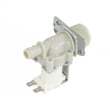
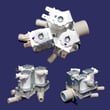
| Won’t fill / fills slowly | LG washer single-solenoid water inlet valve 5220FR2006H | Opens to let water into the dispenser/tub |
| Won’t stop filling | Washer water inlet valve assembly 5221ER1003A | Controls water flow; can stick open when failing |
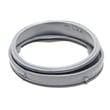
| Leaks at door | Washer door boot by LG MDS47123605 | Seals the door opening to prevent water leaks |
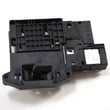
| Door won’t lock | LG washer door lock EBF61315802 | Locks the door so the cycle can run safely |
Why it matters
Catching a small leak, slow fill, or overfill early helps prevent water damage, repeated error codes, and strain on the drain pump and drive system. It also keeps cycle times and cleaning performance consistent.
For error-code driven issues, we use the LG front load washer error codes list to match the code to the most likely cause and repair path.
Last updated: February 2026
What is the average lifespan of an LG washing machine?
Most LG washing machines, including the LG WM3570HVA, typically last 10 to 15 years. You will get the longest life by keeping the washer clean, avoiding chronic overloading, and fixing small issues (leaks, draining problems, door lock faults) before they strain the motor, pump, and tub.
Typical lifespan and what affects it
A washer’s service life is mostly driven by load size, detergent habits (HE detergent matters), water quality, and how quickly you address symptoms like vibration, slow draining, or error codes.
- Usage frequency: multiple loads daily shortens life faster than a few loads weekly
- Overloading: increases wear on suspension, bearings, and drive components
- Maintenance: routine tub cleaning and gasket care reduces odor, mold, and seal damage
- Water supply issues: sediment and low flow can stress inlet valves
- Early repairs: replacing a failing door lock or inlet valve prevents bigger failures
For model-specific care and cleaning steps, follow the WM3570HVA owner’s manual.
Quick “repair vs replace” rule of thumb
If the washer is within its typical lifespan and the problem is isolated (fill, lock, hose leak), repair is usually the practical first move.
| Washer age | What we usually recommend | Why |
|---|---|---|
| 0 to 5 years | Repair | Most failures are single-part and cost-effective |
| 6 to 10 years | Repair if the tub and motor are healthy | You can often extend life with targeted parts |
| 11 to 15 years | Compare repair cost to replacement | Multiple worn systems become more likely |
Parts that commonly impact longevity on front-load washers
These are examples of parts that, when they start failing, can shorten washer life if ignored:
- Water fill problems or slow fill: LG washer single-solenoid water inlet valve 5220FR2006H
- Door won’t lock or won’t start: LG washer door lock EBF61315802
- Leaks at the door opening or persistent odor: washer door boot by LG MDS47123605
Why it matters
A front-load washer like the LG WM3570HVA can run for years past the average when it stays balanced, drains correctly, and seals properly. Preventing chronic leaks, mold buildup, and repeated unbalanced spinning protects high-cost assemblies like the tub and drive motor.
Last updated: February 2026
What type of washer is WM3570HVA?
The LG WM3570HVA is a front-load, high-efficiency (HE) washer. It uses a horizontal-axis wash system that tumbles clothes through a small amount of water, which helps reduce water use and improves spin-out compared to many top-load designs; see the WM3570HVA owner's manual for cycle and feature details.
How to identify it quickly
- The door is on the front, and the drum rotates on a horizontal axis.
- It uses HE detergent (regular detergent can cause oversudsing).
- It typically has higher spin speeds to remove more water from laundry.
- It commonly includes a drain pump filter and a door boot (gasket) around the opening.
What “high-efficiency” means for daily use
Using the right settings and products prevents common issues like poor rinsing, odor, and long cycle times.
- Use HE detergent only and measure carefully.
- Avoid overloading; leave room for tumbling.
- Run a monthly tub-clean cycle (or hottest cycle) to reduce residue.
- Wipe the door boot dry after use to help prevent mildew.
Common front-load washer parts you may see referenced
These parts are typical on front-load washers like the WM3570HVA and relate to filling and door locking.
| Part | What it does | When it’s commonly suspected |
|---|---|---|
| Water inlet valve | Controls water entering the washer | Won’t fill, fills slowly, or overfills |
| Door lock | Locks the door during operation | Door won’t lock, won’t start, or stops mid-cycle |
| Door boot (gasket) | Seals the door opening | Leaks at the front, odor, visible tears |
Why it matters
Washer type affects detergent choice, loading habits, and troubleshooting. For example, front-load HE washers are more sensitive to oversudsing and door-seal moisture, so correct detergent dosing and basic maintenance prevent many performance problems.
Last updated: February 2026


