Owner’s manual
 Error Codes





What is the average lifespan of an LG washer?
Most LG washers, including the LG WT7100CW, typically last 10 to 15 years with normal home use. Consistent maintenance (especially monthly tub cleaning and keeping water hoses in good shape) is what most often determines whether you land closer to 10 years or closer to 15.
What affects lifespan the most
- Load habits: Avoid chronic overloading; it strains the drive system and suspension.
- Monthly cleaning: Run the Tub Clean cycle monthly and leave the lid open after loads to help prevent odor and residue buildup.
- Hard water scale: Mineral buildup shortens component life; periodic descaling and a water softener help in hard-water areas.
- Water hoses and pressure: Replace inlet hoses about every 5 years and keep supply pressure in the recommended range.
- Fast fixes: Address leaks, draining issues, or out-of-balance shaking early to prevent secondary damage.
Maintenance schedule we recommend (simple and realistic)
| Task | How often | Why it helps |
|---|---|---|
| Run Tub Clean (empty tub) | Monthly | Reduces residue, odor, and buildup |
| Leave lid open after washing | Most loads | Helps the tub dry and stay fresher |
| Check inlet hoses for wear/leaks | Monthly quick check | Prevents flooding and valve damage |
| Replace inlet hoses | Every 5 years | Reduces burst-hose risk |
| Descale (hard water areas) | Periodically | Helps protect internal components |
Why it matters
A washer rarely “dies all at once.” Most early failures start as small issues (mineral scale, chronic imbalance, restricted water flow, or neglected cleaning) that increase wear on parts like the suspension, inlet valve, and lid lock.
Helpful model-specific resources
For the exact Tub Clean steps, cleaning guidance, and water-supply recommendations for this washer, use the WT7100CW owner's manual.
Last updated: February 2026
What is the most common problem with LG washers?
The most common LG washer problems are drainage complaints (slow drain or no drain) and out-of-balance spinning that causes shaking or a UE-type condition. On the LG WT7100CW, these often trace back to load size, water supply restrictions, or normal drain-pump operation sounds described in the WT7100CW owner's manual.
Most common issues we see (and what they look like)
- Drainage problems: water left in the tub, long drain times, gurgling or humming during drain.
- Unbalanced loads: banging, walking, or repeated spin attempts.
- Filling problems: low or inconsistent fill, especially if inlet screens are clogged.
- Lid lock complaints: clicking as the lid locks and unlocks (often normal during operation).
- Water level confusion on HE washers: water may not cover clothes; that can be normal for high-efficiency wash action.
Quick checks you can do first
- Confirm water supply: make sure both hot and cold faucets are fully open.
- Inspect inlet hoses: straighten kinks; check for restrictions.
- Clean inlet screens: clogged inlet filters can cause poor filling.
- Fix balance issues: wash similar items together, avoid overloading, and redistribute bulky loads.
- Listen for normal sounds: humming or gurgling can simply be the drain pump operating.
Parts that commonly relate to these symptoms (WT7100CW)
| Symptom | Likely system | Example part for this model |
|---|---|---|
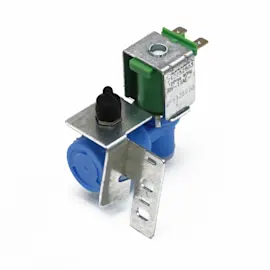
| Not filling or fills slowly | Water inlet | LG washer water inlet valve assembly AJU75152602 |
| Overfills, underfills, or level errors | Water level sensing | LG washer water-level pressure switch 6501EA1001R |
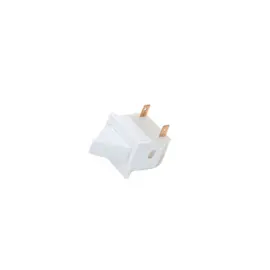
| Won’t start or stops mid-cycle | Lid lock circuit | Washer lid lock and switch assembly EBF61674802 |
Why it matters
Drain and balance issues can stop a cycle, leave clothes too wet, and increase wear on the suspension and drive system. Water-supply restrictions can also make an HE washer seem like it is “not filling,” even when the control is working as designed.
Last updated: February 2026
Why are LG parts so expensive?
LG parts for the LG WT7100CW washer often cost more because they are engineered to fit and perform precisely with the washer’s control system, motor, and water management design; pricing also reflects material quality, manufacturing tolerances, and the fact that some components are sold only as complete assemblies.
What drives the price on WT7100CW parts
- Assembly-level replacements: Many repairs require a full assembly (for example, a water inlet valve assembly) instead of a small internal piece.
- Tighter fit and performance specs: Parts that affect vibration, spin balance, and water level sensing must meet strict tolerances.
- Electronics and sensors: Control boards, user interfaces, and switches typically cost more than mechanical parts.
- Model-specific compatibility: A part that looks similar may not match the WT7100CW wiring, connectors, or calibration.
- Warranty and approved-part requirements: The manual notes that improper repair can include using parts not approved or specified by LG, which pushes many owners toward exact-match parts.
Examples: higher-cost vs lower-cost parts (typical)
| Part type | What it does | Typical price pattern | WT7100CW example |
|---|---|---|---|
| Electronic control | Runs cycles, monitors sensors | Higher | LG washer electronic control board (model-specific) |
| Water handling assembly | Controls fill and temperature mixing | Mid to higher | LG washer water inlet valve assembly AJU75152602 |
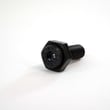
| Mechanical fastener/trim | Secures or caps a component | Lower | Washer washplate cap 5006EA3009B |
How we recommend saving money without risking a wrong part
- Confirm the full model number and revision using the WT7100CW owner's manual.
- Match by part ID and description, not by appearance.
- Replace only what failed when practical (for example, a hose vs a switch, if diagnostics point there).
- Check for installation issues first (restricted water supply, kinked drain hose, out-of-level cabinet).
- After a major repair, run the calibration procedure described in the manual.
Why it matters
Using the correct LG WT7100CW washer parts helps prevent repeat failures like leaks, fill errors, lid lock problems, and out-of-balance spinning; it also helps ensure the washer operates as designed after the repair.
Last updated: February 2026
How much does it cost to replace a rubber seal on an LG washing machine?
On the LG WT7100CW top-load washer, there is no front door gasket style “rubber seal” like a front-load washer uses. Costs depend on which leak source you mean: a hose or valve leak is usually a lower-cost repair, while an internal tub seal or bearing-related leak is a major teardown and costs much more.
What “rubber seal” usually means on a top-load LG washer
On a top-load design like WT7100CW, customers commonly use “rubber seal” to describe one of these:
- A leaking fill hose washer at the wall or at the inlet connection
- A leak at the water inlet valve assembly
- A leak at the drain hose connection
- A tub-to-pump hose or internal hose clamp leak
- An internal tub seal area (often shows as water from the center/bottom of the washer)
Typical cost ranges (parts and labor)
These are common service ranges for LG top-load washers; exact totals vary by labor rates and what’s leaking.
| Leak source (most common) | Typical total cost | Why it varies |
|---|---|---|
| External hose washer or hose replacement | $20 to $80 DIY; $120 to $250 service | Service call minimums and hose type |
| Water inlet valve replacement | $150 to $350 installed | Access time, diagnostics, part cost |
| Drain hose or internal hose/clamp leak | $150 to $400 installed | Disassembly level and hose routing |
| Internal tub seal or bearing-related leak | $400 to $900+ installed | Major teardown; sometimes not cost-effective |
How we recommend confirming the right repair on WT7100CW
Use these checks before pricing parts:
- Look for water at the back near the supply hoses and valve area
- Check the drain hose for cracks and the standpipe for overflow or siphoning
- Run a small fill and watch for drips before agitation starts
- If water appears under the center of the washer, plan for a deeper internal inspection
For operating and maintenance steps that prevent leaks (detergent amounts, cleaning, loading), use the WT7100CW owner’s manual.
Why it matters
Pricing a “rubber seal” without identifying the leak point often leads to the wrong part and a repeat service call. Pinpointing whether the leak is external (hose/valve) or internal (tub seal area) sets the right budget and repair plan.
Last updated: February 2026