 Error Codes




What are dishwasher arms called?
Dishwasher arms are called spray arms (sometimes called wash arms). In a GE dishwasher like model ZDT925SPN2SS, they spin and spray pressurized water through small jets to wash dishes on the upper and lower racks.
Common names you will see
- Spray arm (most common)
- Wash arm
- Upper spray arm (under the upper rack)
- Lower spray arm (at the bottom of the tub)
- Spray arm manifold (feeds water to an upper arm on some designs)
What spray arms do (and why they matter)
Spray arms create the cleaning action. If the jets clog or the arm stops spinning, you can get poor cleaning, gritty residue, or items that stay dirty on one rack.
Quick checks when cleaning is weak
- Make sure the spray arm can spin freely (no tall pans blocking it).
- Clear food debris from the spray arm holes (use a toothpick or soft brush).
- Confirm the filter area and sump are clean so water flow stays strong.
- Check water temperature at the sink; most dishwashers clean best with hot water.
- If only the top rack is dirty, inspect the upper feed path and related components.
Related parts that can affect spray performance
If water pressure or distribution is inconsistent, these parts are commonly involved:
| Symptom | Common area to inspect | Example part for this model |
|---|---|---|
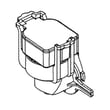
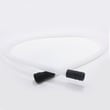
| Poor cleaning on upper rack | Upper distribution path | Dishwasher upper spray arm manifold WD12X34182 |
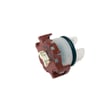
| Weak spray, odd fill behavior | Water level sensing | GE dishwasher pressure sensor WD21X25468 |
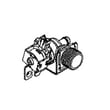
| Not enough water entering | Fill system | Dishwasher water inlet valve WD15X26078 |
Why it matters
A dishwasher can run “normally” but still clean poorly if the spray arms are not getting enough water flow or cannot rotate. Restoring spray action is usually the fastest path to better wash results.
Last updated: February 2026
What is the average lifespan of a GE dishwasher?
A GE dishwasher typically lasts 10 to 12 years with normal household use and basic maintenance. For your GE ZDT925SPN2SS, keeping water flowing correctly, preventing leaks, and addressing error codes early are the biggest factors that help it reach (or exceed) that average.
Typical lifespan range (what to expect)
Most dishwashers fall into a predictable range based on usage and care:
- Typical average: 10 to 12 years
- Common overall range: 8 to 15 years
- Heavy use (multiple loads daily): often closer to the lower end
- Light use + good maintenance: often closer to the higher end
| Usage pattern | What we usually see | What helps most |
|---|---|---|
| Light (few loads/week) | 12 to 15 years | Cleaning, leak prevention |
| Normal (daily) | 10 to 12 years | Fixing small issues early |
| Heavy (2+ loads/day) | 8 to 10 years | Protecting pumps, valves, seals |
Maintenance that extends life
These steps reduce wear on key systems like the wash pump, drain pump, and door seals:
- Clean the filter area and remove debris that can restrict circulation
- Run a dishwasher cleaner periodically to reduce grease and mineral buildup
- Check for slow filling or weak spray (often tied to water supply issues)
- Watch for small leaks at the door and tub edge and correct them early
- Avoid overloading; blocked spray arms can strain the wash system
Parts that commonly affect longevity
When performance drops, these are frequent wear or failure points on many GE dishwashers:
- Filling problems: Dishwasher water inlet valve WD15X26078
- Drain problems: Dishwasher drain pump WD19X25622 or dishwasher drain hose WD24X10062
- Door sealing/leaks: Dishwasher tub gasket WD08X23477
- Not starting or stopping mid-cycle: GE dishwasher door latch lock WD21X10490
Why it matters
A dishwasher near the 10 to 12 year mark can still be a great candidate for repair if the tub is in good shape and the issue is isolated (like a valve, latch, or drain component). Catching symptoms early helps prevent secondary damage and keeps cycle performance consistent.
Helpful troubleshooting resource
If your ZDT925SPN2SS is showing a code or acting erratically, use GE electronic dishwasher error codes to match the symptom to the most likely cause.
Last updated: February 2026
What is the most common problem with GE dishwashers?
The most common problems we see on GE dishwashers like model ZDT925SPN2SS are not draining, not starting, and leaking. In many cases, the fix is a simple cleaning or a quick check of the door latch and drain path before replacing parts.
Most common symptoms and what they usually point to
- Water left in the bottom: clogged drain path, drain hose restriction, or a failing drain pump
- Won’t start or stops mid-cycle: door not latching, control issue, or a blown control fuse
- Leaking at the door: tub gasket wear, door not closing squarely, or over-sudsing
- Poor cleaning: spray arm/manifold blockage, low fill, or sump issues
- Odd fill or wash behavior: pressure sensing or inlet problems
Quick checks we recommend first (no parts yet)
- Reset power: turn the breaker off for 1 minute, then back on.
- Confirm the door fully latches: push the door closed firmly and try starting again.
- Check for a drain restriction: look for kinks or clogs in the drain line and sink/disposer connection.
- Clean the wash system basics: remove debris from the sump area and rinse any accessible screens.
- Run a cleaning cycle: buildup can cause poor wash and drain performance (see how to clean and maintain your dishwasher).
Common part fixes for ZDT925SPN2SS
If the quick checks don’t solve it, these are frequent repair paths on this GE platform:
| Problem | Common culprit | Example part for this model |
|---|---|---|
| Not draining | Drain pump failure or blockage | Dishwasher drain pump WD19X25622 |
| Won’t start | Door latch not engaging | GE dishwasher door latch lock WD21X10490 |
| Leaking at door | Worn door/tub seal | Dishwasher tub gasket WD08X23477 |
| Not filling or fills slowly | Water inlet valve issue | Dishwasher water inlet valve WD15X26078 |
| Strange wash levels | Pressure sensing problem | GE dishwasher pressure sensor WD21X25468 |
Why it matters
Drain, latch, and leak issues can trigger cycle interruptions, standing water, odors, and even repeated error conditions. Catching the root cause early helps protect the wash pump, control boards, and the stainless inner door from unnecessary stress.
For code-related troubleshooting, we use the GE-specific guides: GE electronic dishwasher error codes and GE dishwasher error codes.
Last updated: February 2026
What are the commonly replaced parts in a dishwasher?
In a GE dishwasher like model ZDT925SPN2SS, the most commonly replaced parts are the components that control filling, washing, draining, and door sealing. We most often see wear or failure in the door latch parts, water inlet valve, drain system parts, spray components, and electronic controls.
Commonly replaced dishwasher parts (and what they do)
- Door latch and strike: keeps the door locked so the unit can run safely; misalignment or wear can prevent starting.
- Water inlet valve: opens to let water into the tub; failure can cause no-fill or slow-fill.
- Drain pump and drain hose: pushes wastewater out; clogs or pump wear can cause standing water.
- Spray arm/manifold: distributes wash water; mineral buildup and debris reduce cleaning.
- Seals and gaskets: prevent leaks around the tub and door.
- Control boards and fuses: manage cycles and power distribution; failures can cause dead unit or erratic operation.
Model ZDT925SPN2SS parts we see replaced often
Here are examples of common replacements available for this model:
| Symptom | Likely part to check | Example part for ZDT925SPN2SS |
|---|---|---|
| Won’t start or stops when door moves | Door latch/strike | GE dishwasher door latch lock WD21X10490, dishwasher door latch strike WD13X10071 |
| Not filling or fills slowly | Water inlet valve | Dishwasher water inlet valve WD15X26078 |
| Not draining | Drain pump or drain hose | Dishwasher drain pump WD19X25622, dishwasher drain hose WD24X10062 |
| Poor cleaning | Spray system or wash system issue | Dishwasher upper spray arm manifold WD12X34182 |
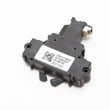
| Dead/no response | Fuse or control issue | Dishwasher control board fuse WD21X25696 |
Quick checks before replacing parts
- Clean the filter area and remove debris from the sump.
- Confirm the water supply valve under the sink is fully open.
- Check for a kinked drain hose and a clogged sink/disposer connection.
- Make sure the door closes firmly and the strike lines up with the latch.
- Run hot water at the sink before starting a cycle to improve wash performance.
Why it matters
Replacing the right part first saves time and prevents repeat failures. Many “bad part” symptoms are caused by clogs, misalignment, or restricted water flow, especially in the drain path and spray system.
For fault lights or beeping patterns, we use GE’s diagnostics to narrow it down quickly; see GE electronic dishwasher error codes.
Last updated: February 2026





