Owner’s manual
 Error Codes


What are the main 5 parts of a refrigerator?
The main five parts of a refrigerator are the compressor, condenser, evaporator, expansion device, and a temperature-sensing control (thermostat or thermistor). In your Kenmore side-by-side refrigerator model 10658919801, these parts work together to move heat out of the cabinet and keep stable food-safe temperatures (see the owner's manual).
The “big 5” and what each one does
- Compressor: pumps refrigerant through the sealed system; it is the starting point for cooling.
- Condenser: releases heat to the room air after the refrigerant is compressed.
- Evaporator: absorbs heat from inside the freezer and refrigerator sections.
- Expansion device (capillary tube/valve): drops refrigerant pressure so it can cool rapidly in the evaporator.
- Temperature control (thermostat/thermistor and control board): senses temperature and cycles cooling to maintain the set point.
Related parts customers often confuse with the “main 5”
These are important, but they support the cooling system rather than replace it:
- Evaporator fan: moves cold air through vents; blocked vents can cause temperature and moisture problems.
- Defrost system: prevents frost buildup that can choke airflow.
- Door gasket: keeps warm, humid air from leaking in.
- Water/ice system: dispenser and ice maker components.
| System area | Main job | Common symptom when it fails |
|---|---|---|
| Sealed system (compressor, condenser, evaporator, expansion device) | Moves heat out of the refrigerator | Warm fridge/freezer, long run times, unusual cooling performance |
| Airflow and defrost | Distributes cold air and prevents frost blockage | Warm refrigerator section, frost on back wall, uneven temps |
| Door sealing | Keeps outside air out | Condensation, frost, temperature swings |
Why it matters
When a refrigerator is not cooling, we separate problems into heat transfer (sealed system) versus airflow/defrost/door sealing. Your model’s manual emphasizes keeping vents clear so air can circulate between sections; blocked vents can mimic a major cooling failure.
Helpful model-specific references and parts
- For control settings, airflow guidance, and normal operating sounds, use the owner's manual.
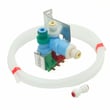
- If you are troubleshooting water and ice performance, common replacement items for this model include the refrigerator inlet valve W10408179 and the refrigerator ice maker 2198597.
Last updated: February 2026
Where is the model number on a Kenmore side by side refrigerator?
On Kenmore model 10658919801, the model number is printed on the refrigerator’s identification label (the same label that lists the serial number). You typically find this label inside the fresh food compartment on a side wall or near the ceiling; confirm the exact location in the 10658919801 owner's manual.
Where to look first (fast checks)
- Open the refrigerator (fresh food) door and check the left and right interior side walls.
- Look near the top front of the compartment (close to the control area).
- Check behind the crisper drawers area if you do not see it up top.
- If your unit has a dispenser, also check the door frame area when the door is open.
What the label looks like and what to copy
The ID label usually includes both the model and serial information. Write down:
- Model number (for example: 10658919801)
- Serial number (used to identify production details)
- Electrical ratings (volts/amps), if listed
Model vs. serial number (quick guide)
| Item | What it’s used for | Example format |
|---|---|---|
| Model number | Matching parts and diagrams to your exact refrigerator | 10658919801 |
| Serial number | Identifying the specific unit and production run | Letters plus numbers |
Why it matters
Using the correct model number prevents ordering the wrong part for your side-by-side refrigerator. Even small design changes can affect fit for items like the water filter, ice maker, or inlet valve. If you are ordering parts, start with the parts list for this model, or search by model on Sears PartsDirect.
Last updated: February 2026
What are the most common problems with Kenmore refrigerators?
The most common issues we see on Kenmore refrigerators like model 10658919801 are cooling problems (often airflow or defrost related), water leaks, ice maker or dispenser failures, and unusual noises. Many of these start with simple maintenance checks and a few high-wear parts.
Most common symptoms and what usually causes them
- Not cooling or warm temperatures: dirty condenser coils, evaporator fan problems, defrost system failure (ice buildup)
- Water leaking or puddles: clogged defrost drain, cracked water tubing, loose fittings
- Ice maker not making ice: restricted water supply, failed inlet valve, failed ice maker module
- Water dispenser slow or not dispensing: clogged water filter, frozen water line, weak inlet valve
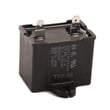
- Noises (buzzing, clicking, rattling): fan blade hitting ice, failing fan motor, compressor start components
Quick checks we recommend first (before replacing parts)
- Set controls to normal and give temperature changes 24 hours to stabilize.
- Clean condenser coils and confirm the condenser fan area is clear.
- Check freezer for heavy frost on the back panel (points to a defrost issue).
- Inspect door gaskets for gaps, tears, or areas not sealing.
- If water tastes warm, discard the first glass and allow time for the water supply to cool (the manual notes water temperature can vary with recent use).
Parts that commonly solve these problems on model 10658919801
| Problem area | Common fix | Example part for this model |
|---|---|---|
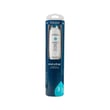
| Water and ice issues | Replace clogged filter | Genuine Kenmore refrigerator water filter EDR3RXD1 |
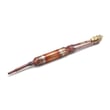
| Ice maker not working | Replace ice maker assembly | Refrigerator ice maker 2198597 |
| No water to dispenser/ice maker | Replace inlet valve | Refrigerator inlet valve W10408179 |
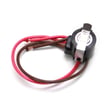
| Frost buildup, warm freezer | Repair defrost system | Refrigerator defrost heater WP2323198 and refrigerator bi-metal thermostat WPW10225581 |
| Warm fridge, noisy freezer | Repair evaporator airflow | Refrigerator evaporator fan motor WP2315549 or refrigerator evaporator fan blade WP2169142 |
Why it matters
Cooling, ice, and water problems often share the same root causes: restricted airflow, restricted water flow, or a defrost failure. Catching issues early helps prevent food spoilage, ice jams, and water damage.
Helpful model-specific resources
- Use the troubleshooting section in the 10658919801 owner's manual to match your symptom to the right checks.
- For filter selection and replacement steps, follow how to replace the water filter in a Kenmore refrigerator.
- To order parts shown above or search by model number, use the parts list for 10658919801 or visit Sears PartsDirect.
Last updated: February 2026
How to clean the coils on a Kenmore side by side refrigerator?
To clean the condenser coils on your Kenmore side-by-side refrigerator model 10658919801, we recommend unplugging the refrigerator, pulling it straight out to protect the floor, and removing dust from the coil area with a coil brush and vacuum so the unit can cool efficiently.
Step-by-step: cleaning the coils safely
- Unplug the refrigerator (or disconnect power at the breaker).
- Pull the refrigerator straight out (do not “walk” it) to avoid floor damage.
- Remove the base grille if your coils are behind it (many side-by-side models place coils and the condenser fan area at the bottom).
- Use a coil-cleaning brush to loosen dust and pet hair.
- Vacuum the loosened debris; use a crevice tool around the condenser fan area.
- Reinstall the base grille, push the refrigerator back into place, and restore power.
What to use (and what to avoid)
Use nonflammable, non-abrasive cleaning methods to protect finishes and plastic parts.
| Task | Best tool | Avoid |
|---|---|---|
| Loosen packed dust | Coil brush | Abrasive pads |
| Remove debris | Vacuum with crevice tool | Blowing dust deeper with high-pressure air |
| Wipe nearby surfaces | Soft cloth with mild detergent | Flammable fluids, harsh cleaners |
How often should we clean refrigerator coils?
- Every 6 months in most homes
- Every 3 months if you have pets, heavy dust, or the refrigerator sits near a busy kitchen traffic area
- Any time you notice warmer temps, longer run times, or the cabinet feels unusually hot on the sides
Why it matters
Dirty condenser coils make the compressor work harder, which can cause warmer refrigerator temperatures, reduced ice production, and higher energy use. Keeping the coil area clean helps your Kenmore 10658919801 maintain stable cooling and airflow.
Helpful references for your model
- Coil access, base grille removal, and safe moving guidance are covered in the 10658919801 owner's manual.
Ordering parts and maintenance items
If you find a damaged filter cap or you are doing routine water system maintenance while servicing the refrigerator, you can order model-matched parts from the parts list for 10658919801, or search by model on Sears PartsDirect.
Last updated: February 2026
How many cubic feet is my Kenmore refrigerator by model number?
Your Kenmore side-by-side refrigerator model 10658919801 has its exact cubic-foot capacity listed in the specifications section of the owner's manual. The most reliable on-appliance confirmation is the model and serial rating label inside the fresh food compartment.
Fast ways to find the cubic feet (capacity)
- Check the rating label inside the refrigerator section (usually on a side wall near the crisper area).
- Look up the specifications for model 10658919801 in the owner's manual.
- If you are measuring for fit, use the cabinet dimensions from the manual rather than estimating capacity.
- If you are troubleshooting cooling or ice production, capacity is less important than airflow, temperature settings, and filter condition.
What “cubic feet” means (and why it can be confusing)
Cubic feet is the refrigerator’s interior storage volume. It is not the same as exterior width, height, or depth, and it can vary based on shelf design, ice maker space, and door bin layout.
Why it matters
- Kitchen planning: helps compare storage space between models.
- Performance expectations: larger interiors typically need more time to stabilize after door openings.
- Parts and accessories: capacity does not identify parts; the model number does.
Capacity lookup vs. measuring: which should you use?
| Goal | Best method | Why |
|---|---|---|
| Find official cubic feet | Owner's manual | Uses the manufacturer’s published spec |
| Confirm you have the right model | Rating label inside fridge | Matches the exact model/serial |
| Check if it will fit a space | Manual dimensions | Exterior size is what matters |
Related tip for this model
If you are checking capacity because the refrigerator seems “full” or airflow feels weak, make sure vents are not blocked and keep the water system maintained. For water and ice performance, replacing the filter on schedule helps; this model uses a base grille style filter such as the genuine Kenmore refrigerator water filter EDR3RXD1.
Last updated: February 2026