
How to reset air compressor pressure switch?
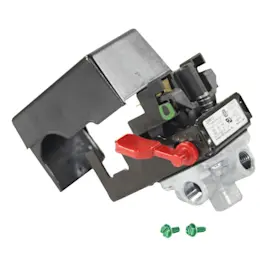
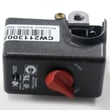
On the Campbell Hausfeld WL611701 air compressor, a “reset” usually means clearing a tripped motor overload or returning the pressure switch to normal operation after a safety trip. We reset it by shutting power off, bleeding tank pressure down, then using the switch’s manual reset (if equipped) and confirming the compressor cycles normally.
Safe reset steps (do these in order)
- Turn the compressor OFF and unplug it.
- Open the tank drain or outlet valve and bleed air until tank pressure is low (near 0 PSI is safest for service).
- Let the motor cool 10 to 20 minutes if it recently stopped under load.
- Check for a manual reset button/lever on the pressure switch or motor overload; press it once.
- Plug in and turn ON; confirm it cuts in and cuts out normally.
If it still will not restart
Most “won’t restart” complaints are caused by power supply issues, a stuck/unloader problem, or a failing pressure switch.
| What you notice | Most likely cause | What we do next |
|---|---|---|
| Hums, then trips | Low voltage, bad capacitor, tight pump | Verify outlet/circuit, reduce extension cord use, inspect pump |
| Trips at higher pressure | Unloader not venting head pressure | Listen for a short “psst” at shutoff; inspect unloader line |
| Runs past normal shutoff | Pressure switch contacts stuck | Replace the pressure switch |
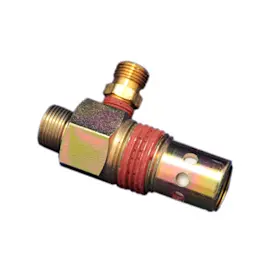
| Starts only with empty tank | Check valve leaking back | Inspect/replace tank check valve |
Pressure switch adjustment (only if you are trained)
We do not recommend adjusting cut-in/cut-out unless you understand compressor ratings. Incorrect settings can cause constant running, nuisance trips, or unsafe pressures.
- The large spring/nut typically changes both cut-in and cut-out together.
- The small spring/nut (if present) typically changes the differential (spread).
- Make small changes, then test a full cycle.
Why it matters
A proper reset protects the motor and pump. If the switch is tripping repeatedly, the compressor is telling you there is an overload condition (electrical, mechanical, or pressure control) that needs correction.
For electrical checks like verifying power at the switch or motor, we use the steps in how to use a multimeter to test electrical parts video.
Last updated: February 2026
How to tell if an air compressor regulator is bad?
A bad regulator on your Campbell Hausfeld WL611701 air compressor shows up as unstable outlet pressure: it will not hold the PSI you set, it creeps higher with no airflow, or it drops too far when you use a tool. Hissing at the knob, body, or gauge threads is also common.
Quick symptoms checklist
- Outlet PSI slowly rises by itself (pressure creep)
- Outlet PSI drops hard when you pull the trigger (pressure droop)
- Gauge needle hunts up and down instead of stabilizing
- Constant hissing from the regulator area
- Turning the knob does not change outlet pressure
- Outlet pressure is stuck near tank pressure or near zero
Simple tests we use
- Fill the tank until the compressor shuts off.
- Set the regulator to a normal working range (many air tools run around 70 to 90 PSI).
- With no air flowing, watch the outlet gauge for 3 to 5 minutes; it should stay steady.
- Run a blow gun or tool continuously; outlet PSI should drop some, then stabilize.
- Spray soapy water on regulator fittings and gauge threads; bubbles confirm a leak.
What the results usually mean
| What you see | Likely cause | Next step |
|---|---|---|
| PSI creeps up with no flow | Dirt in seat, worn diaphragm/seals | Clean debris; replace regulator if creep returns |
| Big drop under use | Restriction or internal wear | Check hose/couplers first; replace regulator if they are OK |
| Hissing at body/threads | Loose fitting, bad seal, cracked body | Reseat and seal threads; replace if cracked |
Why it matters
Stable regulated pressure protects air tools, reduces wasted air, and helps you separate a regulator problem from leaks or low pump output.
If you need to verify a gauge, switch, or wiring issue while troubleshooting, use how to use a multimeter to test electrical parts video.
Last updated: February 2026
What is the longest lasting air compressor?
Industrial-duty rotary screw air compressors last the longest; in real-world shop use they commonly run 10 to 20+ years with scheduled maintenance. For a homeowner-style unit like the Campbell Hausfeld WL611701, longest life comes from reducing heat and moisture, preventing short-cycling, and keeping the intake path clean (it is an oil-free design, so there are no oil changes).
What to buy if “longest lasting” is the goal
For maximum lifespan, we look for compressor types built for continuous duty and lower wear.
- Rotary screw: best for all-day operation and high hours
- Rotary vane: also long-life in steady-duty environments
- Two-stage reciprocating (piston): excellent durability for intermittent shop use
- Cast-iron pump (vs. aluminum): typically wears slower and handles heat better
- Lower RPM pump: usually runs cooler and lasts longer
Lifespan drivers (quick comparison)
| Factor | Longer-lasting choice | Why it helps |
|---|---|---|
| Duty cycle | Continuous-duty rated | Less overheating and wear from overwork |
| Pump design | Rotary screw or low-RPM piston | Lower friction and heat over time |
| Moisture control | Frequent tank draining | Reduces internal tank rust |
| Air quality | Clean intake filtration | Prevents abrasive dust damage |
How to make a WL611701 last longer
This model is oil-free, so focus on airflow, electrical supply, and moisture control.
- Drain tank moisture after use (water causes internal rust)
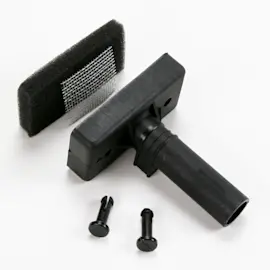
- Keep the intake area clean; replace/clean the intake filter if equipped
- Fix hose and fitting leaks to prevent constant restarting
- Avoid running past the rated duty cycle; let it cool between long fills
- Use a properly sized extension cord and circuit to prevent low-voltage motor strain
- Keep vents and cooling surfaces clear so the motor and pump run cooler
Why it matters
“Longest lasting” is mostly about heat, moisture, and run time. A compressor that runs cooler, stays dry inside the tank, and avoids constant cycling delivers more years of service, regardless of brand.
For general repair readiness and the tools we rely on for diagnostics, see must have tools for appliance repair.
Last updated: February 2026
Does my Campbell Hausfeld compressor need oil?
No. The Campbell Hausfeld WL611701 is an oil-free, direct-drive air compressor, so you do not add, check, or change pump oil. Routine care focuses on keeping the intake air filter clean, draining tank moisture, and using the correct power and duty cycle.
What to do instead of oiling
- Drain condensation from the tank after each use to reduce internal rust.
- Keep the intake air filter installed and clean so the pump can breathe.
- Use the compressor on a level, stable surface with good ventilation.
- Avoid long continuous run times; let the unit cool between cycles.
- Check fittings and hoses for leaks (listen for hissing, use soapy water).
Quick reference: oil-lubed vs oil-free
| Feature | Oil-lubricated compressor | Oil-free compressor (WL611701) |
|---|---|---|
| Pump oil required | Yes | No |
| Oil level checks | Yes | No |
| Typical maintenance focus | Oil changes, oil level | Filter, moisture drain, leak checks |
If you see “oil” around the unit
Oil-free compressors can still show residue that looks like oil. Use this checklist:
- From the air tool: some tools need a few drops of air tool oil in the tool inlet (not in the compressor).
- From the hose: residue can be water and dirt from the tank or line.
- From the pump area: a small amount of lubricant used during manufacturing can collect dust; wipe and monitor.
Why it matters
Adding motor oil or compressor oil to an oil-free pump can damage seals and contaminate air lines. Keeping the filter clean and draining the tank protects airflow performance and extends pump life.
For general DIY safety practices before servicing or inspecting wiring, use are diy appliance repairs safe.
Last updated: February 2026