


Where is the model number on a Craftsman tiller?
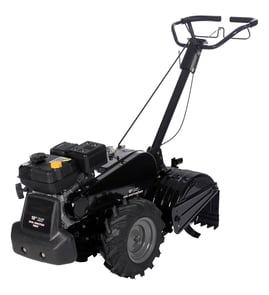
On a Craftsman tiller like model 917297520, the model number is printed on a product ID label (a sticker or metal tag). You’ll most often find it on the tine shield/tine guard area, near the engine, or on the front of the frame.
Look for a rectangular label with numbers and letters. On many Craftsman tillers, it’s located in one of these spots:
- On the tine guard (the shield over or near the tines)
- On the main frame rail near the engine mount
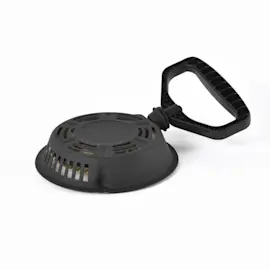
- Near the recoil starter or engine area (on the chassis, not the engine itself)
- On the front of the tiller frame (especially on larger frame styles)
- Near the handle support brackets
Use this quick process so you don’t miss it:
- Wipe dirt and oil off the frame and tine guard; labels get hidden by grime
- Check both sides of the tine guard and frame rails
- Use a flashlight and look for a reflective sticker or stamped plate
- Write down the full model number exactly as shown (for example, 917297520)
- If the label is damaged, look for any remaining digits and compare to your paperwork
| What you see | What it’s used for | Example |
|---|---|---|
| Tiller model number label | Ordering Craftsman tiller parts | 917297520 |
| Engine model/type/code | Engine-specific parts (carburetor, ignition, etc.) | Varies by engine |
We use the tiller model number to match the correct diagrams and parts list for your exact Craftsman 2-hp cultivator. That prevents ordering hardware that looks similar but fits differently (for example a tiller clevis pin 532443676 or a key 532002649).
Last updated: February 2026
What tiller is made in the USA?
Some tillers are made in the USA, but it varies by brand, model, and even by specific production run. For your Craftsman 917297520 2-hp cultivator, the most reliable way to confirm country of origin is to check the product data plate and any original packaging or paperwork; use our parts list to keep it running with the correct hardware such as the gripco nut 596322601.
These are commonly cited as USA-made (or USA-assembled) options in the market; always confirm on the exact model’s data plate:
- Mantis cultivators (some models)
- MacKissic Merry Tiller models
- Power Dog (Kuhns) commercial tillers
- Northwest Tillers farm-duty tillers
Use these quick checks on the actual machine, not just the brand name:
- Look for a data plate or sticker on the frame, handle support, or engine shroud
- Check for wording like “Made in USA” or “Assembled in USA” (they are not the same)
- Note the engine brand and model; engines and frames can be sourced from different countries
- Compare the model number and serial number to your purchase paperwork
- If you are replacing parts, match by model number (917297520) to avoid fit issues
Country of origin does not guarantee performance, but it can affect parts sourcing, fastener standards, and long-term serviceability. Keeping your Craftsman 917297520 maintained with correct pins, bolts, springs, and keys helps prevent handle looseness, tine-control issues, and linkage wear.
| What you notice | Likely area | Example part on this model |
|---|---|---|
| Handle or linkage feels loose | Fasteners and shoulder bolts | Shldr bolt (596434402) |
| Linkage won’t stay engaged | Pins and retainers | Tiller clevis pin (532443676) |
| Controls don’t return smoothly | Springs and retainers | Spring (583731801) |
Last updated: February 2026
What kind of engine is on a Craftsman tiller?
The Craftsman 917297520 is a 2-hp cultivator; it uses a small gasoline engine in the 2-horsepower class (typically a compact 2-cycle or 4-cycle design, depending on the exact engine build). For the most accurate match, we identify the engine by the model’s engine tag and then cross-reference the correct replacement hardware and drive parts.
Look for an engine identification label, then record the key fields before ordering parts.
- Check the engine shroud, recoil starter housing, or valve cover area for a tag
- Write down the engine manufacturer (commonly Tecumseh, Briggs and Stratton, or similar)
- Record the engine model, type, and code (or spec number)
- Note whether it is 2-cycle (oil mixed with fuel) or 4-cycle (separate crankcase oil)
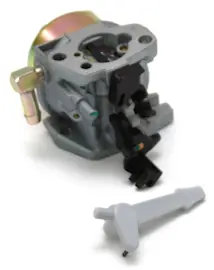
- If the tag is missing, compare carburetor, muffler, and air filter style to parts diagrams
Most 2-hp cultivators are built for light-to-medium soil work and use a compact engine with a simple recoil start and a centrifugal clutch or chain drive.
| Item | Typical for a 2-hp cultivator | Why it matters |
|---|---|---|
| Fuel system | Small tank, gravity feed | Helps diagnose no-start and surging |
| Starting | Recoil pull start | Points to starter rope and pawl wear |
| Drive | Chain drive or belt/chain combo | Affects tine engagement and noise |
| Engine type | 2-cycle or 4-cycle | Determines fuel and oil routine |
If you are servicing the tine engagement or linkage around the engine/drive area, these model-matched fasteners and linkage parts are commonly involved:
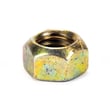
- Gripco nut 596322601 (fastener used on brackets and assemblies)
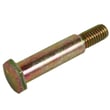
- Shldr bolt 596434402 (pivot-style bolt used where parts rotate)
- Tiller clevis pin 532443676 (linkage pin for controls or engagement)
Ordering the right tune-up or drive parts depends on the exact engine identification; the same Craftsman tiller model can be built with different engine variants over its production run, and the engine tag is the quickest way to match the correct components.
Last updated: February 2026
What size garden is ideal for a 7 hp tiller?
A 7 HP rear-tine tiller is ideal for medium to large gardens, especially when you need to break new ground or till compacted soil; most owners use a 7 HP class machine for roughly 1/4 acre up to about 1 acre depending on soil conditions and how often you till. Your Craftsman 917297520 is listed as a 2-HP cultivator, which is better suited to smaller beds and lighter soil.
Use this as a practical rule-of-thumb when choosing between a cultivator and a larger tiller.
| Machine type | Typical power | Ideal garden size | Best for |
|---|---|---|---|
| Cultivator (like Craftsman 917297520) | 2 to 3.5 HP | Up to ~2,500 sq ft | Mixing compost, maintaining existing beds |
| Front-tine tiller | 3.5 to 5.5 HP | ~2,500 to 10,000 sq ft | Regular seasonal tilling |
| Rear-tine tiller | 6 to 8+ HP | ~10,000 sq ft to ~1 acre | New ground, clay, heavy weeds |
A 7 HP tiller can handle a wide range, but these factors decide whether it feels “right-sized” or overworked:
- Soil type: clay and rocky soil reduce the practical garden size
- New ground vs. maintained beds: sod and virgin soil take far more power
- Tilling depth: deeper passes require more torque and time
- Tine width and gearing: wider tines cover more area per pass; lower gears help in tough soil
- Obstacles: roots, stones, and tight rows favor smaller machines
Matching tiller size to garden size saves time and prevents excessive vibration, belt wear, and hardware loosening. If your cultivator is shaking or parts are backing out, replacing worn fasteners can restore stability; common hardware items for this model include the gripco nut 596322601 and shldr bolt 596434402.
- If your garden is under ~2,500 sq ft and already worked each season, your 2-HP cultivator is typically the better fit.
- If you are routinely working over ~10,000 sq ft, breaking sod, or fighting clay, a 7 HP rear-tine tiller is the right class.
- For anything in between, a front-tine tiller often balances maneuverability and productivity.
Last updated: February 2026
Are Craftsman tillers any good?
Craftsman tillers, including the Craftsman 917297520 2-hp cultivator, are a solid choice for typical home-garden soil prep when they are maintained and adjusted correctly. Most owners like the digging power for the size; long-term satisfaction usually comes down to proper tine/drive adjustments and replacing worn hardware on time.
A 2-hp cultivator is best for garden beds, previously worked soil, and seasonal mixing of compost. It is less ideal for first-time breaking of hardpan, thick sod, or very rocky ground.
Typical strengths
- Easy to maneuver in tight rows and raised beds
- Good for mixing amendments into topsoil
- Straightforward mechanical design (common fasteners, springs, pins)
Common complaints we see across older tillers
- Hardware loosening from vibration
- Linkage wear that affects engagement and control feel
- Tines not behaving as expected when adjustments are off
These steps address the most common “it feels weak” or “it acts weird” complaints without guessing at model-specific specs.
- Tighten handle and tine fasteners before each use (vibration loosens nuts and bolts)
- Inspect the tine/drive linkage for play; replace worn pins and retainers
- Check for missing keys or loose hubs on rotating parts
- Look for stretched or damaged springs in control linkages
- Clean packed soil from tines and shields after use; buildup increases strain
If you are chasing vibration-related problems, these model-matched parts are often involved:
| Symptom | What to inspect | Example part on this model |
|---|---|---|
| Handle or bracket loosens | Nut and shoulder bolt fit | Gripco nut 596322601 or shldr bolt 596434402 |
| Linkage won’t stay engaged | Clevis pin and retainer | Tiller clevis pin 532443676 or spring retainer 532004921 |
| Control feels weak/sloppy | Return/assist spring | Spring 583731801 |
A tiller that is “good” on day one can feel unreliable later if small wear parts (pins, keys, springs, fasteners) loosen or elongate holes. Keeping the linkage tight and the rotating parts properly secured protects the drive components and keeps tilling depth consistent.
Last updated: February 2026