Owner’s manual
 Error Codes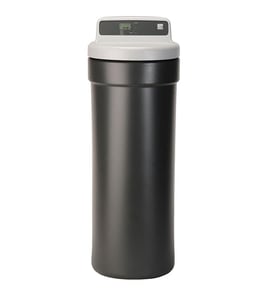







What is the best brand for water softener?
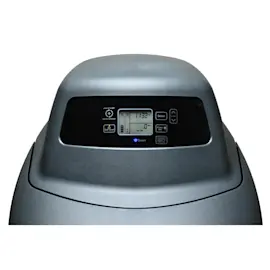
For most homes, the “best” water softener brand is the one that matches your water hardness, flow-rate needs, and service support; GE is a strong, widely supported choice, and the GE GXSH40V01 is designed for efficient, demand-initiated regeneration to help reduce salt and water use.
How we recommend choosing a “best” brand
- Get your water tested (hardness and iron); brand matters less than correct sizing.
- Match capacity to household size (grains capacity and regeneration frequency).
- Confirm service flow rate so showers and appliances do not feel restricted.
- Look for demand-initiated regeneration (D.I.R.) for better efficiency.
- Plan for maintenance (salt type, cleaning, and occasional part replacement).
Brand comparison (quick fit guide)
| If you care most about... | Look for brands known for... | What to verify before buying |
|---|---|---|
| Easy ownership and mainstream support | Broad availability and clear manuals (example: GE) | Local parts availability, warranty terms |
| High efficiency | D.I.R. controls and strong salt efficiency | NSF/ANSI 44 certification, settings flexibility |
| Low maintenance alternatives | Salt-free conditioners (not true softeners) | Whether you need scale reduction vs true soft water |
Why GE can be a good choice (including GXSH40V01)
The GXSH40V01 is an efficiency-rated softener with a demand-initiated regeneration feature intended to minimize regenerant brine and water use. It is also tested/certified to relevant standards noted in the documentation, which is a practical quality marker when comparing brands.
What to check on your GXSH40V01 for best results
Use the GXSH40V01 owner’s manual to confirm setup and performance targets. These items make the biggest difference in real-world results:
- Set the correct hardness number (and adjust for ferrous iron when applicable)
- Use clean water softening salts (pellet, nugget, or coarse solar; at least 99.5% pure)
- Avoid salt types that can cake or add sediment (rock, block, granulated)
- Keep the unit on the correct power supply and grounded outlet
When “best brand” still gives poor water
If you have no soft water, frequent regenerations, or error codes, the issue is often settings, water conditions (iron), or a control/valve component rather than the brand itself. Our GE error codes resource helps narrow that down quickly.
Last updated: February 2026
Why is my GE water softener not working?
If your GE GXSH40V01 water softener is not working, the most common causes are no salt or a salt bridge, the bypass valve being set to bypass, a hardness setting that is too low, or a clogged nozzle and venturi that cannot draw brine during recharge. Use the GXSH40V01 owner's manual troubleshooting checks first.
Quick checks that fix most “no soft water” complaints
- Confirm the brine tank is at least 1/3 full of salt.
- Break up a salt bridge (hardened salt crust above the water line).
- Make sure the bypass valve is in service (handle/stem in the OUT position).
- Verify the hardness setting matches your incoming water hardness.
- Start an immediate recharge (press and hold RECHARGE for about 3 seconds).
Clean the nozzle and venturi (common cause of hard water)
A clean nozzle and venturi is required to create suction that pulls brine from the salt tank into the resin tank during recharge. If it plugs with sand, dirt, or iron, the softener can stop producing soft water.
Basic approach:
- Put the unit in service cycle (no pressure at the nozzle/venturi area).
- Remove the top cover, then remove the cap.
- Lift out and rinse the screen support, screen, nozzle, and venturi.
- Use warm water and a small brush; clean the gasket and reassemble.
Helpful parts to consider if components are damaged or won’t seal:
- Screen 7146043 (debris can restrict flow)
- Screen support 7167659 (supports the screen in the nozzle/venturi area)
Symptoms and what they usually point to
| What you notice | Most likely cause | What to do first |
|---|---|---|
| Hard water all the time | Bypass set to bypass, salt empty/bridged | Set bypass to OUT; refill/break bridge |
| Softener runs but no improvement | Nozzle/venturi clogged | Clean nozzle and venturi |
| Display is blank or resets | Power issue at outlet/adapter | Restore steady power; reset time/settings |
| Soft water comes and goes with iron staining | Resin fouled by iron | Clean resin bed on schedule |
Why it matters
When the bypass is open or the nozzle and venturi cannot pull brine, the resin bed does not regenerate correctly. That leaves hardness minerals (calcium and magnesium) in your water, which quickly causes scale, spotting, and poor soap performance.
Last updated: February 2026
What is the life expectancy of a GE water softener?
A GE water softener like model GXSH40V01 typically lasts 10 to 15 years. Lifespan depends most on water quality (especially chlorine and iron), correct settings, and routine maintenance such as keeping salt levels up and cleaning the resin bed when needed.
What affects lifespan the most
- Chlorine level: Resin can degrade faster when chlorine is above 2 ppm.
- Iron in the water: High iron can foul resin and reduce softening performance over time.
- Maintenance habits: Regular salt use and periodic resin cleaning help prevent premature wear.
- Sediment and debris: Sediment can stress valves and screens (even with an integrated sediment basket).
- Regeneration frequency: Incorrect hardness settings can cause overwork or under-regeneration.
Maintenance that helps you reach (or beat) 10 to 15 years
Use these as practical “life-extenders” for GXSH40V01:
- Keep the brine tank stocked with quality salt and break up salt bridges.
- Clean the nozzle and venturi if brine draw gets weak.
- If you have iron, use a resin bed cleaner on a schedule (commonly every 6 months for higher iron conditions).
- Check for leaks at fittings and seals; small leaks can lead to corrosion and valve issues.
- Confirm hardness settings and time-of-day after power outages using the GXSH40V01 owner’s manual.
Quick guide: symptoms that point to wear vs. a simple fix
| What you notice | Common cause | Typical next step |
|---|---|---|
| No soft water | Settings, salt issue, fouled resin | Verify settings, check salt, clean resin bed |
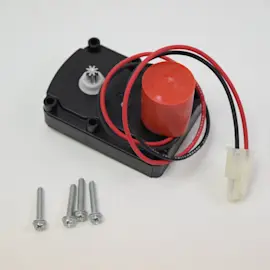
| Stuck in regen or clicking | Drive/position sensing problem | Inspect/replace rotor position switch |
| Leaks at valve area | Worn seals or O-rings | Inspect seals, replace as needed |
| Weak flow | Screen/sediment restriction | Clean screens, check sediment basket |
Why it matters
A softener can still “run” while delivering hard water; that wastes salt and water and can shorten the life of plumbing fixtures and water-using appliances. Keeping the resin and valve system healthy is the biggest factor in getting a full service life.
Last updated: February 2026
What is the average cost to replace a water softener?
Replacing a water softener like the GE GXSH40V01 typically costs $1,000 to $3,000 for a standard replacement with installation; the unit alone often runs $300 to $7,000+ depending on capacity (grain rating), system type (salt-based vs. salt-free), and features. Use the GXSH40V01 owner's manual to confirm sizing and setup details before you buy.
What drives the total replacement cost?
These factors usually move the price the most:
- Type of system: salt-based (most common) vs. salt-free or specialty systems
- Capacity: higher grain capacity usually costs more
- Plumbing complexity: tight spaces, old shutoff valves, or re-piping add labor
- Add-ons: pre-filters, pressure regulators, drain routing, or a separate drinking-water system
- Local labor rates: installation pricing varies widely by region
Typical cost breakdown (what most homeowners pay)
| Cost item | Typical range | Notes |
|---|---|---|
| Water softener unit | $300 to $7,000+ | Capacity and features drive price |
| Basic installation labor | $500 to $3,000 | Includes plumbing tie-in and startup |
| Extra plumbing/accessories | Varies | Filters, valves, drain changes, fittings |
How to size a replacement correctly
A correctly sized softener prevents hard-water symptoms and avoids wasting salt and water.
- Test water hardness (grains per gallon or mg/L)
- Estimate daily water use (people in home, fixtures, irrigation tie-ins)
- Match service flow to peak demand (showers, laundry, dishwasher)
- Confirm drain location and electrical outlet availability
- Plan for ongoing salt use (the GXSH40V01 uses demand-initiated regeneration to reduce waste when set up correctly)
Why it matters
If the replacement is undersized, you will get hard water between regenerations; if it is oversized or set up incorrectly, you can spend more on the unit and ongoing salt without better results. For operating and setup details specific to this GE model, we recommend following the GXSH40V01 owner's manual.
Last updated: February 2026
Does it damage a water softener to run without salt?
Yes. On the GE GXSH40V01, running with an empty salt tank will not usually “break” the unit immediately, but it stops proper regeneration; you will get hard water and mineral buildup can foul the resin and valve components over time, leading to poor performance and more repairs.
What happens when you run out of salt
- The softener can no longer make brine, so it cannot recharge the resin bed.
- Hardness minerals (calcium and magnesium) pass through to your plumbing and appliances.
- You may notice scale spots, stiff laundry, and reduced soap lather.
- If your water has iron, the resin bed can foul faster; cleaning may be needed more often.
- The unit may appear to “work” (display on, water flowing) but it is not softening.
How to get back to normal operation
- Refill with clean water softening salt (pellet, nugget, or coarse solar salt; avoid rock or block salt).
- Keep the salt hole cover in place except when servicing or refilling.
- Run a manual recharge/regeneration cycle per the GXSH40V01 owner’s manual.
- If you still have hard water after refilling, clean the nozzle and venturi; a plugged venturi prevents brine draw. If parts are worn, the water softener nozzle and venturi assembly WS15X24701 is a common fix.
Quick symptoms and likely causes
| What you notice | Most common cause | What to check first |
|---|---|---|
| Hard water after salt refill | Salt bridge or no brine draw | Break salt bridge; clean nozzle/venturi |
| Softener uses little or no salt | Demand-initiated regeneration behavior | Verify hardness setting; confirm recharge occurs |
| Unit not regenerating | Drive or sensing issue | Diagnostics in manual; inspect motor/switch |
Why it matters
Salt is the “fuel” for regeneration. Without it, the resin bed cannot exchange hardness minerals effectively, so scale can build up in water heaters, dishwashers, and faucets, and the softener can require more cleaning and part replacement.
Last updated: February 2026