Error Codes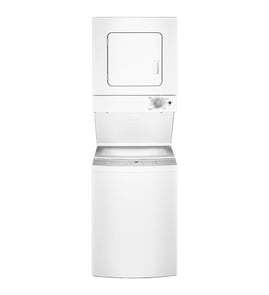





How to do laundry on a Speed Queen?
To do laundry on your Speed Queen LTSA9AWN stacked laundry center, we add detergent, load clothes evenly, choose the right water temperature and cycle, then start the washer and unload promptly when it finishes. For best results, avoid overloading and use the correct detergent amount.
Step-by-step: washing a load
- Sort laundry by color, fabric, and soil level.
- Check pockets, close zippers, and pre-treat stains.
- Add detergent (and bleach or fabric softener if your setup uses them).
- Load items loosely and evenly around the tub; do not pack them down.
- Select water temperature and any options, then choose the cycle.
- Start the cycle; remove items promptly when it ends.
Quick settings guide (typical)
| Load type | Water temp | Cycle choice | Notes |
|---|---|---|---|
| Whites, heavily soiled | Hot | Regular/Heavy | Use the recommended detergent amount for soil level |
| Colors, everyday | Warm | Regular/Normal | Most common setting for mixed loads |
| Delicates | Cold | Delicate/Gentle | Use a mesh bag for small items |
| Towels/jeans | Warm/Hot | Heavy | Balance the load to reduce vibration |
Common mistakes that cause poor cleaning or spinning
- Overloading the washer (clothes cannot circulate).
- Using too much detergent (can leave residue and cause odors).
- Choosing cold water for oily soils (may not dissolve oils well).
- Washing one bulky item alone (can throw the tub off balance).
- Leaving wet laundry sitting after the cycle (can cause musty smells).
Why it matters
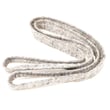
Correct loading and cycle selection protect the drive system and tub, improve rinse performance, and reduce out-of-balance shaking. If your unit starts squealing or the dryer side stops tumbling, a worn belt is a common cause on stacked laundry centers; see the Speed queen dryer belt D511255P.
Last updated: February 2026
What is the lifespan of a Speed Queen washing machine?
Speed Queen washers typically last about 20 to 25 years in normal household use when they’re installed correctly and maintained (especially the washer side of your LTSA9AWN stacked laundry center). Regular cleaning, avoiding overloads, and fixing small issues early are what most often determine whether you reach the high end of that range.
Typical lifespan: what to expect
Most Speed Queen washer designs are built with commercial-style durability, so the lifespan is usually longer than many residential washers.
- Typical household lifespan: 20 to 25 years
- Common “life limiters”: chronic overloading, poor leveling, hard-water buildup, and running with worn suspension or drive components
- Best indicator of remaining life: how smoothly it agitates and spins (noise, vibration, and leaks are early warnings)
Maintenance that extends washer life
These habits protect the tub, drive system, and seals.
- Keep loads balanced and avoid packing the basket tight
- Use the right amount of HE detergent (too much causes residue and stress)
- Periodically run a hot cleaning cycle (or hot wash with no laundry) to reduce buildup
- Check and correct leveling if the unit starts walking or banging
- Address leaks quickly so water does not damage bearings or electrical parts
Quick “is it wearing out?” checklist
If you see these symptoms, plan a repair before secondary damage happens.
| Symptom | Most likely area | What it can lead to if ignored |
|---|---|---|
| Loud rumbling in spin | bearings/tub support | tub damage, bigger repair |
| Excessive shaking | leveling/suspension | cabinet wear, hose leaks |
| Slow or weak spin | drive components | wet loads, overheating |
| Water under unit | hoses/seals/pump area | corrosion, electrical issues |
Why it matters
A stacked laundry center like the Speed Queen LTSA9AWN is a long-term appliance; getting 20 to 25 years out of the washer side often comes down to preventing vibration and water leaks, since those two issues create the most expensive follow-on damage.
If you’re already troubleshooting dryer-side wear (like a squealing or non-tumbling drum), replacing a worn Speed queen dryer belt D511255P can also reduce overall vibration and stress on the stacked frame.
Last updated: February 2026
What are common problems with Speed Queen dryers?
Common Speed Queen dryer problems on a stacked laundry center like model LTSA9AWN include no heat, long dry times, not starting, loud squealing or thumping, and poor airflow. Most of these trace back to venting restrictions, a worn drive belt, a door not closing correctly, or an electrical control or switch issue.
Most common symptoms and likely causes
- No heat or weak heat: restricted exhaust venting, gas valve or ignition system issues (gas models), or a failed control component
- Takes too long to dry: clogged lint screen housing, crushed vent hose, long vent run, or lint buildup in the blower path
- Won’t start: door not fully latched, failed start or door switch, or a control issue
- Squealing or burning smell: worn drum belt or pulley, or belt slipping from drag
- Drum not turning: broken belt or a pulley problem (motor runs but drum stays still)
If your dryer drum is not turning or you hear squealing, the most common wear item to check first is the Speed queen dryer belt D511255P.
Quick checks we recommend before replacing parts
- Clean the lint screen and confirm it seats correctly.
- Inspect the vent path from the dryer outlet to the outside hood; remove lint and fix kinks.
- Run a timed dry test with a small load; confirm strong airflow outside.
- Check the door closure; if the door pops open or feels loose, inspect the strike.
- Unplug power before opening panels; for gas models, shut off the gas supply before service.
A door that does not close firmly can prevent starting; if the latch area is worn, check the Speed queen dryer door strike 510181.
What to replace based on what you see
| What you observe | Most likely area | What we do next |
|---|---|---|
| Motor runs, drum doesn’t | Belt or pulley | Inspect belt routing and pulley wear |
| Long dry times, clothes hot | Airflow restriction | Clean venting and lint passages |
| No start, no sound | Switch/control/power | Verify outlet power, then test switches |
| Squeal or rubber smell | Belt slipping | Replace belt and inspect pulley alignment |
Why it matters
Dryer performance depends on airflow and drum movement. When airflow is restricted, drying times climb and internal temperatures rise, which can damage components and shorten the life of parts like switches and controls.
Last updated: February 2026
Does Speed Queen have stackable washers and dryers?
Yes. Speed Queen makes stackable washer and dryer units (often called stacked laundry centers) designed to save floor space while still delivering full-size washing and drying performance. Your model LTSA9AWN is an example of a Speed Queen stacked laundry center.
What “stackable” can mean
Stackable setups usually fall into two categories:
- Stacked laundry center (single unit): washer and dryer are built together as one appliance (like LTSA9AWN)
- Stackable pair (two separate units): a separate washer and a separate dryer that can be stacked with a kit
- Side-by-side: not stackable, but commonly compared for space planning
How to confirm what you have
Use these quick checks to identify whether you have a one-piece laundry center or a stackable pair:
- Look for one model/serial tag for the entire unit (laundry center)
- Check whether the dryer controls are integrated into the same cabinet
- Measure the footprint; most stacked centers are about 27 inches wide (varies by model)
- Compare your model number to the parts list for LTSA9AWN
- If you are unsure, use our guide: how to find your appliance model number (and what it means for parts)
Parts that commonly come up on stacked units
Because stacked units combine washer and dryer components, the most common service items include dryer airflow parts and drive components. For LTSA9AWN, examples available for this model include:
- Speed queen dryer belt D511255P (drum belt issues, squealing, no tumble)
- Speed queen lint filter D503980W (restricted airflow, longer dry times)
- Speed queen dryer lint filter cover D510502W (lint leaks, poor sealing)
- Speed queen dryer door strike 510181 (door not latching, won’t start)
| Setup type | What you buy | Typical space benefit |
|---|---|---|
| Stacked laundry center | One combined unit | High (small footprint) |
| Stackable pair | Two separate units + stacking kit | High (flexible replacement) |
| Side-by-side | Two separate units | Low (needs more width) |
Why it matters
Knowing whether you have a one-piece laundry center or a stackable pair helps you order the correct Speed Queen parts, plan installation space, and troubleshoot issues like dryer no-heat, no-tumble, or poor drying caused by lint restriction.
Last updated: February 2026