

How to identify a Kenmore washer model?
To identify your Kenmore washer model, we look for the model number tag on the machine itself. For Kenmore model 11016512692, the tag is typically under the lid on top-load washers or on the back panel near the power cord or control console.
Where to find the model number tag
Check these common locations first (use a flashlight and wipe dust off the label):
- Under the lid: along the rim of the tub opening or underside of the lid (common on top-loaders)
- Back of the washer: near the power cord entry or rear panel edge
- Behind the control panel: sometimes on the cabinet frame behind the console
- Inside the cabinet opening: around the top frame where the lid closes
What the model number looks like (Kenmore)
Many Kenmore washers use a model format that starts with 110 followed by additional digits. Your full model number should match exactly, including all digits.
| What to capture | Example for this washer | Why it matters |
|---|---|---|
| Model number | 11016512692 | Ensures diagrams and parts match your exact build |
| Serial number | (varies) | Helps confirm production run when parts changed |
| Type | Top-load washer | Narrows troubleshooting and part style |
Tips to avoid ordering the wrong part
Once you find the tag, match the model number exactly before choosing parts like a lid switch, drain pump, or motor coupling.
- Write the model number down exactly as printed
- Take a clear photo of the label for reference
- Match every digit; one digit off can change the correct part
- Use the model number when selecting common repairs such as a washer lid switch WP3949238
Why it matters
Kenmore washers often have multiple versions that look similar, but use different drive systems, switches, and pumps. Using the exact model number (like 11016512692) helps us point you to the correct Kenmore washer parts the first time.
Last updated: February 2026
Is it worth repairing a Kenmore washing machine?
Yes, repairing a Kenmore washer is worth it when the machine is otherwise in good shape and the fix targets a common wear part; for Kenmore model 11016512692, many repairs (like a lid switch, drain pump, or motor coupling) restore reliable washing for far less than replacing the washer.
A practical way to decide
Use this quick checklist before you spend money:
- Compare cost: if parts plus labor are well under the price of a comparable new washer, repair makes sense.
- Match the symptom to a likely part: no spin, no drain, or no agitation often points to a specific component.
- Check for leaks or rust: heavy cabinet rust or a badly leaking tub usually pushes the decision toward replacement.
- Consider downtime: if you need a fast fix, choose the most likely failure first.
- Think long-term: replacing a wear part is usually a long-lasting fix; replacing multiple major drive components at once can add up.
Common repairs on this style of Kenmore top-load washer
These are frequent, cost-effective fixes on direct-drive Kenmore 110-style washers:
| Symptom | Common cause | Example part for model 11016512692 |
|---|---|---|
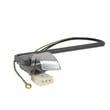
| Won’t spin or start | Lid switch not closing circuit | Washer lid switch WP3949238 |
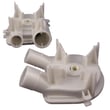
| Won’t drain | Pump jammed or worn | Washer drain pump WP3363394 |
| Agitates poorly or “slips” | Worn drive coupling | Coupling 285753A |
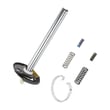
| Agitator “ratchets” or won’t move clothes well | Worn agitator dogs | Agitator dog 80040 |
Why it matters
A targeted repair keeps a proven Kenmore design running, avoids the learning curve of a new machine, and often solves the exact complaint (no drain, no spin, weak agitation) with one part instead of replacing the whole washer.
Last updated: February 2026
What is the average lifespan of a Kenmore washer?
A Kenmore washer typically lasts 10 to 15 years with normal household use; for the Kenmore 11016512692 washer, staying within that range depends most on load size, proper draining, and keeping the drive system and lid safety circuit working correctly.
What affects washer lifespan the most
- Overloading (stresses the drive motor, clutch, and gear case)
- Poor draining (standing water accelerates corrosion and odor issues)
- Out-of-balance loads (wears suspension and can damage the tub system)
- Lid switch problems (can stop spin cycles and lead to repeated restarts)
- Leaks (can damage bearings, seals, and nearby electrical components)
Quick maintenance habits that add years
- Keep loads evenly distributed; wash bulky items in smaller batches.
- Use the right detergent amount; excess suds can cause longer run times and strain.
- Check hoses and the tub area for small leaks and address them early.
- If the washer hesitates to spin, test the lid switch circuit and replace the safety switch if needed.
- If draining slows, inspect the pump and hoses for lint, coins, or small socks.
Common wear items and what they usually cause
| Symptom | Common cause in this style of Kenmore washer | Example part to check |
|---|---|---|
| Won’t spin or stops mid-cycle | Lid safety circuit not closing | Washer lid switch WP3949238 |
| Won’t drain or drains slowly | Pump jammed or worn | Washer drain pump WP3363394 |
| Agitator slips or “ratchets” | Worn agitator dogs/cam | Agitator dog 80040 |
| Loud grinding or poor agitation/spin | Drive coupling or gear case wear | Coupling 285753A |
Why it matters
A washer that is maintained and repaired early usually reaches the upper end of the 10 to 15 year range because small issues (like a weak drain pump or worn coupling) do not get the chance to cascade into bigger failures such as gear case damage or seal leaks.
Last updated: February 2026