 Installation guide
 Owner’s manual
 Error Codes



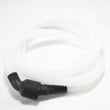

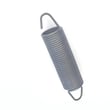
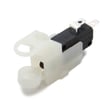
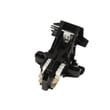
Can I look up Frigidaire parts by model number?
Yes. For a Frigidaire dishwasher model LFID2426TF4A, looking up parts by the full model number is the most reliable way to match the correct diagrams and compatible replacement parts, because small model suffixes can change fit, wiring, and mounting details. See the LFID2426TF4A use & care manual for model-specific component names and operating details.
How to look up parts by model number (best practice)
- Use the complete model number exactly as shown on the serial label: LFID2426TF4A.
- Match the part by both part name and part number/ID (not just by appearance).
- Compare your original part to the listing: mounting points, electrical connectors, and hose ports.
- If multiple similar parts appear, use the diagram location and description to narrow it down.
- Keep your serial number handy; some Frigidaire builds have running changes.
Common LFID2426TF4A part examples
If you are troubleshooting a symptom, these are examples of parts you can identify by model number for LFID2426TF4A:
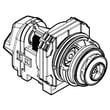
- Not draining or standing water: drain pump a A00126401
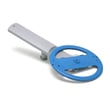
- Door won’t latch or won’t start: dishwasher door latch 5304525218
- Poor cleaning or weak spray: dishwasher spray arm 5304507158
- Leaking at the bottom of the door: dishwasher door bottom seal 5304500204
Quick reference: what to verify before ordering
| What you check | Why it matters |
|---|---|
| Full model number (LFID2426TF4A) | Ensures correct fit across similar Frigidaire models |
| Part ID/part number | Prevents ordering a look-alike with different connections |
| Symptom and location | Helps choose the right assembly (latch vs control vs seal) |
Why it matters
Dishwashers often share a platform across many Frigidaire models, but small differences can affect door hardware, spray arm style, and drain components. Using the exact model number reduces returns and gets your dishwasher back to normal operation faster.
Last updated: January 2026
Can I replace dishwasher parts myself?
Yes, for Frigidaire model LFID2426TF4A, many common repairs are realistic DIY jobs if you can safely shut off power and water and follow the correct steps. We recommend leaving wiring-heavy or leak-risk repairs to a qualified technician, especially when the dishwasher must be pulled out.
Good DIY repairs vs. better left to a pro
Many LFID2426TF4A repairs are straightforward because access starts at the toe panel and door area; use the safety and access guidance in the LFID2426TF4A use & care manual.
Good DIY candidates (typical):
- Cleaning and re-seating the filter and glass trap (helps with poor cleaning and draining)
- Replacing door hardware (latch, strike) if the door will not latch or start
- Replacing a spray arm if it is cracked, clogged, or not spinning freely
- Replacing rack rollers and small rack hardware
Often better for a pro:
- Electrical diagnosis (control board, wiring harness, junction box)
- Water inlet valve or drain pump replacement if you are not comfortable preventing leaks
- Any repair requiring the dishwasher to be removed from the cabinet and re-leveled/anchored
Safety steps we recommend before any repair
Follow these basics every time (even for “simple” parts):
- Turn off power at the breaker (dishwashers are typically on a 120V circuit)
- Shut off the water supply valve
- Protect the floor; keep towels and a shallow pan ready
- Take photos of wire and hose routing before disconnecting anything
- Run a short test cycle and check carefully for leaks after reassembly
Parts that are commonly replaced on this model
If your symptom points to a specific component, these are examples of compatible parts listed for LFID2426TF4A:
| Symptom | Part to check | Example part for this model |
|---|---|---|
| Door won’t latch or start | Latch/strike alignment | Dishwasher door latch 5304525218 |
| Poor cleaning, weak spray | Spray arm clogs/cracks | Dishwasher spray arm 5304507158 |
| Won’t drain or drains slowly | Drain path/pump issues | Drain pump a A00126401 |
Why it matters
DIY repairs can save time and money, but dishwashers combine electricity and water. Using the correct procedure for LFID2426TF4A helps prevent leaks, repeat failures, and damage to surrounding cabinets.
Last updated: January 2026
How old is my Frigidaire dishwasher by serial number?
For your Frigidaire LFID2426TF4A dishwasher, you can estimate its age from the serial number because Frigidaire commonly encodes the manufacture date in the serial. In most cases, the first two digits indicate the year and the next two digits indicate the production week; confirm the label location in the LFID2426TF4A use & care manual.
Find the serial number on LFID2426TF4A
The serial label is typically on the right side of the tub opening when you open the door.
- Open the dishwasher door fully
- Look along the right inner edge of the tub frame for the serial label
- Write down the full serial number exactly as shown
- Keep the full model number (LFID2426TF4A) with it for parts matching
How to decode the serial number (typical Frigidaire format)
Many Frigidaire-built dishwashers use a numeric date code within the serial number.
- Digits 1 to 2: year (YY)
- Digits 3 to 4: week of the year (WW)
- Remaining characters: factory and sequence information
| Serial starts with | Interpreted as | What it means |
|---|---|---|
| 19 05 | 2019, week 05 | Built early 2019 |
| 22 38 | 2022, week 38 | Built mid/late 2022 |
Why the serial number matters for repairs
Knowing the build window can help when a component changed during production and you are comparing similar-looking parts.
- Confirms you are ordering parts for the correct production run
- Helps a technician match service bulletins or revisions
- Speeds up troubleshooting when symptoms point to a known updated component
If you are diagnosing a drain problem, having the serial number handy is useful when checking the correct pump configuration for your unit, such as the drain pump a A00126401.
Why it matters
An accurate age estimate helps you plan maintenance, compare cycle performance expectations, and reduce fitment risk when selecting Frigidaire dishwasher parts for LFID2426TF4A.
Last updated: January 2026
What are the commonly replaced parts in a dishwasher?
In the Frigidaire LFID2426TF4A dishwasher, the most commonly replaced parts are the ones that handle sealing, water movement, heating, and door operation. When these wear out or clog, you typically see leaks, poor cleaning, no-drain symptoms, or a door that will not latch. See the LFID2426TF4A use & care manual for operating and cleaning details.
Commonly replaced parts (and what they affect)
These are frequent replacement items on many dishwashers, including the LFID2426TF4A:
- Door seals and gaskets: help prevent leaks around the door
- Spray arms and supports: restore wash coverage when holes clog or the arm cracks
- Filter and sump sealing: helps prevent poor cleaning and debris recirculation
- Drain parts: fix standing water and slow draining
- Heating and temperature safety parts: improve drying and help the unit reach target temps
- Door latch hardware: resolves “won’t start” issues caused by an unlatched door signal
Model-matched examples for LFID2426TF4A
If your symptom points to a specific component, these are examples of compatible parts listed for this model:
| Symptom you notice | Part category to check | Example part for this model |
|---|---|---|
| Water left in tub, won’t drain | Drain pump / drain hose | Drain pump a A00126401, Dishwasher Drain Hose 807117001 |
| Dishes not clean, weak spray | Spray arm / pump cover | Dishwasher Spray Arm 5304507158 |
| Leaking at bottom of door | Door bottom seal | Dishwasher Door Bottom Seal 5304500204 |
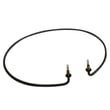
| Poor drying, no heat | Heating circuit | Frigidaire Dishwasher Heating Element 154825001 |
| Door won’t latch or won’t start | Latch / strike | Dishwasher Door Latch 5304525218 |
Why it matters
Replacing the right “high-wear” part first can save time and prevent repeat problems. For example, a clogged spray arm can look like a detergent issue, and a failing door latch can look like an electrical failure because the dishwasher will not start unless it senses the door is closed.
Quick checks before you buy a part
We recommend these basic checks to narrow the cause:
- Confirm the door closes firmly and the latch engages
- Inspect spray arm holes for debris and verify the arm spins freely
- Check the filter area and remove trapped glass or food debris
- Verify hot water supply is adequate (many cycles expect hot water at the start)
- If water remains, check for a kinked drain hose and disposer knockout plug (if connected)
Last updated: January 2026
What is the average lifespan of a Frigidaire dishwasher?
A Frigidaire dishwasher typically lasts 10 years on average. For your Frigidaire LFID2426TF4A, lifespan is most affected by water quality, how often you run it, and routine cleaning steps outlined in the LFID2426TF4A use & care manual.
Typical lifespan range (what we see most often)
- 8 to 12 years is the normal real-world range for residential dishwashers
- Heavy daily use can shorten life; light use can extend it
- Hard water and poor draining are two of the biggest life-shorteners
- Keeping spray paths clear helps the wash system run cooler and quieter
| Usage pattern | Expected lifespan | Notes |
|---|---|---|
| Light (1 to 3 loads/week) | 11 to 13 years | Less wear on pump, heater, and door parts |
| Average (4 to 7 loads/week) | ~10 years | Most common household use |
| Heavy (1 to 2 loads/day) | 7 to 9 years | More heat cycles and pump run time |
What usually ends a dishwasher’s life
Most “end-of-life” failures are tied to a few systems:
- Wash or drain pumping performance (clogs, wear, leaks)
- Heating and drying performance (heater or thermostat issues)
- Door sealing and latching (leaks, won’t start because it won’t latch)
- Control problems (intermittent operation)
How to help your LFID2426TF4A reach (or beat) 10 years
We recommend these habits because they reduce strain on the motor, heater, and drain path:
- Run hot water at the sink until it is hot before starting a cycle
- Use rinse aid and the correct detergent amount for your water hardness
- Avoid overloading; keep items from blocking spray arm rotation
- Clean the filter area and glass trap regularly
- Fix slow draining early (kinked hose, air gap clog, disposer plug issues)
Quick “maintenance vs. repair” guide
| If you notice | Try first | If it persists |
|---|---|---|
| Poor cleaning | Clean spray paths, load correctly | Inspect/replace the dishwasher spray arm 5304507158 |
| Water left in tub | Check drain hose routing and air gap | Inspect drain pump and drain path |
| Leaks at the bottom of the door | Clean and inspect sealing surfaces | Inspect/replace the door bottom seal |
Why it matters
A dishwasher near the 10-year mark can still be a great candidate for repair if the tub is sound and the leak or performance issue is isolated to a service part (spray arm, drain components, door seal, or latch). Preventive cleaning often delays those repairs.
Last updated: January 2026
What is the most common problem with the Frigidaire dishwasher?
On the Frigidaire LFID2426TF4A dishwasher, the most common day-to-day complaint we see is poor water movement: either the unit will not drain well (water left in the tub) or it will not wash well because spray flow is weak. Both issues are often tied to a clog, a hose routing problem, or a failing pump.
Quick checks we recommend first
- Confirm the cycle actually finished and the unit is not paused.
- Run hot water at the sink until it is hot before starting a cycle (helps cleaning and cycle performance).
- Make sure dishes are not blocking spray arm rotation.
- Check the drain hose for kinks and make sure it is routed with a proper high loop.
- If connected to a disposer, make sure the disposer is empty and the disposer inlet knockout plug was removed.
For model-specific operating and care steps, follow the guidance in the LFID2426TF4A use & care manual.
Most common symptoms and likely causes
| Symptom | What it usually points to | What to inspect next |
|---|---|---|
| Water left in bottom of tub | Drain restriction or drain-side component issue | Drain hose routing, air gap (if used), check valve, drain pump |
| Dishes not getting clean | Low spray pressure or blocked spray | Spray arm holes, filter/glass trap area, water temperature |
| Won’t fill or fills slowly | Water supply or inlet-side restriction | Supply valve open, float movement, inlet valve screen |
Parts that commonly relate to these problems (LFID2426TF4A)
If troubleshooting leads to a failed component, these are common matches for drain and wash-flow issues on this model:
- Drain pump a A00126401 (helps push water out during drain)
- Dishwasher drain hose 807117001 (kinks, clogs, or poor routing can prevent draining)
- Dishwasher spray arm 5304507158 (clogged jets reduce wash pressure)
- Dishwasher filter 5304532205 (restricted filtration area can reduce circulation and contribute to debris issues)
Why it matters
Drain and spray-flow problems can cause standing water, odors, poor cleaning, and longer cycle times. Catching a clog or weak pump early helps prevent repeat failures and reduces the chance of leaks from overfilling or backflow.
Last updated: January 2026





