Owner’s manual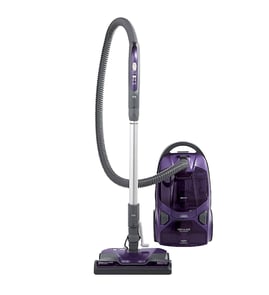
Who makes Kenmore canister vacuums now?
Kenmore is a brand name, so the company that builds Kenmore canister vacuums can change over time. For today’s Kenmore canister vacuums, manufacturing is commonly handled by Cleva North America under license; older Kenmore models were often built by other major manufacturers depending on the model and production era.
How to tell who made your specific Kenmore canister vacuum
The most reliable way is to identify the exact model number and then use the model and serial information to match parts and documentation.
- Check the model and serial number plate on the canister body
- Record the full model number exactly as shown (for this page: 11627514700)
- Use the model number to match the correct parts list and diagrams
- Use the manual to confirm features and maintenance procedures for your exact unit
- If you are comparing two Kenmore vacuums, compare model numbers, not just the “Kenmore” name
What this means for parts and repairs
Different manufacturers can use different:
- Hose and wand connection styles
- Power nozzle (PowerMate) wiring and plugs
- Belt and brush roll (agitator) designs
- Filters (motor safety filter, exhaust filter)
- Bag collar and bag chamber layouts
Quick comparison
| What you’re doing | Why the maker matters | What to use |
|---|---|---|
| Buying a replacement belt or brush roll | Fit and drive style vary by design | Model-based parts lookup and diagrams |
| Replacing filters or bags | Sizes and seals differ | The maintenance section in the manual |
| Troubleshooting power nozzle issues | Wiring and connectors vary | Wiring/connection checks in the manual |
Why it matters
Using the correct manufacturer-specific design for your Kenmore model prevents poor fit, air leaks, overheating, and weak suction. For Kenmore 11627514700, we recommend following the maintenance and troubleshooting steps in the 11627514700 owner’s manual before ordering parts.
Last updated: February 2026
How long do canister vacuums last?
A canister vacuum typically lasts 7 to 10 years, and a well-maintained Kenmore canister vacuum like model 11627514700 often reaches the high end of that range. Keeping airflow open, clearing clogs, and maintaining filters helps the motor run cooler and extends overall life (see the 11627514700 owner’s manual).
Typical lifespan (what to expect)
Most households see lifespan vary mainly by use hours, maintenance, and how often the vacuum overheats or runs with restricted airflow.
| Use pattern | Typical lifespan | What shortens it fastest |
|---|---|---|
| Light (small areas, weekly) | 8 to 12 years | Clogged filters, cord damage |
| Average (mixed floors, 1 to 2 times/week) | 7 to 10 years | Repeated clogs, running hot |
| Heavy (pets, daily use) | 5 to 8 years | Brush jams, belt stress, overheating |
Maintenance that extends life
The manual emphasizes keeping the airflow passage open and checking for clogs; restricted airflow can trigger the thermal protector and shut the motor off until it cools.
- Unplug the vacuum before checking for clogs in the hose, wand, or floor nozzle.
- Keep filters clean and replace them when they stay dirty or airflow remains weak.
- Avoid repeated overheating; if the thermal protector trips, let the vacuum cool about 30 minutes, then remove clogs and address filters.
- Prevent PowerMate jams; if the agitator slows or stops, clear the obstruction and use the belt reset procedure described in the manual.
- Protect the cord: do not run over it with the PowerMate and do not pull the plug out by the cord.
Signs it is nearing end of life
These symptoms usually mean the motor or airflow system is being stressed.
- Suction stays low even after clearing clogs and servicing filters
- Frequent thermal protector shutoffs (overheating)
- Burning smell, unusual noise, or sparking at electrical contacts
- PowerMate repeatedly stops due to jams or overload protection
Why it matters
A canister vacuum’s motor depends on steady airflow for cooling. When clogs or clogged filters restrict airflow, the vacuum can overheat and shut down; preventing that heat stress is one of the biggest factors in getting a full 7 to 10 years (or more) from your Kenmore 11627514700.
Last updated: February 2026
What are the disadvantages of a canister vacuum?
Canister vacuums like the Kenmore 11627514700 clean well, but their main disadvantages are bulkier storage, more “pieces” to manage (hose, wand, floor nozzle), and the need to pull the canister behind you, which can snag, bump furniture, or feel awkward on stairs.
Common disadvantages (what owners notice most)
- Harder to store: The canister body plus hose and wand take more closet space than many uprights.
- More setup and handling: You typically assemble the wand and nozzle, then manage the hose swivel while moving room to room.
- Canister drag and tipping: Pulling the canister can catch on thresholds or thick carpet; the wand can also tip if left upright.
- Stairs can be inconvenient: The manual warns to use care when the canister is placed on stairs because it can fall; you also should not pull the canister by the hose between steps.
- Cord management: Rewinding is convenient, but the cord moves quickly; you must keep a clear path and hold the plug while rewinding.
- Ongoing consumables (on many models): Bagged designs require replacement dust bags and filters over time.
How to reduce the downsides (practical tips)
Use these habits to make a canister vacuum easier to live with:
- Park the canister on a flat spot and use the hose swivel to clean tight areas without dragging the body.
- On stairs, move the vacuum using the canister handle grip, not the hose.
- Choose the right pile height setting and use slow, straight strokes for better control and less “pushback.”
- Keep airflow open by checking common clog points (hose, wand, nozzle) periodically.
- Unplug before maintenance or clog checks.
Quick comparison: canister vs upright
| Feature | Canister vacuum | Upright vacuum |
|---|---|---|
| Storage footprint | Larger (body + hose/wand) | Often smaller, more vertical |
| Stairs | More caution needed | Often simpler to carry/use |
| Under-furniture reach | Usually better | Varies by model |
| Cord handling | Often has rewind | Often manual wrap |
Why it matters
Most “disadvantages” are really usability tradeoffs. If you vacuum stairs often, have limited storage, or want fast grab-and-go cleaning, a canister can feel less convenient even when suction and tool reach are strong.
For model-specific operating and safety details (cord rewind, pile height, stair use), follow the 11627514700 owner's manual.
Last updated: February 2026
What is the best canister vacuum on the market today?
There is no single “best” canister vacuum for everyone; the best choice depends on your floors (carpet vs. hard floors), filtration needs (HEPA for allergies), and whether you want a bagged or bagless design. If you already own Kenmore model 11627514700, keeping it maintained (bag, filters, belt, and clogs) can deliver excellent everyday performance.
How we recommend choosing the “best” canister vacuum
Use these factors to narrow the field quickly:
- Flooring mix: homes with lots of carpet benefit from a powered nozzle (PowerMate style); hard floors do well with suction-only floor tools
- Filtration: sealed system plus HEPA is best for allergy and fine-dust control
- Bagged vs. bagless: bagged is typically cleaner to empty; bagless avoids ongoing bag purchases
- Weight and maneuverability: canister weight, swivel hose, and wand reach matter for stairs and tight rooms
- Noise level: varies widely by motor design and insulation
- Parts support: bags, filters, and belts should be easy to source for long-term ownership
What “top-tier” usually looks like (quick comparison)
| What you care about most | What to look for | Why it helps |
|---|---|---|
| Deep carpet cleaning | Powered carpet nozzle + height adjustment | Improves agitation and pickup on pile |
| Allergies and dust control | HEPA exhaust filter + tight seals | Reduces fine dust in exhaust air |
| Pet hair | Powered nozzle + easy brushroll access | Helps lift hair from carpet fibers |
| Low ongoing mess | Bagged system | Cleaner disposal and consistent airflow |
If you already have Kenmore 11627514700, get “best results” from it
Your Kenmore canister is designed to switch between FLOOR (canister motor only) and CARPET (canister + PowerMate motors), and it uses pile height settings to match carpet type. For the most effective setup and safe operation details, follow the 11627514700 owner’s manual.
- Use CARPET for rugs and carpet; use FLOOR for hard surfaces
- Match pile height to the carpet (higher for shag, lower for most carpets)
- Keep airflow open by checking for clogs in the hose, wand, and nozzle
- Replace a full bag and change dirty filters to prevent suction loss
- If the PowerMate stops cleaning well, inspect the belt and brushroll for debris
Why it matters
A “best” canister vacuum is the one that matches your flooring and filtration needs while staying easy to maintain. Even premium vacuums lose performance quickly when bags, filters, belts, or airflow passages are neglected.
Last updated: February 2026