Owner’s manual



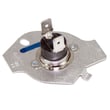
How do I know if my Kenmore dryer thermal fuse is blown?
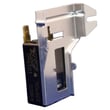
On Kenmore model 11097561602, a blown thermal fuse commonly shows up as a dryer that will not start, or a dryer that runs but has no heat. The sure way to confirm is a continuity test with a multimeter after disconnecting power.
Quick symptoms to look for
- Dryer will not run even though the door is closed and the outlet has power
- Drum turns but there is no heat (gas valve may not open, burner may not ignite)
- Cycle ends early or clothes stay damp because heat never comes on
- You recently had restricted airflow (lint buildup, crushed vent, kinked exhaust)
How we test the thermal fuse (basic continuity check)
- Unplug the dryer from the grounded outlet.
- Access the thermal fuse (location varies by design; use the wiring/parts layout in the 11097561602 owner's manual).
- Remove at least one wire from the fuse terminal.
- Set a multimeter to continuity or lowest ohms.
- Touch probes to the fuse terminals.
Interpreting the meter reading
| Meter result | What it means | What to do next |
|---|---|---|
| Beep or near 0 ohms | Fuse is good | Keep troubleshooting heat or start circuit |
| No beep or OL/infinite | Fuse is blown | Replace the fuse and correct the airflow problem |
Fix the root cause before restarting
A thermal fuse usually opens because the dryer overheated. Before running the dryer again, we recommend:
- Clean the lint screen and confirm it seats correctly
- Check the vent path for crushing or kinks behind the dryer
- Inspect and clean lint buildup in the exhaust ducting
- Confirm the dryer is installed with proper airflow and clearances (see the 11097561602 owner's manual)
- If you have a gas dryer, confirm the gas shutoff valve is open and the vent is clear
Why it matters
Replacing a blown thermal fuse without fixing restricted airflow often leads to repeat overheating, longer dry times, and additional failures (like a damaged blower wheel or cycling issues).
Last updated: February 2026
How do I tell what model my Kenmore dryer is?
Your Kenmore dryer’s model number is printed on the model and serial number label on the dryer cabinet. For Kenmore model 11097561602, the label is typically in the door opening; once you find it, write down the full model number and serial number to match the correct parts and instructions in the 11097561602 owner's manual.
Where to look for the model number label
Check these common spots on Kenmore dryers first:
- Inside the dryer door opening on the cabinet frame
- On the back panel of the dryer cabinet
- Near the lint screen housing area (depending on the design)
- On a metal plate or sticker labeled “Model” and “Serial”
What to copy from the label (and why)
Record the information exactly as shown so we can match the right diagrams and parts.
- Model number (example format: 110.9756xxxx)
- Serial number (helps identify production details)
- Purchase date (useful for service history)
Quick guide: what the numbers mean
| What you see | What it tells us | Why it matters |
|---|---|---|
| 110.xxxxxxxx | Kenmore 110-series style model number | Helps narrow parts to the correct platform |
| Full model (like 11097561602) | Exact configuration | Ensures correct fit and wiring/ignition match |
| Serial number | Unit-specific identifier | Useful when ordering certain assemblies |
Why it matters
Kenmore dryers often share similar looks across multiple series, but parts like the drive system, sensors, and gas ignition components can differ. Using the exact model number helps us match items such as the dryer thermistor WP8577274 or dryer gas valve coil kit 279834 to your specific dryer.
Last updated: February 2026
Is it safe to bypass a dryer thermal fuse?
No. For Kenmore dryer model 11097561602, bypassing the thermal fuse is unsafe because it removes an overheat shutoff that helps prevent a fire. The correct fix is to find the overheating cause (usually airflow or a failed control) and replace the blown safety part.
What we recommend instead (safe, effective)
- Unplug the dryer before opening any panels.
- Do not jumper the fuse even “just to test”; use a meter to diagnose.
- Restore airflow first: clean the lint screen, lint housing, blower area, and the entire vent run to the outside.
- Check the exhaust path for crushed flex duct, long runs, or a stuck exterior damper.
- If heat is inconsistent on a gas model, check common ignition components such as the Dryer gas valve coil kit 279834 and related burner sensors.
- Follow the access steps and safety notes in the 11097561602 owner’s manual.
Why the thermal fuse blows
A thermal fuse usually opens because the dryer temperature got too high. The most common causes are:
- Restricted venting (lint buildup, kinked duct, blocked hood)
- Lint buildup around the blower wheel or internal ducting
- Failed cycling thermostat or thermistor control (temperature not regulated)
- Weak airflow from a damaged blower wheel
- Overloading or running with poor room makeup air (especially in tight spaces)
Quick checks you can do
| Check | What you’re looking for | What it points to |
|---|---|---|
| 5-minute heat test | Heat present, then shuts off | Airflow restriction or cycling issue |
| Vent airflow outside | Weak or no airflow | Blocked/kinked vent or lint clog |
| Unusual noises | Squeal, rumble, thump | Drum support or idler issues affecting airflow and run time |
Why it matters
When the thermal fuse is bypassed, the dryer can keep heating during an overtemperature condition. That turns a simple airflow or control problem into a serious safety risk. Fixing the root cause also prevents repeat fuse failures and long dry times.
Last updated: February 2026
Is it worth fixing a 7 year old dryer?
Yes; a 7-year-old Kenmore dryer like model 11097561602 is worth fixing when the repair is a common wear item (belt, rollers, idler, sensors) and the total cost stays well below the price of a comparable new dryer. Replacement makes more sense when the repair involves major assemblies (motor, drum, burner) or repeated breakdowns.
Quick decision checklist
- If the dryer still heats and tumbles, prioritize maintenance and small parts first.
- If it squeals, thumps, or drags, a roller or idler repair is usually a good value.
- If it runs but dries poorly, check airflow and lint buildup before replacing parts.
- If it will not start, confirm power, door latch, and basic controls before major parts.
- If you smell gas or suspect a gas leak, stop using the dryer and have it serviced.
Typical repairs that are usually “worth it”
These are common, lower-cost fixes that often restore performance on this Kenmore gas dryer:
- Drum support and roller wear: support WPW10314173
- Belt tension and noise issues: dryer idler pulley 279640
- Intermittent heat on gas models: dryer gas valve coil kit 279834
- Poor temperature control or cycling issues: dryer thermistor WP8577274
Cost-to-value guide
| Repair type | What you usually notice | Value at 7 years |
|---|---|---|
| Wear items (rollers, idler, seals) | Noise, thumping, slow drum | High |
| Airflow and lint cleaning | Long dry times, hot cabinet | Very high |
| Gas ignition parts | No heat, heat cuts out | Medium to high |
| Major assemblies (motor, drum, burner) | No tumble, severe damage | Lower |
Why it matters (safety and performance)
Good airflow and lint control protect drying performance and reduce overheating risk. The use and care guidance for this model calls for cleaning the lint screen every load and having accumulated lint removed from inside the cabinet and exhaust vent about every 2 years (more often with heavy use). See the 11097561602 owner’s manual for the cleaning schedule and operating tips.
What we recommend before you decide
- Clean the lint screen and confirm strong airflow at the outside vent.
- Inspect the vent run for crushing, kinks, or heavy lint.
- Listen for squeal or rumble (roller or idler symptoms).
- Note whether heat is steady or drops out mid-cycle (gas coil symptoms).
- Compare the repair estimate to the cost of a similar new dryer; if the estimate is close to half the replacement cost, replacement is usually the better value.
Last updated: February 2026