
What are the most common issues with SS3L3?
The most common issues we see with the Ingersoll SS3L3 air compressor are air leaks, slow tank fill (low output), pressure switch problems, and motor starting issues. Most problems trace back to leaks at fittings, a failing check valve, worn pump components, or electrical supply and controls.
Common SS3L3 symptoms and likely causes
- Compressor runs but won’t build pressure: air leak, bad tank check valve, stuck-open unloader valve, worn reed valves
- Slow to fill tank: restricted intake filter, leaking fittings, worn piston rings or valves, belt slippage (if belt-driven)
- Won’t start or trips breaker: weak capacitor (if equipped), low voltage/undersized extension cord, tight pump, failing motor
- Starts then stops at low pressure: pressure switch out of adjustment or failing, thermal overload opening
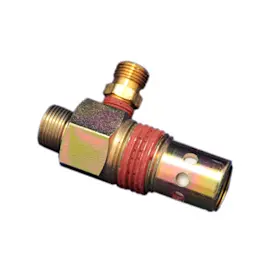
- Air leaking from pressure switch area after shutoff: unloader valve not sealing, check valve leaking back
- Excessive noise or knocking: low oil (oil-lube pumps), loose fasteners, worn bearings/connecting rod
Quick checks we recommend (in order)
- Unplug power; drain tank pressure to a safe level before touching fittings.
- Listen for leaks; spray soapy water on couplers, regulator, tank fittings, and the check valve area.
- Verify the outlet and circuit match the compressor requirements; avoid long/light extension cords.
- Check intake filter condition; a clogged filter reduces CFM and increases run time.
- Watch the pressure gauge behavior:
- If pressure rises then falls quickly, focus on leaks and the check valve.
- If pressure rises very slowly, focus on intake restriction and pump wear.
What to do based on the symptom
| Symptom | Most common fix path | What you’ll notice |
|---|---|---|
| Won’t build pressure | Find and seal leaks; inspect check valve/unloader | Hissing at fittings or switch area |
| Trips breaker on start | Correct power supply; test start components | Hums, then clicks off |
| Slow fill | Clean intake; check for belt slip; inspect pump | Long run time, warm pump |
Why it matters
Running an SS3L3 with leaks or starting problems forces longer run times and higher heat; that accelerates wear on the pump, motor, and pressure controls and can lead to repeated breaker trips.
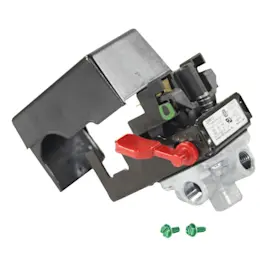
For model-specific diagrams and replacement parts, search by model number SS3L3 on Sears PartsDirect.
Last updated: March 2026
What is the average lifespan of SS3L3?
For the Ingersoll SS3L3 air compressor, the average lifespan is 10 to 15 years with normal DIY or light shop use and routine maintenance (oil changes, clean intake filtration, and tank draining). In heavier daily use, plan on 5 to 10 years before major service is needed.
Typical lifespan by how it’s used
- Occasional DIY (weekends): 12 to 15 years
- Light shop (several times per week): 10 to 12 years
- Heavy use (daily, long run times): 5 to 10 years
- Poor maintenance (dirty filter, water left in tank): shortened lifespan
What most often ends an air compressor’s life
These are the common wear points that drive repair decisions on units like the SS3L3:
- Pump wear (rings, cylinder, valves) causing low CFM and long recovery times
- Motor issues (hard starting, overheating, tripping breaker)
- Pressure switch or unloader valve problems (won’t start, won’t shut off)
- Tank corrosion from moisture (internal rust, pinhole leaks)
- Air leaks at fittings, regulator, or drain valve
Maintenance that adds years (and why it matters)
Keeping water and heat under control is what preserves the pump and tank. A few simple habits make the biggest difference:
- Drain the tank after each use (or daily in humid conditions)
- Change pump oil on schedule for oil-lubed designs
- Keep the intake filter clean so the pump does not ingest dust
- Fix small air leaks early to reduce run time and heat
- Avoid long continuous run times; let the unit cool between cycles
Quick “replace vs. repair” guide
| Symptom | Most likely cause | Usual next step |
|---|---|---|
| Runs constantly, won’t reach cut-out | Air leak or worn pump valves | Leak check; then pump service |
| Trips breaker on start | Capacitor, motor, or unloader issue | Electrical checks; inspect unloader |
| Water and rust in tank | Infrequent draining | Drain; inspect tank condition |
Finding the right parts for SS3L3
Match parts by the full model number SS3L3 and the diagram location to avoid fit issues. Our guide on how to find your appliance model number (and what it means for parts) helps you confirm the model tag and use it to identify the correct replacement.
Last updated: March 2026
How do I find the model number on my SS3L3?
The model number for your Ingersoll Rand air compressor is printed on the unit’s identification label (data plate). On an SS3L3, that label is typically on the tank or frame; once you find it, match the full model number exactly so you get the right diagrams and replacement parts.
Where to look on an Ingersoll Rand SS3L3
Check these common data-plate locations first:
- Side of the air tank near the motor/pump end
- Rear of the tank near the handle or wheel bracket (if equipped)
- Frame/base rail under the tank
- Near the pressure switch cover area (on the frame, not on the plastic cover)
- On a sticker or metal tag close to the drain valve end of the tank
What to write down (so parts match)
Record the full information from the label, not just “SS3L3”:
- Model number (for example, SS3L3)
- Type or “spec” number (if listed)
- Serial number
- Voltage and phase (helpful for motor and pressure switch matching)
Quick checklist
| Label item | Why it matters |
|---|---|
| Model number | Pulls the correct parts diagrams for your compressor |
| Spec/type | Separates similar builds that use different fittings or pumps |
| Serial number | Helps confirm production run when parts changed |
If the label is missing or unreadable
Use these practical options to identify the correct model:
- Look for an embossed or stamped marking on the tank collar or frame
- Compare your compressor’s tank size, pump style, and control layout to the diagrams for SS3L3
- If you have multiple similar Ingersoll Rand compressors, tag each unit after you identify it to avoid mix-ups
- Use our model-number help article: [how to find your appliance model number (and what it means for parts)]
Why it matters
Air compressor parts like pressure switches, regulators, check valves, and pump components can vary by spec even when the model name looks the same. Using the exact SS3L3 identification from the data plate prevents ordering the wrong part and reduces downtime.
Last updated: March 2026