
How many cc's is a Mcculloch PRO chainsaw?
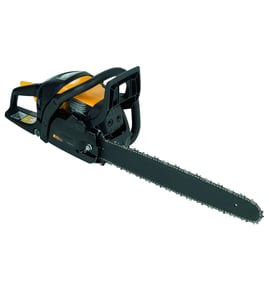
For the Mcculloch PRO MAC 610 chainsaw, the engine size is typically about 60 cc (a 2-cycle gas engine). That cc rating matters because it helps match the saw to the right bar length, chain type, and cutting workload; you can also use Sears PartsDirect to look up parts by the exact model details you have.
What “cc” means on a chainsaw
“CC” (cubic centimeters) is the engine displacement. In general, higher cc means more torque and better performance in larger wood, but it also usually means more weight and fuel use.
Typical cc ranges (so you can sanity-check what you have)
Most gas chainsaws fall into these buckets:
- 30 to 40 cc: light trimming, small limbs
- 40 to 50 cc: general homeowner firewood and storm cleanup
- 50 to 70 cc: heavier cutting, larger diameter logs
- 70 cc and up: PRO felling and frequent, demanding use
Quick comparison: what 60 cc usually supports
| Engine size | Common bar range | Best for |
|---|---|---|
| 40 to 50 cc | 14 to 18 in. | general cutting, moderate hardwood |
| ~60 cc | 18 to 20 in. | larger firewood, tougher hardwood |
| 70+ cc | 20 to 28 in. | frequent heavy cutting |
Why it matters for parts and troubleshooting
Knowing the cc helps you avoid mismatches when you’re diagnosing performance issues or selecting maintenance parts. For example, a 60 cc saw that runs rough or won’t start often points to fuel delivery or carburetion issues rather than “not enough power.”
If your PRO MAC 610 is hard to start, we recommend following the checks in tips for a hard to start chainsaw (fresh fuel mix, spark plug condition, air filter, and carb settings).
Last updated: February 2026
Are McCulloch chainsaws good quality?
Mcculloch chainsaws are generally a solid, homeowner-focused choice: they are built for dependable cutting performance with practical ergonomics and durability when they are maintained correctly. For your Mcculloch PRO chainsaw, overall “quality” shows up most in how well it starts, oils the chain, and holds a tune over time.
What “good quality” looks like in real use
- Starts consistently hot and cold with normal choke/primer use
- Idles without stalling and accelerates cleanly (no bogging)
- Oils the bar and chain evenly (no dry chain or smoking bar)
- Cuts straight with a sharp chain and PROper chain tension
- Runs without excessive vibration (good anti-vibe condition)
Common issues that affect performance (and how to judge them)
Many “bad chainsaw” complaints come from fuel, carburetion, or cutting setup rather than the brand.
| Symptom | Most common cause | What to check first |
|---|---|---|
| Hard to start | Old fuel, fouled spark plug, carb settings | Fresh fuel mix, plug condition, air filter |
| Runs rough | Dirty carb, air leak, clogged filter | Fuel lines, filter, carb cleaning |
| Poor cutting | Dull chain, wrong depth gauges, low chain speed | Chain sharpness, bar condition, tension |
| Overheats | Lean fuel mix, blocked cooling fins | Correct mix ratio, clean fins |
Maintenance that keeps a Mcculloch running strong
- Use fresh, PROperly mixed 2-cycle fuel; avoid stale fuel between seasons
- Clean or replace the air filter regularly
- Keep the chain sharp and set chain tension correctly
- Confirm the oiler is working; refill bar and chain oil often
- Inspect fuel lines and the fuel filter for cracking or restriction
Why it matters
A chainsaw’s “quality” is heavily tied to upkeep: a clean carburetor, good fuel delivery, and a sharp chain can make an older Mcculloch feel powerful and smooth, while neglected basics can make any saw seem unreliable.
For model-specific parts lookup and diagrams for your Mcculloch PRO, start with the parts list for this model, or search by model on Sears PartsDirect. For DIY troubleshooting and repair steps, we recommend tips for a hard to start chainsaw.
Last updated: February 2026
What year was the Mcculloch PRO chainsaw made?
Mcculloch used “PRO” across multiple chainsaw lines, so there is not one single year for a “Mcculloch PRO” saw. For this Sears PartsDirect parts page, the model designation is PRO-MAC-610; the exact build year is identified by the serial number and any date code on the ID tag.
How to date a PRO-MAC-610 chainsaw
Use these checks to narrow the PROduction year quickly:
- Locate the ID tag (commonly on the starter housing, crankcase, or rear handle area)
- Write down the full model designation exactly as printed (for example, PRO-MAC-610)
- Record the serial number exactly, including any prefixes
- Look for a stamped date code or a separate emissions label (if present)
- Note key features that often changed over time (chain brake style, air filter cover, handle design)
What matters most for finding the year
| What you have | What it tells you | Usefulness for the exact year |
|---|---|---|
| “PRO” only | PROduct family name | Low |
| “PRO-MAC-610” | Specific model line | Medium |
| Serial number | PROduction range | High |
| Date code format | Era and factory clues | High |
Why it matters
The correct PROduction year (or at least the correct version within the PRO-MAC-610 line) helps match ignition components, carburetor settings, fuel line routing, and bar and chain fitment so you avoid ordering the wrong parts.
Helpful next steps
- If you are troubleshooting while you identify the exact version, use tips for a hard to start chainsaw
- For broader parts lookup options, search by the full model designation and serial number on Sears PartsDirect
Last updated: February 2026
What are the specs of the Mcculloch PRO chainsaw?
For the Mcculloch chainsaw listed here (model PRO, commonly referenced as a PRO MAC 610), the core specs customers usually need are the engine size, fuel mix ratio, fuel tank capacity, and chain pitch. Use these specs to match maintenance parts and cutting components, then shop by model on Sears PartsDirect.
Key specs commonly used for parts matching
These are the most-requested specifications for the PRO MAC 610 platform:
- Engine displacement: 60 cc (3.7 cu. in.)
- Fuel and oil mix ratio: 40:1
- Fuel tank capacity: 16.6 oz.
- Chain pitch: 3/8 in.
- Cylinder bore: 1.88 in.
- Piston stroke: 1.38 in.
Cutting setup details to confirm on your saw
Even with the correct model family, bar and chain fit still depends on the exact bar and sprocket currently installed. Confirm these before ordering:
- Bar length (stamped on the guide bar)
- Chain gauge (for example, .050 in. or .058 in., stamped on the bar)
- Drive link count (DL; printed on the bar or chain carton)
- Sprocket type (spur vs. rim) and pitch (must match 3/8 in.)
| Spec you check | Where to find it | Why it matters |
|---|---|---|
| Bar length | Stamp near bar mount | Determines chain length range |
| Gauge | Bar stamp | Must match bar groove width |
| Drive links | Bar stamp or count | Ensures correct chain loop length |
| Pitch | Bar stamp and sprocket | Must match sprocket and chain |
Why it matters
Correct specs prevent chain fit PROblems and unsafe operation. A mismatch in pitch, gauge, or drive links can cause poor cutting, rapid bar wear, or chain derailment.
If you are asking because it runs rough or will not start
Fuel-related issues are common on older gas chainsaws. Start with:
- Drain old fuel and refill with fresh 40:1 mix
- Inspect fuel lines for cracks and air leaks
- Replace the fuel filter if restricted
- Clean the air filter and check the spark plug
For step-by-step troubleshooting, use tips for a hard to start chainsaw.
Last updated: February 2026