Error Codes

How many cubic feet is a Kenmore Model 11082873120 washer?
Kenmore washer model 11082873120 is a traditional top-load washer; its exact tub capacity in cubic feet varies by the specific platform and is not a reliable match from the “110” prefix alone. For practical planning, most Kenmore top-load agitator washers of this style run in the about 3.0 to 3.6 cu. ft. range.
Practical capacity range to use
Use this range to estimate load size and avoid overfilling while you compare models or plan laundry loads.
- 3.0 to 3.3 cu. ft.: standard-capacity top-load
- 3.4 to 3.6 cu. ft.: larger-capacity top-load
- Bulky items still need extra space for water flow and agitation
Quick load-size guide
| Approx. capacity | Typical load | Examples |
|---|---|---|
| 3.0 to 3.3 cu. ft. | Medium | Daily mixed clothes, a few towels |
| 3.4 to 3.6 cu. ft. | Large | Family mixed load, more towels |
| Any size | Bulky | Comforter: 1 item at a time, balanced |
How we recommend sizing loads (works for any cu. ft. rating)
These checks prevent poor cleaning and out-of-balance spinning.
- Load items loosely; do not pack or push them down
- Keep the load below the top of the wash basket so items can circulate
- Wash bulky items one at a time and distribute weight evenly
- If agitation is weak or the load stalls, reduce the load and inspect common wear parts
Why it matters
Overloading increases strain on the drive system and reduces wash action. If the agitator “ratchets” or stops moving properly, worn agitator components are a common cause; the agitator dog 80040 is one of the typical wear items on many Kenmore top-load agitator designs.
Last updated: February 2026
How to hard reset kenmore washer?
To hard reset your Kenmore washer model 11082873120, we recommend a simple power reset first: unplug the washer (or switch off the breaker) for 1 minute, then restore power and run a quick cycle. This clears minor control glitches, stuck cycles, and many no-start symptoms.
Quick hard reset steps (power reset)
- Turn the washer OFF.
- Unplug the power cord from the outlet (or turn the breaker OFF).
- Wait 60 seconds.
- Plug back in (or turn the breaker ON).
- Wait 30 seconds, then select a Rinse/Spin or Drain/Spin cycle and press Start.
If the washer still will not run
These checks fix the most common “reset didn’t work” situations on top-load Kenmore washers.
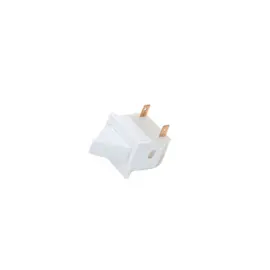
- Make sure the lid closes firmly; a failed lid switch can stop agitation and spin.
- Confirm the outlet has power; test with a lamp or small appliance.
- If it drains slowly or not at all, check for a clog and inspect the water pump WP3363394.
- If the motor runs but the tub will not agitate or spin, inspect the coupling 285753A.
- If the agitator moves poorly or “ratchets,” inspect the agitator dog 80040.
What a reset can and cannot fix
| Symptom | Reset helps most when | Usually needs a part check when |
|---|---|---|
| Washer stuck mid-cycle | Control glitch or brief power interruption | Repeats every load, especially at spin |
| Will not start | Control locked up | Lid not sensing closed, no power, timer/control issue |
| No drain / standing water | Temporary glitch after overload | Pump clogged/failed, drain restriction |
Why it matters
A hard reset is the fastest safe first step because it restores the washer’s control to a known state. If the same symptom returns right away, we treat it as a mechanical or electrical issue (drain system, drive coupling, lid sensing) and troubleshoot the specific circuit or part.
Last updated: February 2026
How to read Kenmore washer model numbers?
Kenmore washer model numbers are structured so the first 3 digits identify the manufacturer, the next group identifies the base model design, and the remaining digits indicate feature or production variations. For your Kenmore washer model 11082873120, the 110 prefix is the key starting point.
What each section of a Kenmore model number means
Most Kenmore washer model numbers follow this pattern:
- Prefix (first 3 digits): manufacturer code (who built it for Kenmore)
- Middle digits: base model series and design family
- Ending digits: version details such as feature package, color, or production revision
Quick example using your model
| Example model | Prefix | What the prefix tells you | Why it matters |
|---|---|---|---|
| 11082873120 | 110 | Manufacturer identifier | Helps match the correct parts list and repair procedures |
Why the prefix matters when buying parts
We use the full model number to match parts like a lid switch, water inlet valve, drive system components, and suspension parts. Even small suffix changes can affect fit.
Common part categories where exact model matching matters:
- Agitator and drive parts (for example, agitator dog 80040)
- Drain system parts (for example, water pump WP3363394)
- Spin and basket mounting parts (for example, washer drive block WP389140)
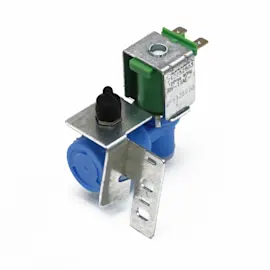
- Fill components (water inlet valve assemblies)
- Safety and control parts (lid switch and related wiring)
How to use the model number to get the right part
- Match the entire model number (all digits) when searching.
- Compare the part name and part ID to what your washer uses.
- If your washer has symptoms (no spin, no drain, won’t agitate), start with the most common wear items first.
Symptom-to-part starting points
| Symptom | Common starting checks | Parts often involved |
|---|---|---|
| Won’t agitate | Agitator movement, stripped internal dogs | Agitator dog, agitator cam |
| Won’t drain | Pump obstruction, pump impeller | Water pump |
| Won’t spin | Drive coupling, clutch wear | Coupling, clutch |
Why it matters
Kenmore model numbers are the fastest way to avoid ordering the wrong replacement part. Using the full model number keeps your repair accurate, reduces returns, and gets your washer back in service sooner.
Last updated: February 2026
Is it worth repairing a Kenmore washing machine?
Yes, it’s usually worth repairing a Kenmore washer, especially a proven direct-drive model like Kenmore 11082873120, as long as the repair cost is clearly less than replacing the washer and the fix addresses the root cause (not just symptoms). Many common failures are inexpensive, long-lasting repairs.
A simple way to decide (repair vs. replace)
Use this quick checklist before spending money:
- Get a clear diagnosis first (what failed and why).
- Compare total repair cost (parts + labor) to the price of a comparable new washer.
- Prioritize “wear” fixes that restore normal operation (agitator, drain, spin).
- Avoid stacking repairs if multiple major systems are failing at once.
- Consider downtime: if you need a fast fix, in-stock parts can matter.
Common repairs that are often worth it on this model
These are frequent, cost-effective fixes on many Kenmore 110 top-load designs:
- No agitation or weak agitation: agitator dog 80040
- Won’t spin or makes grinding/drive noise: coupling 285753A
- Won’t drain or leaves water in tub: water pump WP3363394
- Spin issues or burning smell during spin: clutch 285785
- Off-balance shaking or banging: washer suspension spring WP63907
Cost-to-benefit snapshot
Typical value of a repair depends on what failed and how many parts are needed.
| Situation | Typical outcome | Usually worth repairing? |
|---|---|---|
| Single mechanical failure (agitator, pump, coupling) | Restores full function | Yes |
| Drain/spin issue plus one wear part | Good reliability after repair | Often |
| Multiple major drive or tub-related problems | Costs add up quickly | Sometimes not |
Why it matters
A targeted repair on Kenmore 11082873120 can restore wash performance and extend service life without the cost and learning curve of a new machine. The key is fixing the actual failed component (for example, a worn coupling vs. a motor).
Last updated: February 2026
What is the average lifespan of a Kenmore washer?
A Kenmore washer typically lasts 10 to 15 years with normal household use. For Kenmore model 11082873120, consistent care (proper loading, correct detergent, and addressing small leaks or noises early) helps you reach the longer end of that range.
What affects washer lifespan the most
- Overloading the basket, which strains the drive system and suspension
- Frequent unbalanced loads, which accelerates wear on springs and the drive components
- Hard water and detergent buildup, which can contribute to valve and pump issues
- Ignoring early symptoms (burning smell, grinding, slow drain, poor agitation)
- Installation factors like an unlevel washer or kinked drain hose
Typical wear items and what they usually cause
If performance drops, these common parts often point to the next repair:
| Symptom | Common cause | Example part for model 11082873120 |
|---|---|---|
| Won’t agitate well | Worn agitator dogs/cam | Agitator dog 80040 |
| Won’t spin or makes loud noise | Drive coupling or clutch wear | Coupling 285753A or clutch 285785 |
| Won’t drain or drains slowly | Pump obstruction or pump wear | Water pump WP3363394 |
| Won’t fill or fills slowly | Inlet valve issue or screen blockage | Valve 285805 |
Maintenance that helps you hit 15 years
- Keep loads evenly distributed; mix large and small items
- Use the right amount of detergent; too much leaves residue
- Check fill hoses periodically for bulges or seepage
- If draining slows, inspect the drain path and pump area for debris
- Level the washer so the tub stays centered during spin
Why it matters
Washer lifespan is usually limited by a few high-wear components (drive, drain, and suspension). Catching symptoms early often turns a major breakdown into a straightforward part replacement, which keeps your Kenmore washer running longer.
Last updated: February 2026