


What are the most common issues with U6420-900?
The most common problems we see with the Hoover U6420-900 upright vacuum are loss of suction, a brush roll that stops spinning, unusual noise or burning smell, and power issues (won’t start or cuts out). Most are caused by clogs, worn belts, dirty filters, or a damaged cord.
Common symptoms and what usually causes them
- Low or no suction: clogged hose or nozzle, full bag/cup, dirty filter, air leak at a gasket
- Brush roll not spinning: worn or broken belt, jammed brush roll, debris in the nozzle
- Loud rattling or grinding: debris in fan area, worn brush roll bearings, cracked nozzle
- Burning smell: belt slipping, brush roll jam, motor overheating from restricted airflow
- Won’t turn on or shuts off: damaged power cord, loose wiring, thermal protector tripping
Quick checks we recommend first (fast, no tools)
- Unplug the vacuum; remove any visible debris from the nozzle opening.
- Check the hose for a clog by dropping a coin through (it should pass freely).
- Empty the bag/cup and clean or replace the filter (a clogged filter kills airflow).
- Inspect the brush roll area; cut away hair and string.
- If you smell rubber, stop and check the belt and brush roll for binding.
Troubleshooting guide by symptom
| Symptom | Most likely cause | Best first action |
|---|---|---|
| Weak pickup | Clog or dirty filter | Clear airflow path; clean filter |
| Brush not turning | Belt worn/broken | Inspect belt; check for jams |
| Vacuum is loud | Debris in fan/nozzle | Remove obstruction; inspect nozzle |
| Stops after a few minutes | Overheating from blockage | Clear clogs; let it cool |
Why it matters
Running the U6420-900 with restricted airflow or a jammed brush roll overheats the motor and quickly wears the belt. Fixing clogs and cleaning filters first prevents repeat failures and improves carpet cleaning.
Helpful DIY resource
For safe repair habits and what to check before opening the vacuum, use our guide: are diy appliance repairs safe.
Last updated: March 2026
What is the best upright vacuum cleaner on the market today?
There is no single “best” upright vacuum for everyone; the best choice depends on your floors, pets, allergies, and budget. For most homes, we recommend prioritizing strong carpet pickup, sealed filtration (HEPA if you have allergies), and easy brush roll maintenance, then choosing the brand and features that fit your needs.
How to choose the best upright for your home
- Carpet vs. hard floors: Look for height adjustment or a brush roll on/off for mixed flooring.
- Pets: Choose anti-tangle brush design and strong edge cleaning.
- Allergies: Prefer sealed systems and HEPA filtration (especially with bagged designs).
- Maintenance: Easy access to the brush roll, belt area, and filters matters as much as suction.
- Weight and handling: Consider lift-away canisters, swivel steering, and stair tools.
Quick comparison: what “best” usually means
| Need | What to look for | Common upright style that fits |
|---|---|---|
| Deep carpet cleaning | Strong agitation, height adjustment | Traditional upright (often corded) |
| Pet hair | Anti-tangle brush, strong suction at nozzle | Pet-focused upright |
| Allergies | Sealed airflow, HEPA, low dust exposure | Bagged upright |
| Low upkeep | Durable brush roll, simple filter access | Bagged or easy-clean bagless |
Where your Hoover U6420-900 fits in
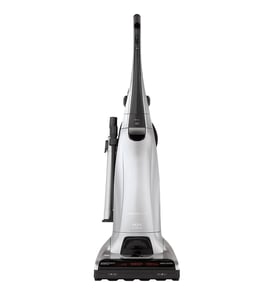
Your Hoover U6420-900 is an upright vacuum; it can perform very well when the airflow path is clear and wear items are kept up. If your current vacuum is losing suction or leaving debris behind, performance is often restored by addressing clogs, filters, brush roll buildup, or a worn belt.
Best “upgrade” features to prioritize
- Sealed HEPA filtration (especially for allergies)
- Brush roll shutoff for hard floors
- Easy-clean brush roll (anti-tangle)
- Better hose reach for stairs and upholstery
- Readily available filters and belts
Why it matters
The “best” upright is the one that matches your flooring and reduces maintenance. A vacuum that is easy to keep clean maintains suction longer, protects the motor, and improves dust control.
For general repair readiness and DIY planning, we recommend reviewing must have tools for appliance repair.
Last updated: January 2026
What is the life expectancy of a Hoover vacuum?
A Hoover upright vacuum like model U6420-900 typically lasts 8 to 10 years with normal home use and basic maintenance. In heavier use (large homes, lots of pet hair), 5 to 8 years is more common; consistent cleaning and belt care usually extend service life.
What affects vacuum lifespan most
- Usage frequency: daily use wears the motor, brush roll, and belt faster.
- Floor type: thick carpet loads the brush roll and motor more than hard floors.
- Maintenance: clogged filters and hoses overheat the motor and reduce suction.
- Debris type: pet hair and fine dust pack filters and wrap brush rolls.
- Storage and handling: cord strain and impacts can damage wiring and housings.
Signs it is nearing end of life (or needs repair)
- Suction stays weak after cleaning the bin or bag area and clearing the hose
- Burning smell, overheating, or frequent thermal shutoffs
- Loud grinding or high-pitched motor noise
- Brush roll stops spinning or leaves debris behind
- Power cuts in and out when you move the handle or cord
Quick maintenance schedule (typical)
| Task | Typical interval | Why it matters |
|---|---|---|
| Clean or replace filters | Every 1 to 3 months | Protects airflow and motor cooling |
| Clear brush roll hair wrap | Every 2 to 4 weeks | Prevents belt strain and poor pickup |
| Check hose and nozzle for clogs | Monthly | Restores suction and reduces overheating |
| Inspect belt condition | Every 3 to 6 months | Worn belts slip and reduce agitation |
Why it matters
Most “vacuum is dying” complaints come from airflow restriction (filters, clogs) or agitation loss (belt, brush roll). Fixing those early keeps your Hoover U6420-900 cleaning well and helps the motor last longer.
For safe DIY troubleshooting habits and tool basics, use our are diy appliance repairs safe and must have tools for appliance repair guides.
Last updated: January 2026