Owner’s manual
 Error Codes


How to find wall oven model number?
For Kenmore wall oven model 91141065690, the model and serial number label is typically on the front frame behind the oven door. Open the door fully and look along the frame area where the door closes against the oven.
- Open the oven door and inspect the front frame (often near the hinge area).
- Check the rim/edge of the oven door itself.
- Look just inside the oven cavity along the side panels.
- Wipe grease and dust off the frame; labels can blend in.
- Use a flashlight and view from an angle; stamped plates can be hard to see.
Most Kenmore wall ovens use a small rating plate or sticker that includes:
- Model number (example: 91141065690)
- Serial number
- Electrical ratings (volts/amps)
You can confirm the exact label location and what it contains in the 91141065690 owner's manual.
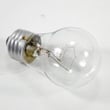
The full model number ensures we match the correct wall oven parts and diagrams, especially for items like the oven temperature sensor, door hinge assembly, or oven light bulb.
| Location | What to do | When it helps |
|---|---|---|
| Front frame behind oven door | Look along the frame where the door seals | Most common spot for this model family |
| Door rim | Inspect the door edge and corners | If the frame label is missing or worn |
| Inside side panels | Look just inside the cavity walls | If the label was moved or replaced |
Last updated: January 2026
What is the best brand for electric wall ovens?
There is no single “best” brand for every kitchen; the best electric wall oven brand is the one that fits your cutout size, cooking features, and service support. For Kenmore model 91141065690, we recommend using the 91141065690 owner's manual to confirm features (self-clean, controls, racks) before comparing brands.
When customers ask this, we focus on fit, performance, and long-term ownership, not just ratings.
- Fit first: confirm 30-inch built-in wall oven cutout requirements and electrical needs
- Cooking results: look for even baking, broil performance, and temperature stability
- Controls: choose a control style you will actually use (basic keypad vs. smart features)
- Service and parts: pick a brand with strong parts availability and local service
- Cleaning: self-clean vs. manual-clean preferences and how often you will use it
Use this as a practical way to compare Kenmore, GE, Bosch, Café, Thermador, and others.
| What you care about most | What to prioritize | What to verify before buying |
|---|---|---|
| Reliable everyday baking | Temperature consistency, solid insulation | Independent oven thermometer test results, warranty terms |
| Faster, more even cooking | Convection features and fan design | Convection modes and rack positions |
| Easy ownership | Parts and service network | Parts availability for common wear items |
| Premium features | Advanced modes, better finishes | Cutout compatibility and electrical requirements |
A wall oven is a built-in appliance; if the cabinet cutout, wiring, or ventilation does not match, even a top-rated brand becomes a difficult install. Confirming your current Kenmore 91141065690 setup helps you compare replacements accurately and avoid costly fit issues.
If your current oven has issues that are driving the replacement decision, common repair-related items include the oven temperature sensor and cooling fan. For example, a failed sensor can cause inaccurate temperatures, and a weak fan can lead to overheating symptoms.
Last updated: January 2026
Are all 30 inch wall ovens the same size?
No. “30-inch” wall ovens are grouped by nominal width, but the actual oven cabinet width and the required cutout dimensions can vary by brand and model. For Kenmore model 91141065690, use the cutout and clearance specs in the 91141065690 owner's manual before ordering cabinets or replacing the oven.
A 30-inch wall oven is designed to fit a 30-inch class opening, but manufacturers use slightly different:
- Overall cabinet width (the oven box)
- Trim or face width (what you see from the front)
- Cutout width, height, and depth (the opening in the cabinet)
- Required clearances for airflow and safe operation
Measure the cabinet opening, not the old trim.
- Cutout width: inside left to inside right of the opening
- Cutout height: inside top to inside bottom of the opening
- Cutout depth: front of cabinet to back wall (account for any protrusions)
- Clearances: space around the oven for heat and wiring
- Electrical: confirm the junction box location and slack in the conduit
| Dimension type | What it affects | Why it varies |
|---|---|---|
| Cutout width/height/depth | Whether the oven physically fits | Different cabinet designs and insulation |
| Front trim size | Whether it covers gaps | Trim styles and door designs |
| Door swing and handle depth | Whether it hits drawers/doors | Handle style and hinge geometry |
| Venting/airflow space | Overheating and performance | Cooling fan and vent routing |
If the cutout is even slightly off, the oven may not slide in fully, the trim may not cover gaps, or airflow can be restricted. That can lead to poor baking performance and overheating around the control area.
Last updated: January 2026