 Installation guide
 Owner’s manual
 Error Codes
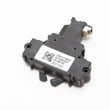


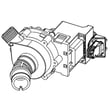


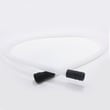
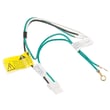
Can I replace dishwasher parts myself?
Yes, many parts on your GE PDT750SSF2SS dishwasher are DIY-replaceable if you’re comfortable working safely with water and electricity. We recommend using the PDT750SSF2SS installation guide for leveling, hose routing, and leak checks so the dishwasher runs correctly after the repair.
What you can usually replace yourself
These repairs are typically straightforward with basic hand tools:
- Door hardware such as the latch and strike
- Rack hardware such as rollers, clips, and slide components
- Some hoses and clamps (when you can access them safely)
- Toe panel and insulation pieces
- Simple leak-prevention items (gaskets, drip pan components)
Repairs that often require more skill
These jobs are more involved because they can require electrical testing, tight clearances, or careful reassembly:
- Pump and motor related repairs
- Control panel or electronic control housing work
- Flood protection and leak sensor related troubleshooting
Safety steps we follow before any DIY repair
- Turn off power at the breaker (dishwashers can still have live voltage even when “off”).
- Shut off the water supply under the sink.
- Protect the floor and plan for water spillage (towels, shallow pan).
- Keep the drain hose from kinking or getting pinched when sliding the unit.
- After reassembly, run a test cycle and check for leaks.
Quick examples of model-matched parts you might replace
| Symptom | Common DIY check | Example part for PDT750SSF2SS |
|---|---|---|
| Door won’t latch or start | Inspect latch and strike alignment | GE dishwasher door latch lock WD21X10490 or dishwasher door latch strike WD13X10071 |
| Water on floor | Look for leaks at door/tub edge and underneath | Dishwasher tub gasket (model-matched) or drip pan |
| Not draining well | Check for kinked drain hose and disposer plug | Dishwasher drain hose |
Why it matters
A dishwasher that is not level, has a pinched drain hose, or is reinstalled without a careful leak check can develop door fit issues, rack rolling problems, and leaks. The installation steps for leveling and post-repair leak testing help prevent repeat failures.
Last updated: February 2026
What is the average lifespan of a GE dishwasher?
A GE dishwasher typically lasts about 10 years with normal household use. For your GE PDT750SSF2SS, consistent cleaning, correct detergent use, and fixing small leaks or drain issues early are the biggest factors in reaching (or beating) that average; see the PDT750SSF2SS installation guide for setup details that help prevent avoidable wear.
Typical lifespan and what affects it
Most GE dishwashers land in the 8 to 12 year range; 10 years is the practical average.
- Hard water and heavy daily loads shorten life by stressing the pump, heater, and seals
- Poor draining or standing water accelerates odor, corrosion, and motor strain
- Leaks can damage wiring and trigger safety shutoffs
- Incorrect installation (pinched hoses, poor leveling) increases noise and vibration
- Regular maintenance (filters, spray arms, tub cleaning) reduces load on the wash system
Maintenance that extends service life
Use these habits to reduce wear on key components like the drain pump, diverter, and door seal.
- Clean the filter area and remove debris that can restrict circulation
- Run a dishwasher cleaner monthly (or more often with hard water)
- Keep the drain path clear and avoid kinks; replace a damaged hose with the dishwasher drain hose WD24X10062
- Check the door closing and latch engagement; a weak latch can cause no-start or mid-cycle stops
- Level the dishwasher and keep utility lines from being crushed behind the unit
Quick “wear vs. fix” guide
| Symptom | Most common cause | What to check first |
|---|---|---|
| Won’t start | Door not latching | Latch and strike alignment |
| Not draining | Blocked drain path | Hose routing, sink/disposal connection |
| Leaks at door | Worn seal or misalignment | Tub gasket and door closure |
| Loud grinding | Debris in pump area | Filter/sump area cleaning |
Why it matters
A dishwasher that drains freely, seals tightly, and sits level runs with less strain. That reduces repeat overheating, pump overload, and nuisance shutoffs, which are common reasons dishwashers fail before the 10-year mark.
Last updated: February 2026
What is the most common problem with GE dishwashers?
The most common GE dishwasher problem is a no-start condition (the dishwasher has power but will not run). On GE model PDT750SSF2SS, this is most often tied to the door not fully latching, a control issue, or a power interruption; start with the door latch checks in the PDT750SSF2SS installation guide.
Quick checks we recommend first
- Confirm the door closes firmly and sits square in the cabinet opening (a misaligned tub or trim can prevent a solid latch).
- Reset power: turn the breaker off for 1 minute, then back on.
- Make sure the dishwasher is level and not twisted in the opening (twist can bind the door).
- Check that the tub trim is fully seated and not contacting the door.
- Verify the drain hose is not pinched behind the unit (pinched lines can trigger abnormal operation).
Parts that commonly cause a “won’t start” complaint
If the door feels loose, won’t click shut, or the cycle stops when you bump the door, these parts are common fixes:
- GE dishwasher door latch lock WD21X10490
- Dishwasher door latch strike WD13X10071
- Dishwasher door spring WD03X20316 (if the door drops or will not stay closed)
| Symptom | Most likely area | What to look for |
|---|---|---|
| No response when pressing Start | Power or control | Breaker reset, control panel lights, stuck keys |
| Starts only when pushing on door | Door latch system | Latch not engaging, strike misaligned |
| Stops mid-cycle, beeps, or acts erratic | Door switch/latch or control | Door not fully closed, intermittent latch |
Error codes can narrow it down fast
If your PDT750SSF2SS shows a code or blinking pattern, use our GE electronic dishwasher error codes reference to match the code to the failed circuit (door, drain, fill, heating, or control).
Why it matters
A dishwasher that is not square and level can keep the door from latching consistently. That leads to no-start complaints, mid-cycle stops, and unnecessary part replacements. The installation checks (tub trim clearance, level, and alignment) prevent repeat failures.
Last updated: February 2026





