Owner’s manual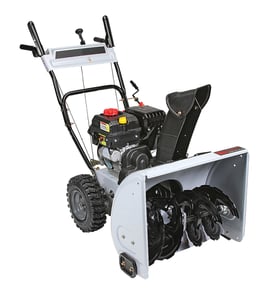






Is the Husqvarna ST227P-96193009703 easy to start?
Yes. The Husqvarna ST227P-96193009703 is designed to be easy to start because it includes both a 120V electric starter (push-button) for cold starts and a recoil (pull) starter as a backup; the starting steps are clearly laid out in the st 227 p operator’s manual.
What makes starting easier on this model
The manual calls out features and steps that reduce “no-start” frustration, especially in cold weather.
- Electric start uses standard 120V AC household current (3-wire grounded)
- Recoil start is available if you cannot use an outlet
- Clear cold-start sequence: key, throttle, switch, choke, primer, then start
- Primer guidance helps prevent flooding (over-priming can stop the engine from starting)
- Warm-up note helps set expectations (full power comes after warming up)
Quick start checklist (cold start)
Use this as a fast reference; follow the detailed procedure in the manual for your exact conditions.
- Fuel shut-off valve set to OPEN
- Insert the safety ignition key until it clicks
- Throttle set to FAST
- ON/OFF switch set to ON
- Choke set to FULL, then prime 3 times
- If using electric start: use an outdoor-rated extension cord (50 ft max) and press the starter button
Electric start vs recoil start
| Starting method | Best for | What you need | Common mistake to avoid |
|---|---|---|---|
| 120V electric start | Cold starts, quick starts | Grounded 120V outlet, outdoor extension cord | Cranking longer than 5 seconds per attempt |
| Recoil start | No outlet available | Pull cord and proper choke/prime settings | Over-priming and flooding the engine |
Why it matters
An “easy start” snowblower saves time and reduces wear on the starter system. Following the correct choke and primer steps also helps prevent fuel flooding, which is one of the most common reasons a gas snowthrower will not start.
Last updated: January 2026
What kind of gas does a Husqvarna ST227P take?
The Husqvarna ST227P-96193009703 gas snowthrower uses fresh, clean regular unleaded gasoline (minimum 87 octane), and it allows up to 10% ethanol (E10). Do not use fuel with more than 10% ethanol; it can damage the fuel system and is not recommended for this model. See the ST227P-96193009703 owner's manual for the exact fuel guidance and safety steps.
Fuel type and what to avoid
Use these guidelines to prevent hard starting, poor performance, and fuel system damage:
- Use unleaded regular gasoline, 87 octane or higher.
- Use gasoline with up to 10% ethanol (E10).
- Avoid E15, E20, E85, or any fuel labeled flex fuel.
- Do not mix oil with gasoline (this is a 4-cycle engine setup).
- Buy fuel you can use within 30 days to keep it fresh.
How much gas it holds
The operator manual lists the fuel capacity for this model.
| Spec | Value |
|---|---|
| Gasoline capacity | 0.35 gallons (1.33 liters) |
| Recommended fuel | Unleaded regular |
| Minimum octane | 87 |
Storage and stale-fuel prevention
If the snowblower will sit for 30 days or longer, fuel care matters as much as the fuel type.
- Run the engine until the fuel lines and carburetor are empty before long storage.
- A fuel stabilizer is an acceptable alternative to help reduce gum deposits.
- If you add stabilizer, run the engine about 10 minutes so treated fuel reaches the carburetor.
- Never put engine or carburetor cleaner into the fuel tank.
Why it matters
Using the right gasoline (fresh 87-octane unleaded, E10 or less) helps your ST227P-96193009703 start easier, run smoother under load, and reduces carburetor and fuel-hose problems caused by moisture and fuel breakdown.
Last updated: January 2026
How many years should a snowblower last?
A gas snowblower like the Husqvarna ST227P-96193009703 typically lasts 15 to 20 years with normal residential use and consistent maintenance. Lifespan is driven less by age and more by how well the engine, belts, and moving pivot points are maintained and stored each off-season (see the ST227P-96193009703 owner's manual).
What most affects snowblower lifespan
We see the longest-lasting machines when owners stay on top of routine service and storage.
- Oil checks and oil changes: check oil before use; change oil about every 25 operating hours or at least yearly
- Belt condition: inspect for wear regularly; replace if slipping or worn
- Lubrication: grease pivot points and interlock areas on schedule
- Fasteners and controls: tighten loose hardware; confirm controls operate correctly before each use
- Cleaning and storage: keep the housing clean and store dry; avoid spraying water into engine/electrical areas
Typical lifespan by type (quick comparison)
| Snowblower type | Typical lifespan | What usually ends it first |
|---|---|---|
| Gas, mid to heavy-duty (like ST227P-96193009703) | 15 to 20 years | Belts, friction/drive wear, carburetor fuel issues |
| Gas, light-duty | 10 to 15 years | Drive system wear, corrosion, neglected maintenance |
| Electric (corded/battery) | 8 to 12 years | Motor/electronics, battery aging (battery models) |
Maintenance habits that add years
These are the highest-impact habits we recommend for a Husqvarna gas snowthrower.
- Replace the spark plug at the beginning of each season (or about every 100 hours)
- Check belts for deterioration about every 50 hours; replace if worn (example: snowblower drive belt, 38.2-in 584216102)
- Keep tires inflated to the typical range listed in the manual (often around 14 to 17 PSI)
- Lubricate key points at the start of the season or about every 25 hours
- Prepare for off-season storage if it will sit 30 days or more (clean, inspect belts, lubricate)
Why it matters
A snowblower that is maintained on schedule starts easier, throws snow more consistently, and avoids expensive failures like premature belt wear or engine damage from low oil. Good storage practices also prevent fuel and corrosion problems that shorten service life.
Last updated: January 2026