Error Codes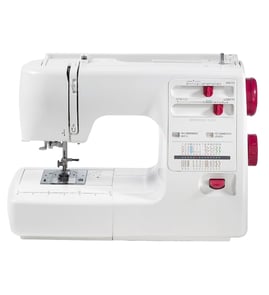

Are old electric sewing machines worth anything?
Yes. Old electric sewing machines often have resale value, especially when they still sew smoothly and include original accessories. For a Singer sewing machine like model QUANTUM, value depends most on condition, completeness (foot pedal, power cord, presser feet), and whether it runs without noise, binding, or skipped stitches.
- Working condition: steady motor speed, consistent stitch formation, no burning smell
- Completeness: pedal, cords, bobbin case, needle plate, presser feet, attachments
- Cosmetic condition: minimal rust, clean decals/finish, intact knobs and covers
- Service history: recently cleaned and lubricated machines sell more easily
- Desirability: some vintage lines and specialty stitches/attachments increase demand
| Condition level | What it means | Typical impact on value |
|---|---|---|
| As-is / not running | Motor hums, locks up, or won’t power on | Lowest; often parts or repair project |
| Running but needs tuning | Runs, but tension issues, sluggish, or noisy | Mid-low; value rises after service |
| Fully functional | Smooth feed, balanced tension, normal sound | Mid-high; easiest to sell |
| Fully functional + accessories | Includes case, feet, manuals, extras | Highest for this type |
- Test basic operation: straight stitch and zigzag on cotton fabric.
- Listen and feel: grinding, knocking, or binding lowers value.
- Check stitch quality: look for skipped stitches, looping, or frequent thread breaks.
- Confirm included items: pedal and power cord are big value drivers.
- Decide whether to service first: a basic clean-out and correct threading often improves performance.
Older electric machines can be excellent, durable stitchers, but buyers pay for reliability. A machine that “runs” but has feed, tension, or lock-up problems is usually priced like a repair project. If yours binds or freezes during sewing, start with our sewing machine locks up troubleshooting steps.
Last updated: February 2026
What is the most sought after vintage Singer sewing machine?
The most sought-after vintage Singer sewing machine is typically the Singer Featherweight, especially the Model 221 and the rarer 222K (free-arm). Collectors value them for portability, smooth stitching, and strong demand for original condition machines with accessories.
- Singer Featherweight 221: the most widely collected; high demand in many finishes
- Singer Featherweight 222K: rarer free-arm version; often the top “wish list” machine
- Singer Model 201: prized for stitch quality and all-metal build
- Early “turtleback” style machines: valued for age, design, and historical appeal
- Special decals and limited runs: certain commemorative or uncommon finishes can raise demand
These factors usually matter more than the cabinet or case:
| Factor | What to look for | Why it matters |
|---|---|---|
| Condition | Clean, minimal corrosion, intact paint/decals | Collectors pay more for originality |
| Completeness | Foot pedal, power cord, case, attachments | Missing accessories reduce desirability |
| Rarity | 222K, uncommon finishes, early production | Scarcity increases demand |
| Serviceability | Smooth handwheel, consistent stitch | A great-running machine is easier to keep |
- Turn the handwheel by hand; it should rotate smoothly without binding
- Inspect wiring and the foot controller for cracking or heat damage
- Check that the bobbin area is clean and the hook area is not gouged
- Verify the presser foot lifts and the feed dogs move evenly
- Confirm the serial number plate is present and readable
If you are comparing a vintage collectible to a modern Singer QUANTUM sewing machine, the “most sought-after” label is about collector demand and rarity, not everyday features like stitch selection or electronic controls. For repair and maintenance help on common sewing machine issues, we use our DIY symptom resources such as sewing machine common questions.
Last updated: February 2026
What are common problems with Singer machines?
Common problems on Singer sewing machines (including model QUANTUM) are usually caused by setup and maintenance issues: incorrect threading, tension imbalance, a bent or wrong needle, or lint in the bobbin area. These problems show up as skipped stitches, thread bunching (bird nesting), thread breaks, or fabric not feeding.
- Skipped stitches: needle is bent/dull, wrong needle type/size, or machine is threaded with the presser foot down
- Thread bunching under fabric: upper thread not seated in tension discs, bobbin not inserted correctly, or top thread path missed a guide
- Top or bobbin thread breaking: tension too tight, burr on needle plate/hook area, old thread, or needle too small for fabric
- Fabric not moving: presser foot pressure issue, feed dogs lowered, stitch length set too low, or lint packed in feed dogs
- Machine locks up or feels jammed: thread wrapped in hook/bobbin area, needle strike, or debris in the race
- Rethread the top thread with the presser foot up, then lower the foot and test.
- Replace the needle (new, correct type and size for your fabric).
- Remove the bobbin and clean lint from the bobbin case/hook area; reinsert the bobbin correctly.
- Reset tension to a normal baseline (most machines sew best near the mid-range setting), then fine-tune.
- Test on scrap fabric using quality thread and a straight stitch.
| Symptom | Most likely cause | Best first step |
|---|---|---|
| Bird nesting | Upper threading issue | Rethread with presser foot up |
| Skipping stitches | Needle problem | Install a new needle |
| Fabric not feeding | Feed dogs/pressure/lint | Clean feed dogs and check settings |
| Locks up | Hook area jam | Clear thread and debris in bobbin area |
Most “Singer problems” are preventable. Correct threading and a fresh needle protect the hook timing, reduce jams, and keep stitch quality consistent, especially when switching fabrics (denim, knits, quilting cotton).
- Use our sewing machine common questions guide for setup checks that solve the majority of stitch and tension complaints.
- If the machine binds or jams repeatedly, follow the steps in sewing machine locks up.
Last updated: February 2026
What is the most trouble-free sewing machine?
The most trouble-free sewing machines are simple, well-built mechanical models with fewer electronics to fail, plus higher-quality computerized machines that are maintained correctly. For your Singer QUANTUM XL-1 electronic sewing machine, “trouble-free” usually comes from correct threading, routine cleaning, and using the right needle and thread for the fabric.
A sewing machine feels trouble-free when it:
- Starts and runs smoothly every time (motor and foot control respond consistently)
- Feeds fabric evenly (feed dogs and presser foot pressure work correctly)
- Forms balanced stitches without constant tension changes
- Avoids jams, birdnesting, and frequent thread breaks
- Holds timing and needle alignment over time
| Machine type | Why it’s low-hassle | Best for |
|---|---|---|
| Mechanical (basic stitch set) | Fewer sensors and circuit boards; simpler adjustments | Everyday sewing and repairs |
| Quality computerized | Consistent stitch control; convenience features | Garment sewing, quilting, decorative stitches |
| Heavy-duty mechanical | Stronger drive system; handles thicker materials better | Denim, canvas, multiple layers |
When comparing Singer, Brother, Janome, Juki, Bernina, and similar brands, focus on:
- The simplest feature set you will actually use (fewer systems to troubleshoot)
- Easy bobbin-area access for lint removal and inspection
- Common needle system and readily available bobbins
- Smooth low-speed control (reduces jams and needle deflection)
- A solid maintenance routine (cleaning and correct oiling where applicable)
Most “unreliable machine” complaints come from setup and wear items: incorrect thread path, wrong needle size/type, lint buildup in the hook area, or tension imbalance. A machine that is easy to thread, easy to clean, and stable at slow speeds is the most trouble-free day to day.
Match the symptom to a proven fix path; start with sewing machine common questions or use a symptom guide like sewing machine locks up.
Last updated: February 2026