Owner’s manual
 View engine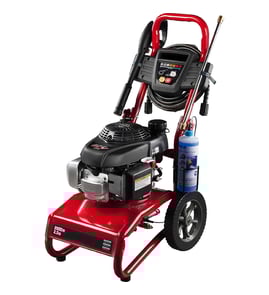



Can you put 87 gas in a pressure washer?
Yes. For the Craftsman pressure washer model 580752220, we use clean, fresh unleaded gasoline with a minimum of 87 octane (87 AKI). That means regular 87 gas is correct for normal operation when you follow the fuel guidance in the 580752220 owner's manual.
Fuel requirements for model 580752220
Use fuel that meets these basics:
- Clean, fresh, unleaded gasoline
- 87 octane (87 AKI) minimum
- Up to 10% ethanol (gasohol) is acceptable
- Up to 15% MTBE is acceptable
- Do not use E85 or other unapproved fuels
What about higher octane (88, 89, 91, 93)?
Higher octane fuel is fine, but it typically does not increase cleaning power or pressure. Your pump pressure and flow are determined by the pressure washer design (this model is rated up to 2,700 PSI and 2.3 GPM), not by using premium gas.
| Fuel choice | Works in 580752220? | When it makes sense |
|---|---|---|
| 87 octane (regular) | Yes (recommended minimum) | Everyday use |
| 89 to 93 octane (mid/premium) | Yes | If it is the only fresh fuel available |
| E85 | No | Avoid to prevent fuel system issues |
Best practices to prevent starting and performance problems
- Buy fuel in small quantities so it stays fresh
- Add fuel stabilizer if the washer will sit for more than a few weeks
- Never mix oil into the gasoline (this is not a 2-cycle mix requirement)
- If the engine starts running poorly after refueling, switch gas stations or brands
Why it matters
Using the correct gasoline helps the engine start easier, run smoothly under load, and reduces varnish and gum buildup in the carburetor and fuel system during storage.
Last updated: January 2026
How to tell if your pressure washer pump is bad?
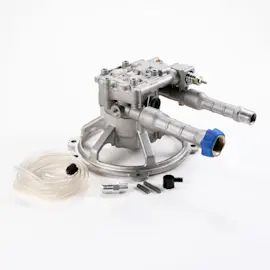
On the Craftsman 580752220 gas pressure washer, a bad pump usually shows up as low or surging pressure, water leaking at the pump head, or the pump getting unusually hot when you are not spraying. Confirm the basics first (water supply, hose, nozzle) before replacing the pump; see the 580752220 owner's manual.
Quick signs the pump is failing
- Pressure is weak even with the throttle in FAST and a clean nozzle
- Pressure pulses or surges while holding the trigger steadily
- Water leaks from the pump head or fittings (not just a loose connection)
- Loud grinding, rattling, or knocking from the pump area
- Pump overheats quickly, especially if you idle 3 to 5 minutes without spraying (thermal relief may dump hot water)
Rule out common look-alikes first (fast checks)
- Nozzle: Try a different spray tip; a worn tip can cause low pressure. If you need a replacement, use the correct pressure washer spray nozzle 195983XGS.
- Water supply: Use cold water (under 100°F) and a garden hose 50 ft or less; flush the hose for 30 seconds before connecting.
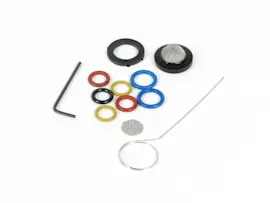
- Inlet screen: Inspect and clean the inlet screen; do not run the washer if the screen is damaged or missing.
- Hose and connections: Tighten the high-pressure hose to the pump outlet by hand; check for kinks, cuts, or bulges.
What the symptoms usually mean
| Symptom | Most likely cause | What to do next |
|---|---|---|
| Low pressure all the time | Worn pump valves/seals, internal wear | Verify nozzle and inlet screen; then plan pump service/replacement |
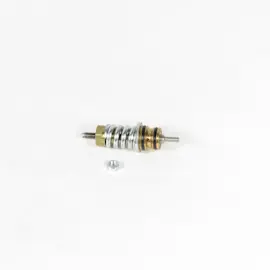
| Pressure surges | Air in supply, clogged inlet screen, sticking unloader | Check supply and screen; review how to replace a pressure washer unloader valve |
| Water leaking at pump head | Failed seals or cracked head | Stop using; inspect for visible cracks and seal leaks |
| Hot water dumping on ground | Thermal relief activating from overheating | Avoid idling without spraying; if it happens during normal use, suspect pump issues |
Why it matters
Running with a failing pump can shorten pump life fast and can create unsafe high-pressure behavior. Always relieve pressure before handling hoses or nozzles: point the spray gun in a safe direction and squeeze the trigger to release trapped pressure.
Last updated: January 2026
What PSI should my pressure washer be?
For Craftsman gas pressure washer model 580752220, the rated maximum outlet pressure is 2,700 PSI. In real use, you control effective cleaning pressure by choosing the right spray tip and working distance; confirm operating details in the 580752220 owner's manual.
Rated PSI vs. what you actually use
Your washer can produce up to its rated PSI, but you should match pressure to the surface to avoid damage and get better cleaning.
- Use a wider fan pattern first; increase only as needed
- Keep the wand moving; avoid dwelling in one spot
- Increase cleaning power by moving closer in small steps
- Use narrow tips only on durable surfaces (concrete, some masonry)
- Maintain strong water supply; low inlet flow reduces pressure
Practical PSI guidance by task
These are typical effective-pressure targets for homeowner cleaning; always test a small area first.
| Task | Typical effective PSI range | Tip and technique |
|---|---|---|
| Cars, patio furniture | 1,200 to 1,900 | Wide fan, more distance |
| Siding, fences | 1,500 to 2,500 | Medium fan, steady passes |
| Decks | 1,500 to 2,500 | Medium fan, keep moving |
| Concrete/driveway | 2,500 to 3,000 | Narrower fan, consistent overlap |
If pressure seems low on model 580752220
Low pressure is usually water supply, air in the pump, or a restricted nozzle.
- Supply water at the hose end at 20 PSI minimum and strong flow (the manual calls for more than 3.3 GPM supply capability)
- Turn water ON, then hold the trigger until flow is steady to purge air
- Check the inlet screen and hose for kinks, collapse, or leaks
- Clean or replace a worn/clogged tip; use a correct-fit pressure washer spray nozzle 195983XGS
- Inspect the high-pressure hose for bulges or internal damage; replace if needed
Why it matters
Using only the pressure you need prevents wood etching and paint stripping, and it helps the pump run cooler by maintaining proper water flow.
Last updated: January 2026