Owner’s manual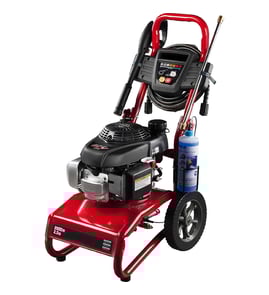




Is it worth repairing a pressure washer?
Yes, repairing a Generac 1675-0 gas pressure washer is worth it when the problem is a wear item (hose leaks, worn o-rings, clogged inlet screen, nozzle issues) or routine maintenance; it is usually not worth it when the pump or engine has major internal damage and the repair cost approaches replacement.
Quick way to decide (cost vs. benefit)
Use this checklist before you buy parts:
- Repair it if the unit starts and runs, but you have leaks, low pressure, or poor spray pattern.
- Repair it if the fix is a simple external part (hose, o-ring, nozzle, handle hardware).
- Repair it if the issue is maintenance-related (dirty inlet screen, detergent tube filter clogged, seasonal tune-up).
- Replace it if the pump was run without water and now won’t build pressure (pump damage is common in that situation).
- Replace it if the engine has persistent power loss, heavy smoke, or won’t start after basic maintenance.
For model-specific operating and maintenance requirements (like hose connection and water-on rules), follow the 1675-0 owner's manual.
Common “worth repairing” problems on this model
These are frequent, lower-risk repairs that restore performance:
| Symptom | Likely cause | Typical fix |
|---|---|---|
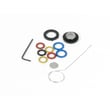
| Water leaking at connections | Worn o-rings or washer | Replace seals; inspect fittings |
| Low pressure or surging | Clogged nozzle or inlet screen | Clean nozzle, clean inlet screen |
| Hose bulging, cuts, or leaks | Worn high-pressure hose | Replace the hose (do not patch) |
| Detergent not siphoning | Clogged siphon filter or wrong nozzle | Clean filter; use low-pressure black nozzle |
If you’re seeing hose damage or leaks, replacing the hose 84006753 is often a practical repair because high-pressure hoses should be replaced immediately when worn.
Why it matters
A pressure washer that leaks or has a compromised hose can be unsafe, and running the pump without water can permanently damage it. Keeping up with routine checks (hose condition, inlet screen, o-rings) protects the pump and helps the machine last longer.
Last updated: February 2026
Where is the model number on a Generac pressure washer?
On the Generac pressure washer model 1675-0, the model number is typically printed on a label located on or near the recoil starter housing (the pull-start area). On some units, you may also find it under the engine shroud/cover; confirm the exact label location using the 1675-0 owner's manual.
How to find it quickly
- Look at the recoil starter area first (where the starter rope comes out).
- Check the engine shroud/cover for a sticker or metal tag.
- Wipe dirt and oil off the label so all characters are readable.
- Write down the full model number exactly as shown (including dashes).
- If there is also an engine model label, record that too for engine-specific parts.
What to write down (and why)
Pressure washers often have more than one identifying label. Recording the right numbers helps us match the correct Generac parts diagrams and avoid ordering the wrong hose, nozzle, or pump parts.
| Label you find | What it’s used for | Example for this unit |
|---|---|---|
| Pressure washer model label | Frame, pump, hose, spray gun, fittings | 1675-0 |
| Engine model label | Tune-up and engine parts (spark plug, carburetor items) | Varies by engine |
Why it matters
Even small differences in a model number can change the correct replacement parts (for example, the high-pressure hose connection style or nozzle setup). Using the exact model number speeds up parts lookup and reduces returns.
Last updated: February 2026
What motor is on a Generac pressure washer?
The Generac 1675-0 gas pressure washer uses a 4-stroke gasoline engine (no fuel and oil mixing). Your model is rated at 2,400 PSI, and the engine drives the pump to create pressure; engine size is typically matched to the washer’s PSI rating. See the 1675-0 owner's manual for the exact engine details and specifications.
What “motor” means on a gas pressure washer
On a gas unit like the Generac 1675-0, customers often say “motor” when they mean the engine. The engine powers the pump, and the pump creates the water pressure.
Key components you will see referenced:
- Engine (4-stroke): runs on gasoline; oil is filled separately
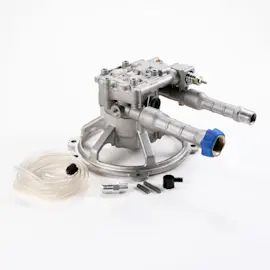
- Pump: develops high pressure
- Recoil starter: manual pull-start system
- Throttle lever: sets starting/run speed and stops the engine
- Spray gun and nozzles: control and shape the spray pattern
Quick identification checklist (what to look for on the machine)
Use these common ID points to confirm what engine you have:
- Engine brand label and model sticker on the recoil housing or valve cover area
- Engine displacement (cc) and/or horsepower marking
- Spark plug type listed on the engine label
- Air filter cover shape and part markings
- PSI rating on the pressure washer frame label (your manual lists 2,400 PSI)
Typical engine types you’ll see (and what they imply)
| Pressure washer type | Typical “motor” type | Fuel and oil setup |
|---|---|---|
| Gas pressure washer (like 1675-0) | 4-stroke gasoline engine | Separate gasoline and crankcase oil |
| Electric pressure washer | Electric motor | No gasoline; no engine oil |
Why it matters
Knowing the correct engine type helps you buy the right maintenance parts (spark plug, air filter, fuel system items) and follow the correct starting and storage steps. For example, proper storage and pump protection helps prevent freeze damage and corrosion.
If you’re also troubleshooting performance issues (surging, bogging, or no-start), our pressure washer won't start and pressure washer engine losing power guides walk through the most common causes.
Last updated: February 2026
Is Generac a good pressure washer?
Yes. Generac pressure washers are a solid choice for most homeowners because they’re built for routine outdoor cleaning and have clear maintenance and storage procedures. For the Generac 1675-0 (2,400 PSI), following the care steps in the 1675-0 owner's manual is what keeps performance strong season after season.
What “good” means for the Generac 1675-0
A pressure washer is “good” when it starts reliably, maintains steady pressure, and avoids pump damage. The 1675-0 is designed for typical home tasks, and the manual highlights practical limits and care points that support long service life.
Key model-specific points from the manual
- Rated at 2,400 PSI (model 1675-0)
- Use pressure-washer-approved detergent
- Keep water supply temperature at or below 100°F
- Protect the pump from freezing; use pump saver for storage
How to keep it running like a “good” pressure washer
Most “bad pressure washer” complaints come from clogged nozzles, restricted water supply, worn seals, or skipped maintenance.
- Check engine oil level before each use
- Inspect and clean the water inlet screen/strainer
- Use adequate water flow; avoid kinks and air leaks in the inlet hose
- Clean the spray tip/nozzle if pressure pulses or drops
- Winterize for storage; freezing can permanently damage the pump
Quick troubleshooting: symptom to likely cause
| Symptom | Common cause | What to do first |
|---|---|---|
| Low or surging pressure | Clogged nozzle or inlet restriction | Clean nozzle; check inlet screen |
| Engine hunts/falters | Dirty air filter or fuel issue | Service air filter; refresh fuel |
| Won’t start | Low oil, stale gas, spark plug issue | Check oil; replace fuel; inspect plug |
Parts that often affect performance
If you’re chasing leaks, pressure loss, or connection issues, these are common wear items to inspect.
- Hose 84006753 for cracks, bulges, or coupling leaks
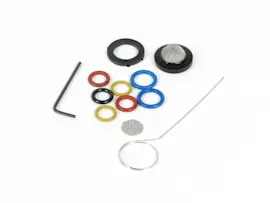
- O-rings and seals at quick-connects and pump fittings
- Spray nozzle condition and cleanliness
Why it matters
A well-maintained pump and a clean water path (hose, inlet screen, nozzle) prevent pressure drop, overheating, and freeze damage. That is what separates a pressure washer that feels “great” from one that feels weak or unreliable.
Last updated: February 2026