

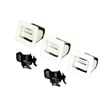
Can I search for Whirlpool parts by model?
Yes. For your Whirlpool dryer model LG6811XSW0, searching by the full model number is the most reliable way to get compatible replacement parts because it filters results to the exact diagrams and part listings built for that dryer.
How to search by model number (best practice)
- Use the complete model number: LG6811XSW0 (letters and numbers matter).
- Start with the most common wear items first (belt, idler pulley, lint screen) if you are diagnosing a symptom.
- Match the part by name and ID, not just by looks.
- If multiple versions appear, choose the one that explicitly lists your model.
- When in doubt, compare your old part to the listing photos and mounting details.
Common LG6811XSW0 parts customers look up
These are frequently searched parts for this Whirlpool dryer model:
| Symptom or need | Part to check | Example part anchor |
|---|---|---|
| Drum not turning | Drum belt | Drum belt 341241 |
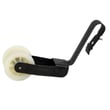
| Squealing or belt slipping | Idler pulley | Dryer idler pulley WP691366 |
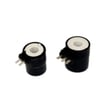
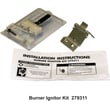
| No heat (gas model) | Igniter or coils | Dryer igniter 279311 / dryer gas valve coil kit 279834 |
| Poor airflow, long dry times | Lint screen | Dryer lint screen 339392V |
Why it matters
Whirlpool often uses similar-looking parts across many dryer series, but mounting points, wiring connectors, and lengths can differ. Searching by LG6811XSW0 helps prevent ordering a part that fits a different Whirlpool dryer and causes repeat breakdowns.
Helpful DIY reference
If you are troubleshooting by symptom (instead of replacing a known-bad part), use our guide: easy diy dryer repairs.
Last updated: February 2026
What's the average lifespan of a Whirlpool dryer?
A Whirlpool dryer like model LG6811XSW0 typically lasts 10 to 13 years with normal household use. Regular airflow maintenance (lint screen and venting) and fixing wear items early can push service life longer and help prevent motor, belt, and heat-related failures.
What affects dryer lifespan the most
- Airflow and venting: restricted exhaust makes the dryer run hotter and longer.
- Load size: frequent overloading strains the drum support, belt, and motor.
- Heat system health (gas models): weak ignition or cycling issues increase run time.
- Routine cleaning: lint buildup inside the cabinet accelerates wear.
- Timely part replacement: replacing a worn belt or idler early prevents bigger damage.
Typical lifespan by usage pattern
| Usage pattern | Typical lifespan | What usually wears first |
|---|---|---|
| Light (few loads/week) | 12 to 15 years | Belt, idler pulley, door switch |
| Average (most households) | 10 to 13 years | Belt, rollers/idler, blower wheel |
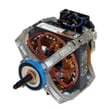
| Heavy (daily loads) | 7 to 10 years | Motor, drum support parts, heat components |
Maintenance that adds years (and saves drying time)
- Clean the lint screen every load; replace a damaged screen such as the dryer lint screen 339392V.
- Keep the vent run short and clear; clean the entire duct periodically.
- Avoid overloading; heavy loads stretch the belt and stress the idler.
- If you hear squealing or thumping, inspect the belt path and idler; common wear parts include the drum belt 341241 and dryer idler pulley WP691366.
- For gas dryers that stop heating mid-cycle, check ignition components; the dryer gas valve coil kit 279834 is a common fix when the burner lights once and then quits.
Why it matters
A dryer near the end of its lifespan often shows up as long dry times, overheating, or no-heat symptoms. Addressing airflow restrictions and replacing inexpensive wear parts early helps protect higher-cost components like the drive motor and blower system.
Last updated: February 2026
What are the common problems with Whirlpool dryers?
Common Whirlpool dryer problems (including Whirlpool model LG6811XSW0) are no-start, no-heat, not tumbling, loud squealing or thumping, and long dry times. Most issues trace to airflow restrictions, a worn drive system, or a failed ignition or motor component.
Most common symptoms and what usually causes them
- Dryer will not start: door switch not closing, failed start circuit, or a worn drive motor
- Drum not spinning: broken belt, seized drum support, or a bad idler pulley
- No heat (gas models): failed igniter, weak gas valve coils, or a faulty radiant sensor
- Long dry times: clogged lint screen, blocked venting, or a damaged blower wheel
- Noisy operation: worn belt, idler pulley wear, or drum support wear
- Door won’t stay closed: latch/strike wear
Parts that commonly fix these problems on LG6811XSW0
If your symptom matches, these are frequent repair parts for this model:
- Not tumbling or squealing: drum belt 341241
- Squealing, belt slipping, or intermittent tumbling: dryer idler pulley WP691366
- No heat or heat cuts out (gas): dryer gas valve coil kit 279834
- No ignition (gas): dryer igniter 279311
- No heat after ignition attempt (gas): dryer radiant sensor WP338906
Quick checks we recommend before replacing parts
- Confirm airflow: clean the lint screen and check the vent for kinks or blockage.
- Listen and look: a humming motor with no drum movement often points to belt or idler issues.
- Check the door switch: if the dryer acts completely dead, the door switch is a common culprit.
- Gas-heat clues: if it ignites once then stops heating, coils and sensors are top suspects.
Symptom-to-likely-cause guide
| Symptom | Most likely cause | Common part to check |
|---|---|---|
| Runs but won’t tumble | Broken belt or idler issue | Drum belt, idler pulley |
| Tumbles but no heat (gas) | Ignition system failure | Igniter, gas valve coils, radiant sensor |
| Takes too long to dry | Restricted airflow | Lint screen, venting, blower wheel |
| Loud squeal | Worn drive components | Belt, idler pulley |
Why it matters
Dryer problems often start small (like restricted venting) and quickly turn into bigger failures (overheating, repeated thermal shutdowns, or premature wear on the motor and belt). Fixing the root cause helps protect performance and energy use.
For code-related issues on electronic models, use our Whirlpool duet dryer error codes guide to match the display code to the most likely failure.
Last updated: February 2026