Owner’s manual
 Error Codes


What is the average lifespan of a GE refrigerator?
A GE refrigerator typically lasts 12 to 16 years on average, and many units run 10 to 20 years with normal use. For your GE GSE25HSHEHSS side-by-side refrigerator, consistent maintenance (airflow, clean coils, fresh filters) is what most directly extends service life.
Typical lifespan ranges (what to expect)
Most refrigerators fall into these real-world ranges:
- 10 to 12 years: common when coils are dusty, doors are opened often, or airflow is restricted
- 12 to 16 years: typical average lifespan for many GE refrigerators
- 16 to 20 years: common when temperatures are stable and maintenance is consistent
- 20+ years: most likely on simpler units with fewer dispenser and ice maker components
| Lifespan range | What usually drives it |
|---|---|
| 10 to 12 years | Dirty condenser coils, warm kitchen, heavy use, poor door sealing |
| 12 to 16 years | Normal use with basic upkeep |
| 16 to 20 years | Clean coils, good airflow, stable temps, timely part replacement |
Maintenance that most improves lifespan
We recommend focusing on the items that reduce compressor run time and prevent icing issues:
- Keep condenser airflow clear (don’t block vents, allow space behind the cabinet)
- Clean condenser coils regularly (dust buildup raises operating temps)
- Keep door gaskets clean and sealing tightly
- Replace the water filter on schedule so the dispenser and ice maker flow stays strong
- Level the refrigerator so doors close fully and consistently
- Avoid overpacking; cold air must circulate through shelves and bins
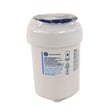
If your model uses the MWF-style filter family, the manual notes filter type guidance; for a direct replacement option, use the refrigerator water filter MWFP.
Why it matters
A refrigerator usually fails early from heat stress (dirty coils, poor airflow) or moisture and frost problems (door leaks, defrost issues). Preventing those conditions protects major components like the compressor and evaporator fan.
Where to confirm model-specific care details
For cleaning guidance, filter type notes, and safety information specific to GSE25HSHEHSS, use the GSE25HSHEHSS owner’s manual.
Last updated: January 2026
How wide is a 25.6 cubic foot refrigerator?
A 25.6 cubic foot refrigerator is typically about 36 inches wide. For the GE GSE25HSHEHSS side-by-side platform, the installation instructions show a 36 inch cabinet width for 25 cu ft class models; confirm your exact opening and clearances in the GSE25HSHEHSS owner's manual.
Typical width and what to plan for
Most 25 to 26 cu ft side-by-side refrigerators are built on a 36 inch wide cabinet, but you also need space for airflow and hookups.
- Plan on a 36 inch cabinet width for the refrigerator body
- Add side clearance for installation and air circulation
- Leave room behind for water line and electrical
- Make sure door swing and handle clearance fit your kitchen layout
- If an entryway is tight, door removal may be needed for moving the unit in
Quick sizing guide (common planning numbers)
| What you are measuring | Typical value for this size class | Notes |
|---|---|---|
| Refrigerator cabinet width | 36 in | Common for 25 to 26 cu ft side-by-side units |
| Side clearance | 1/8 in each side | Helps with fit and air circulation |
| Top clearance | 1 in | Helps ventilation and installation |
| Back clearance | 1/2 to 1 in | Allows space for connections and airflow |
Why it matters
Width is only part of the fit. Clearances affect cooling performance, door operation, and whether you can slide the refrigerator in without pinching the water line. Using the model-specific clearances helps prevent warm temperatures, noise, and installation headaches.
Best way to measure before you buy or move it
- Measure the opening width at the front and back (walls are not always square).
- Measure the narrowest doorway or hallway on the path to the kitchen.
- Confirm the required clearances and connection space in the GSE25HSHEHSS owner's manual.
Last updated: January 2026
What is the most common problem with a GE refrigerator?
Cooling problems are the most common issue we see on GE refrigerators like model GSE25HSHEHSS. The root cause is often restricted airflow (dirty condenser coils, blocked vents), a defrost system problem that lets frost build up, or a failed fan or sensor that prevents steady temperatures.
Most common symptoms (and what they usually point to)
- Fresh food section warm but freezer OK: airflow restriction or evaporator fan issue
- Freezer warm and fresh food warm: condenser coils dirty, sealed system issue, or control problem
- Frost or ice buildup on the back wall of the freezer: defrost heater or defrost thermostat problem
- Temperature swings: temperature sensor or control board issue
- Unit seems “off” then comes back on: normal defrost cycle can pause cooling for about 30 minutes
Quick checks we recommend first
- Confirm controls are not set to OFF and temperatures are set correctly (see GSE25HSHEHSS owner's manual).
- Make sure the refrigerator is fully plugged in and the breaker is not tripped.
- Clean condenser coils and verify nothing blocks air vents inside.
- Listen for the evaporator fan running when the doors are closed.
- If you have heavy frost buildup, focus on defrost components.
Common parts involved in cooling and defrost issues
| Problem area | What fails | Example part for GSE25HSHEHSS |
|---|---|---|
| Defrost system | Heater or thermostat | Refrigerator defrost heater WR51X10055, refrigerator defrost bi-metal thermostat WR50X10065 |
| Temperature feedback | Sensor | GE profile refrigerator temperature sensor WR55X10025 |
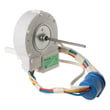
| Air movement | Evaporator fan motor | Refrigerator evaporator fan motor WR60X10307 |
Why it matters
Cooling issues can spoil food quickly and can also make the compressor run longer than it should. Starting with airflow and defrost checks helps you fix the most common causes before replacing higher-cost components.
Last updated: January 2026
Are GE side by side refrigerators good?
GE side-by-side refrigerators like model GSE25HSHEHSS are a solid choice for everyday reliability and organization. This design typically delivers steady temperature control, easy access to both fresh and frozen foods, and convenient dispenser features; overall performance depends most on maintenance and airflow.
What “good” usually means for a side-by-side
A side-by-side refrigerator is considered good when it holds safe temperatures, cools evenly, and stays convenient to use day to day. The GSE25HSHEHSS platform includes features such as temperature controls, an ice and water dispenser, and a performance airflow system described in the GSE25HSHEHSS owner’s manual.
Common strengths customers value
- Tall, easy-to-reach refrigerator shelves and door bins for daily items
- Freezer organization with vertical storage (less digging than bottom-freezer styles)
- Ice and water dispenser convenience
- Consistent cooling when vents are kept clear and doors seal well
Quick pros and cons comparison
| What you care about | Side-by-side (like GSE25HSHEHSS) | Tradeoff to know |
|---|---|---|
| Everyday access | Fresh and frozen at eye level | Narrower shelf width for wide platters |
| Organization | Lots of door storage and shelves | Freezer can feel tighter for bulky items |
| Dispenser use | Typically very convenient | More parts to maintain (filter, valve, chute door) |
Maintenance that keeps performance “good”
Good performance is strongly tied to simple upkeep and correct airflow.
- Keep food from blocking interior air louvers and vents
- Replace the water filter on schedule; a clogged filter can reduce water flow and affect ice production
- Purge air after filter changes to reduce sputtering at the dispenser
- Keep doors closing tightly; warm air leaks cause frost and temperature swings
- Clean spills and odors regularly to protect food quality
If you use the dispenser often, the GE refrigerator water filter MWFP is the correct filter option listed for this model.
Why it matters
A “good” refrigerator is one that protects food safely and avoids temperature swings that lead to spoilage, freezer burn, or heavy frost. Side-by-side models can do this very well when airflow paths stay open and the water/ice system is maintained.
Last updated: January 2026