 Error Codes




Is GE Profile considered high end?
Yes. GE Profile is generally considered GE’s higher-end mainstream line, positioned above standard GE models with more premium features, finishes, and performance-focused options. For your GE dishwasher model GDT645SMN3ES, “Profile” status depends on the exact product branding, not the parts list.
How GE Profile typically compares to standard GE
GE Profile models commonly add upgrades that show up in day-to-day use:
- More advanced wash and dry options (extra sensors, targeted spray patterns)
- Quieter operation (more insulation and refined pump design)
- More premium exterior finishes and handle styles
- More flexible racks and loading features
- More electronic features (enhanced controls, diagnostics, cycle customization)
What to check on your dishwasher
If you are trying to confirm whether your specific unit is GE Profile, use these quick checks:
- Look for “Profile” branding on the control panel or door badge
- Check the model tag for the full model number: GDT645SMN3ES
- Compare your control layout and cycle names to GE Profile styling
- If you are troubleshooting, check for stored fault codes and behavior patterns
For error-code help that applies to many GE electronic dishwashers, use GE electronic dishwasher error codes.
“High end” in practical terms
Here is a simple way we frame it when shopping or comparing:
| Line | Typical positioning | What you usually pay for |
|---|---|---|
| GE (standard) | Value to mid-range | Core cleaning, fewer premium options |
| GE Profile | Upper mid-range | More features, quieter builds, upgraded design |
| GE Cafe / Monogram | Premium to luxury | Design-forward, pro styling, top-tier options |
Why it matters
Knowing whether you have a GE Profile dishwasher helps set expectations for noise level, cycle options, and control features. It also helps you match the right troubleshooting path and choose the correct replacement parts when diagnosing issues.
Last updated: January 2026
What is the average lifespan of a GE dishwasher?
A GE dishwasher typically lasts 10 to 12 years. For the GE GDT645SMN3ES, you can usually reach the high end of that range by keeping wash performance strong (good water flow, proper draining, and reliable heating) and fixing small issues early.
What affects dishwasher lifespan most
- Water quality: Hard water speeds up mineral buildup on spray arms and heating components.
- Cleaning and maintenance: Regular cleaning reduces strain on the wash pump and drain pump.
- Loading habits: Overloading blocks spray patterns and increases motor workload.
- Heat and drying performance: Weak heating can lead to longer cycles and more wear.
- Early repairs: Replacing a worn part before it causes leaks or overheating extends life.
Quick maintenance routine (best ROI)
- Clean the tub and door seals monthly; wipe the lower door edge and gasket area.
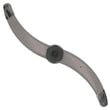
- Check the lower spray arm for clogs and damage; replace if it is cracked or not spinning smoothly (see dishwasher spray arm, lower WD22X33499).
- Run a dishwasher cleaner cycle periodically if you have hard water.
- Confirm the unit drains fully after each cycle; standing water shortens component life.
Common “end-of-life” symptoms vs. fixable problems
| Symptom | Often fixable? | Parts commonly involved on GDT645SMN3ES |
|---|---|---|
| Won’t drain, water left in bottom | Yes | Drain pump, drain hose |
| Poor cleaning, gritty dishes | Yes | Spray arms, wash pump, sump and seals |
| Leaks at the door or tub edge | Yes | Tub gasket, door components |
| No heat or poor drying | Yes | Heating element |
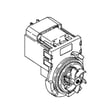
If your dishwasher is not draining, start with the simplest checks (kinked hose, clogged air gap if used, disposer plug not removed on new installs), then consider the dishwasher drain pump WD19X25461 if the pump is noisy or not moving water.
Why it matters
Knowing the typical 10 to 12 year lifespan helps you decide whether to repair or replace. A single part replacement (like a drain pump, inlet valve, or spray arm) often restores performance and can add years of reliable service.
Last updated: January 2026
What is the most common problem with a GE dishwasher?
The most common GE dishwasher problem is poor draining caused by a clogged filter area, a kinked/blocked drain hose, or a weak drain pump. On the GE GDT645SMN3ES, “won’t start” issues from a door not latching and wash performance problems from clogged spray arms are also very common.
Most common symptoms and what they usually mean
- Water left in the bottom: drain path restriction or a failing drain pump
- Won’t start or stops mid-cycle: door not fully latched, latch switch issue, or control problem
- Not cleaning well: clogged spray arm jets, low water fill, or wash pump circulation issue
- Not drying: heater circuit issue, rinse aid issue, or cycle selection
- Leaks: tub gasket wear, loose hose connections, or door sealing issues
Quick checks we recommend first (fast, no parts)
- Cancel the cycle and confirm the unit attempts to drain.
- Inspect the drain hose routing for kinks and make sure the sink/disposal connection is clear.
- Clean the sump area and remove debris that can block the pump inlet.
- Spin and rinse the spray arms; clear any plugged jet holes.
- Close the door firmly and start a cycle again to confirm the latch is engaging.
Parts that commonly fix these problems on GDT645SMN3ES
| Problem | Common fix | Example part for this model |
|---|---|---|
| Not draining | Replace drain pump | Dishwasher drain pump WD19X25461 |
| Won’t start | Replace door latch lock | GE dishwasher door latch lock WD21X10490 |
| Poor cleaning | Replace clogged/damaged lower spray arm | Dishwasher spray arm, lower WD22X33499 |
| Not drying | Check/replace heater | Element heat WD05X35098 |
Error codes can speed up the diagnosis
If your display is showing a code or blinking pattern, use our GE code resources to narrow it down before buying parts: GE electronic dishwasher error codes and GE dishwasher error codes.
Why it matters
Drain and circulation problems can cause repeat wash failures, odors, and standing water that stresses the pump and seals. Catching a clog early often prevents a drain pump or wash pump replacement.
Last updated: January 2026





