Owner’s manual
 Error Codes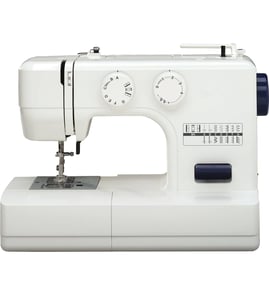

What is the most trouble-free sewing machine?
The most trouble-free sewing machine is usually a simple, well-maintained mechanical model with fewer electronics, correct threading, and routine cleaning. For everyday reliability, many sewists do best with a quality mechanical machine from brands like Janome, Brother, Bernina, or Juki; your Singer 4572 can also be very dependable when it is threaded and maintained correctly using the owner's manual.
What “trouble-free” really means
A machine feels reliable when it:
- Forms consistent stitches without frequent tension changes
- Feeds fabric smoothly (no bunching or “birdnesting” underneath)
- Starts and runs without hesitation (motor and foot controller respond normally)
- Does not jam or lock up during normal sewing
- Handles your typical fabrics with the right needle and thread
Best picks by user type (simple comparison)
| User need | Most trouble-free choice | Why it tends to have fewer issues |
|---|---|---|
| Beginner, basic repairs | Mechanical machine | Fewer electronic boards and sensors to fail |
| Garment sewing, mixed fabrics | Mid-range mechanical or quality computerized | Better feed and stitch consistency when set up correctly |
| Heavy fabrics (denim, canvas) | Heavy-duty oriented mechanical | Stronger drive system and simpler stitch set |
| Quilting and precision work | Higher-end machine (often computerized) | Better speed control and stitch regulation features |
How to keep a Singer 4572 running with fewer problems
Even the most reliable brand will act “finicky” if setup is off. On the Singer 4572, correct threading and basic care prevent most day-to-day issues.
- Raise the presser foot before threading so the tension discs open
- Turn the handwheel toward you to bring the needle to its highest position before threading
- Use the threading path exactly as shown; incorrect threading often causes thread bunching underneath
- Clean lint around the needle plate and feed area regularly
- Power off and unplug before cleaning or servicing
For step-by-step threading checks and a performance checklist (needle not moving, stitch not forming, thread breaking), use the owner's manual.
Why it matters
Most “unreliable machine” complaints come from threading, needle choice, lint buildup, or fabric and thread mismatch, not from the brand name. A simpler mechanical machine reduces failure points, but correct setup is what keeps it trouble-free.
Related help: If your machine jams or binds, follow the troubleshooting steps in sewing machine locks up.
Last updated: February 2026
What is the most sought after vintage sewing machine?
The most sought-after vintage sewing machines are usually all-metal, easy-to-service models known for smooth stitching and long-term durability. Popular picks include the Singer Featherweight 221/222 (portable straight stitch) and Singer 201 (precision straight stitch), plus high-quality vintage Pfaff and Bernina machines.
Most in-demand vintage models (common collector favorites)
These models are widely sought because they combine strong build quality with practical, everyday sewing performance:
- Singer Featherweight 221/222: compact, portable, excellent straight stitch
- Singer 201: very smooth, accurate straight stitch; heavy all-metal build
- Singer 401/403: versatile zigzag and utility stitches; strong motor and gearing
- Bernina 830 Record: premium construction; strong stitch quality and features
- Pfaff (vintage all-metal lines): known for feeding performance and durability
What makes a vintage machine “sought after”
Demand usually comes down to a few practical factors, not just age.
- Mostly metal internal parts (gears, shafts, drive components)
- Consistent stitch formation at slow and moderate speeds
- Easy access for cleaning and oiling
- Common, still-available consumables (needles, bobbins, belts, foot controller)
- Strong presser foot pressure and stable feed for thicker fabrics
- A large community of owners (more setup tips, parts knowledge, and attachments)
Quick comparison: why these models get attention
| Model family | Why people want it | Best for |
|---|---|---|
| Singer 221/222 | Lightweight and collectible | Travel, quilting straight stitch |
| Singer 201 | Extremely smooth straight stitch | Garments, precision seams |
| Singer 401/403 | Versatile utility stitches | General home sewing |
| Bernina 830 Record | Premium feel and features | Frequent sewing, upgrades |
Why it matters (especially if you already own a Singer 4572)
If you are comparing a vintage machine to your Singer 4572, focus on what you actually sew. Many vintage machines excel at straight stitching and durability, while your 4572 adds convenience features and accessories for everyday projects. For safe operation and correct setup details (power cord, speed control, accessories), follow the 4572 owner's manual.
Last updated: February 2026
How long do mechanical sewing machines last?
A Singer mechanical sewing machine like model 4572 typically lasts 20 years with normal home use and basic care. Regular cleaning, correct threading, and avoiding jams are what most often determine whether it reaches that full lifespan.
Typical lifespan (what to expect)
Mechanical machines generally outlast computerized models because they have fewer electronic components.
| Machine type | Typical lifespan | What usually ends it |
|---|---|---|
| Mechanical sewing machine | 20 years | Wear in moving parts, neglected cleaning, repeated jams |
| Computerized sewing machine | 10 years | Control board or display failures, power issues |
What makes a mechanical machine last longer
We see the biggest lifespan gains from simple maintenance and correct setup.
- Clean lint and dust from the bobbin area and under the needle plate
- Use the correct needle type and replace needles regularly
- Thread the top thread and bobbin correctly to prevent tension problems
- Keep the presser foot down when sewing (helps consistent tension)
- Stop immediately if the machine binds or locks up; clear the jam before continuing
- Store the machine in a dry place with the needle lowered
For model-specific care steps (including cleaning points and storage steps), follow the owner's manual.
Quick care routine for the Singer 4572
Based on the care guidance in the manual, this routine keeps the machine running smoothly.
- After heavy use: Brush lint from the presser bar, needle bar, and bobbin case area
- When you notice buildup: Remove the needle plate and clean the exposed area with a lint brush
- Before storing: Turn controls off, unplug, lower the presser foot, and lower the needle to its lowest position
Why it matters
Lint buildup and thread jams increase drag on the drive system, which makes the machine run sluggish, skip stitches, or lock up. Preventing that wear is the simplest way to get the full 20-year service life from a mechanical Singer like the 4572.
Last updated: February 2026
What is code 4572?
On a Singer sewing machine, 4572 is the model number, not an error code. It identifies the Singer 4572 mechanical sewing machine, and we use it to match the correct threading steps, maintenance instructions, and replacement parts diagrams for your exact machine (see the 4572 owner's manual).
What “4572” refers to on this machine
You’ll typically see 4572 on the rating label or on the cover of the manual. It’s used to:
- Confirm you have the correct Singer model for setup and troubleshooting
- Match the right bobbin and needle threading instructions
- Follow the correct cleaning and care steps (lint removal, needle plate cleaning)
- Identify the correct procedures for items like the bobbin case or light bulb
If you meant an error code or a symptom
The Singer 4572 is a mechanical sewing machine, so most problems show up as symptoms (needle not moving, machine locking up, sluggish running) rather than a digital code.
Common checks we recommend first:
- Make sure the machine is plugged in and the power switch is on
- Confirm the foot controller is connected firmly
- Rethread the upper thread and re-seat the bobbin correctly
- Turn the handwheel by hand to check for a jam (thread tangle or lint)
- Clean lint around the feed dogs and under the needle plate
Quick guide: model number vs. error code
| What you see | What it usually means | What to do next |
|---|---|---|
| 4572 | Model number | Use the 4572 owner's manual for correct procedures |
| Needle won’t move | Mechanical jam or power/control issue | Follow the performance checklist steps in the manual |
| Machine locks up | Thread tangle, lint buildup, or binding | Use sewing machine locks up troubleshooting |
Why it matters
Using the correct model number (4572) prevents mismatched instructions, especially for threading, bobbin case handling, and routine care. That saves time and helps avoid needle breaks, skipped stitches, and thread jams.
Last updated: February 2026
Are old sewing machines worth any money?
Yes, old sewing machines can be worth money, but most everyday machines sell for modest amounts unless they are rare, fully working, and in excellent cosmetic condition. For a Singer 4572 mechanical sewing machine, value usually depends more on condition, completeness (accessories, foot controller), and smooth operation than on age alone.
Quick ways to estimate value
Use these checks to place your machine in a realistic “as-is” vs “ready-to-sew” range:
- Does it run smoothly at multiple speeds? (no sluggish motor, no burning smell)
- Does the needle move and form stitches consistently? (no skipping stitches)
- Does it lock up or jam easily? (handwheel should turn freely)
- Is the wiring and power cord in good shape? (no cracking or exposed wire)
- Is it complete? (bobbins, presser feet, needle plate, lint brush, foot controller)
For model-specific setup and accessory identification, use the owner's manual.
What typically increases (or decreases) resale value
Condition and completeness drive price more than the brand name on common household models.
| Factor | Usually increases value | Usually decreases value |
|---|---|---|
| Mechanical condition | Sewes evenly, quiet, steady speed | Locks up, runs sluggish, noisy knocking |
| Completeness | Includes accessories and foot controller | Missing foot pedal, bobbins, presser feet |
| Maintenance | Cleaned, lint removed, lightly oiled where specified | Heavy lint buildup, rust, sticky mechanisms |
| Cosmetics | Clean finish, intact decals, minimal corrosion | Heavy wear, corrosion, broken knobs |
Model-specific details that matter for the Singer 4572
From our documentation for the Singer 4572, the correct foot controller for North American territories is model 4C-316B. Having the correct controller and a working speed control setup typically improves buyer confidence and reduces “repair risk.”
Also, the manual lists common included accessories such as a zipper foot, feed cover (for darning/free-motion), buttonhole presser foot, bobbins, and a lint brush; missing items often lower value because replacements add cost.
Why it matters
A machine that is clean, complete, and demonstrably sewing is easier to sell and commands more money. A machine that jams, locks up, or has electrical issues often ends up being valued mainly for parts or as a décor piece.
If your machine binds up or the needle will not move, follow the troubleshooting steps in sewing machine locks up before deciding it is “not worth anything.”
Last updated: February 2026