Error Codes

What are common problems with Viking ranges?
Common problems we see on Viking ranges like model VDSC305 include surface burner ignition trouble, oven heating or temperature accuracy issues, and control or knob problems. Many are caused by normal wear, heat exposure, or buildup; targeted cleaning and the right replacement part usually restores performance.
Most common symptoms (and what they usually point to)
- Burner clicks but won’t light or lights slowly: dirty burner ports, moisture, weak spark, or gas flow issues
- Uneven baking or long preheat times: failing bake circuit, airflow problems, or temperature control issues
- Oven won’t heat at all: failed heating component or control-related fault
- Knob slips, cracks, or won’t set accurately: worn knob or damaged interface
- Self-clean door won’t lock or unlock: door latch motor problem
- Rattles, heat leaks, or poor door seal feel: hinge wear or alignment issues
Quick checks you can do first (safe, no tools)
- Clean burner heads and ports (cool range only); clear debris that blocks flame or spark.
- Dry the igniter area if you recently cleaned; moisture can cause repeated clicking.
- Verify power (for ignition and oven controls); dual-fuel ranges need electricity for many functions.
- Check knob fit; if it wobbles or won’t grip, replacement is often the fix.
Parts that commonly solve these problems on VDSC305
| Symptom | Commonly involved part | Example part on this page |
|---|---|---|
| Knob won’t turn smoothly or is broken | Thermostat/control knob | Range thermostat knob PB010129 |
| Oven won’t heat or heats poorly | Bake element | Bake element PJ010004 |
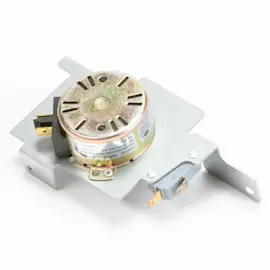
| Door won’t lock/unlock for self-clean | Door latch motor | Door latch motor PE050053 |
| Weak/uneven burner performance | Burner components | Burner PA080036 or burner PA080037 |
| Door doesn’t close right | Door hinge | Oven door hinge PC020009 |
Why it matters
Ignition and heating problems affect cooking results and can stress other components (controls, wiring, and regulators). Fixing the root cause early helps prevent repeat failures and keeps temperatures stable for baking and broiling.
Ordering the right part
We recommend matching parts to Viking VDSC305 using the parts list for this model; for broader part searches by model number, use Sears PartsDirect.
Last updated: February 2026
What is the average lifespan of VDSC305?
A Viking VDSC305 dual-fuel slide-in range typically lasts 15 to 20 years with normal household use. Lifespan depends most on heat exposure, cleaning habits, and timely replacement of wear items like igniters, door hardware, and oven heating components.
What affects lifespan the most
- Cooking frequency and high-heat use (broiling and long bakes accelerate wear)
- Keeping burners and ports clean to prevent uneven flames and overheating
- Door seal and hinge condition (heat leaks make the oven work harder)
- Electrical health (tight, undamaged wiring and solid connections)
- Ventilation (excess heat trapped behind the range shortens component life)
Parts that commonly drive “end of life” symptoms
If performance drops, replacing a few key parts often restores reliable operation:
- Oven not heating evenly: bake element PJ010004
- Door won’t close smoothly or sags: oven door hinge PC020009
- Oven won’t lock or unlock for self-clean: door latch motor PE050053
- Knob cracked or slipping: range thermostat knob PB010129
Quick lifespan check: repair or replace?
| What you’re seeing | Most likely path | Why |
|---|---|---|
| One function failing (bake, latch, door alignment) | Repair | Targeted parts replacement is usually straightforward |
| Multiple systems failing at once | Evaluate cost | Several parts plus labor can add up |
| Heavy corrosion, repeated overheating, or unsafe operation | Stop using and service | Heat and gas/electric issues need immediate attention |
Why it matters
A dual-fuel range like the Viking VDSC305 combines gas-top components with electric-oven components; keeping both sides maintained prevents temperature drift, ignition problems, and premature control or wiring damage.
Last updated: March 2026
How do I find the model number on my VDSC305?
The model number for your Viking dual-fuel slide-in range is on the appliance ID tag, not on the control knobs or oven door glass. On model VDSC305, the tag is typically found around the oven door frame area or on a side frame edge when you open the oven door.
Where to look on a Viking VDSC305 range
Check these common ID-tag locations first:
- Open the oven door and look along the left and right door frame (front face of the oven cavity)
- Look along the bottom edge of the front frame, just inside the door opening
- Check the lower drawer area (if equipped); look on the frame behind the drawer front
- If the range is installed tight to cabinets, use a flashlight to check the side frame edges near the front
What the model tag looks like (and what to write down)
The ID tag is usually a small sticker or metal plate. We recommend recording:
- Model number (for example, VDSC305)
- Serial number
- Any suffix letters or revision codes printed with the model
- Gas type information (natural gas or LP) if listed
| Label item | Why it matters for parts |
|---|---|
| Model number | Ensures diagrams and parts match your exact range |
| Serial number | Helps match production changes within the same model |
| Suffix/revision | Prevents ordering a similar-looking but incompatible part |
Why it matters
Viking ranges often have multiple versions that look identical but use different igniters, burners, hinges, or trim. Using the exact model and serial from the ID tag helps us match the correct replacement parts the first time.
If you are still not seeing the tag
Try these quick steps:
- Wipe the frame edges with a damp cloth; grease can hide the print
- Use your phone camera and zoom with the flash on
- If the tag is damaged, use the parts diagrams to identify assemblies by appearance (for example, an oven issue may point to the bake element PJ010004)
Last updated: March 2026