Owner’s manual
 Error Codes


How to replace water filter on KitchenAid side by side refrigerator?
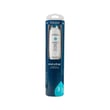
To replace the water filter on your KitchenAid KSSC42QVS04 side-by-side refrigerator, remove the old filter from the filter housing, then insert the new one and lock it in place by pushing in and turning clockwise until it stops. Run water to clear air and reset the filter indicator if your model has one.
Before you start
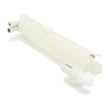
- Use the correct replacement filter for your refrigerator: refrigerator water filter EDR3RXD1
- Have a towel ready for a few drips
- If your dispenser has an ice maker, discard the first full bin of ice after the change
- Follow the model-specific steps in the owner's manual
Step-by-step: replace the filter
- Locate the filter housing (commonly in the grille/base area or inside the fresh food compartment on built-in models).
- Turn the old filter counterclockwise (or release it) and pull it straight out.
- Remove any protective caps from the new filter.
- Insert the new filter, push in firmly, then turn clockwise until it locks and stops.
- Check for leaks around the housing.
Flush the system after installing the new filter
After installation, we recommend flushing the water line to remove trapped air and carbon fines.
- Dispense and discard 2 to 4 gallons of water (or about 5 minutes of dispensing)
- If water sputters, keep dispensing until the flow is steady
- If the dispenser slows, pause 30 seconds and continue
| What you notice | What it usually means | What to do |
|---|---|---|
| Sputtering or spurts | Air in the line | Keep dispensing until steady |
| Gray/black specks | Carbon fines from new filter | Flush additional water |
| Drips at housing | Filter not fully seated | Reinstall and lock fully |
Why it matters
A properly installed, fully locked filter helps maintain good water flow, reduces leaks at the housing, and keeps your KitchenAid refrigerator water and ice tasting clean.
Last updated: February 2026
What is the most common problem with KitchenAid refrigerators?
The most common KitchenAid refrigerator problems are cooling and ice maker issues. On the KitchenAid KSSC42QVS04 built-in side-by-side, the most frequent root causes we see are restricted airflow from dirty condenser coils, a failing evaporator fan, or a temperature/control issue that prevents the unit from holding steady temps.
Most common symptoms customers notice
- Refrigerator section too warm but freezer seems OK
- Freezer too warm or soft ice
- Ice maker slow, hollow cubes, or no ice
- Louder-than-normal fan noise or buzzing
- Water leaks or frost buildup that returns quickly
Common causes (and what to check first)
Start with the simplest checks before replacing parts.
- Condenser coils dirty or blocked: Clean the grille and coils; poor heat release causes warm temps and long run times.
- Evaporator airflow problem: If you hear squealing, scraping, or the freezer has weak airflow, inspect the fan area; a worn blade can also cause noise.
- Temperature sensing/control problems: A bad sensor or control can misread temps and overcool or undercool.
- Water/ice restrictions: A clogged filter can reduce water flow to the dispenser and ice maker.
Parts that commonly relate to these problems
If troubleshooting points to a specific failure, these are examples of parts available for this model:
| Problem area | What it affects | Example part on this model |
|---|---|---|
| Water flow to ice maker/dispenser | Slow ice, small cubes, no water | Refrigerator water filter EDR3RXD1 |
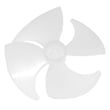
| Freezer airflow/noise | Warm temps, frost patterns, fan noise | Refrigerator evaporator fan blade WP2169142 |
| Temperature feedback | Inaccurate temps, cycling issues | Refrigerator temperature sensor WP2188820 |
| Main control decisions | Cooling/defrost timing, fan operation | Refrigerator electronic control W11629974 |
Why it matters
Cooling and ice maker complaints often share the same underlying issue: airflow and temperature stability. Fixing the root cause (airflow, sensing, or water flow) prevents food spoilage, reduces compressor run time, and helps the refrigerator maintain consistent temperatures.
Best next step for KSSC42QVS04
Use the diagnostic and maintenance guidance in the owner's manual to confirm the recommended temperature settings, cleaning intervals, and any model-specific checks before ordering parts.
Last updated: February 2026
Where is the filter located on a side by side refrigerator?
On the KitchenAid KSSC42QVS04 side-by-side refrigerator, the water filter is typically located inside the fresh food (refrigerator) compartment, often near the upper area or along the back wall. If you do not see it right away, use the location diagram and replacement steps in the owner's manual.
Common water filter locations to check
- Upper right corner inside the refrigerator section (sometimes behind a small cover)
- Upper left corner inside the refrigerator section
- Back wall inside the refrigerator section
- Base grille (kickplate) at the bottom front of the unit
- Inside the freezer section (less common on side-by-sides)
How to confirm you found the right part
Once you locate the filter housing, match the filter style (push-in, twist-in, or cap-style) to the replacement parts listed for this model.
| What you see | What it usually means | What to do next |
|---|---|---|
| A cylindrical filter that twists out | Twist-in filter | Turn the filter counterclockwise, then pull straight out |
| A filter behind a small flip-down door | Push-in or latch style | Press the release, then pull the filter out |
| A removable cap on the end of the filter | Cap-style setup | Move the cap to the new filter before installing |
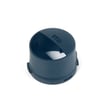
If your filter uses a separate cap, the matching replacement is the refrigerator water filter cap (black) WP2260518B. For the filter itself, this model commonly uses the refrigerator water filter EDR3RXD1.
Why it matters
Finding the correct filter location helps you replace it without forcing parts or damaging the filter head. A properly installed filter also helps maintain water flow to the dispenser and ice maker and supports better-tasting water.
Last updated: February 2026
Why is my KitchenAid side by side refrigerator leaking water?
Water leaking from your KitchenAid KSSC42QVS04 side-by-side refrigerator is usually caused by a defrost drain problem (clogged or frozen), a water supply connection that is seeping, or a water filter that is not seated correctly. We use the checks below to pinpoint the source fast.
Quick checks (start here)
- Look for water inside the fresh food section under the crisper drawers; this points to a defrost drain issue.
- Look for water under the front of the unit; this often points to the water line, filter, or fittings.
- Check whether the leak happens after using the dispenser/ice maker.
- Inspect the water filter housing area for drips and make sure the filter is fully locked in.
- Verify doors close tightly; warm air intrusion can increase frost and overwhelm the drain.
Most common cause: clogged or frozen defrost drain
During normal defrost, meltwater should flow down a drain to a pan near the compressor. If the drain is blocked by ice or debris, water backs up and leaks into the refrigerator.
What we do to fix it
- Unplug the refrigerator.
- Remove items from the bottom shelves/crispers and look for ice or standing water.
- Melt ice in the drain trough with warm water (a turkey baster works well).
- Flush until water flows freely to the drain pan.
- Clean any debris that could re-freeze and block the drain again.
Water filter and water line leak points
If the leak is near the filter area or after dispensing water, focus on the filter and connections.
| Leak location | Most likely cause | What to check |
|---|---|---|
| At filter housing | Filter not seated, damaged cap | Reseat filter; inspect cap |
| Behind unit | Supply line seep, loose connection | Tighten fittings; check for cracks |
| Under unit (rear) | Drain pan overflow or line drip | Confirm drain is clear; look for drips |
Helpful parts to inspect/replace when needed:
- Refrigerator water filter EDR3RXD1
- Refrigerator water filter cap (black) WP2260518B
- Refrigerator fitting WP2300868
Why it matters
A small leak can damage flooring, cause moldy odors, and lead to ice buildup that reduces cooling performance. Fixing the drain or a slow seep early prevents bigger repairs later.
For model-specific access points and diagrams, follow the steps in the owner's manual.
Last updated: February 2026