Installation guide
 Owner’s manual
 Error Codes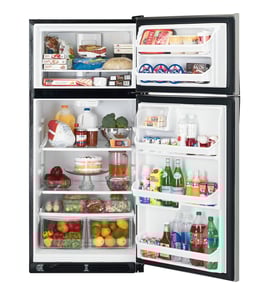



What are the disadvantages of a top mount fridge?
A top-mount (top-freezer) refrigerator like the GE GTS18GBSBRWW is usually affordable and efficient, but its main disadvantages are less convenient fresh-food access (more bending), fewer organization features than many bottom-freezer designs, and fewer built-in dispenser options.
Common disadvantages you will notice day to day
- Fresh-food items sit lower, so you bend more to reach produce drawers and lower shelves.
- Freezer is at eye level, which is convenient for frozen foods but can make the fridge section feel less accessible.
- Fewer premium storage features are common (fewer adjustable bins, fewer specialty drawers) compared with many bottom-mount models.
- Less likely to include external ice and water dispensing (many top-mount models are simpler by design).
- Narrower door storage flexibility can be a limitation if you store tall bottles or bulky containers.
What is not a disadvantage (and why it matters)
Top-mount refrigerators often run very reliably because the design is straightforward. That simplicity can mean fewer complex components to maintain, and it can also make basic repairs (like lighting or door sealing) more manageable.
Quick comparison: top-mount vs bottom-mount
| Feature | Top-mount (top-freezer) | Bottom-mount (bottom-freezer) |
|---|---|---|
| Fresh-food access | Lower; more bending | Higher; easier access |
| Organization | Often simpler | Often more flexible |
| Dispensers | Less common | More common |
| Typical cost | Lower | Higher |
Tips to reduce the downsides on a top-mount
- Set shelves and bins so your most-used items sit at mid-height.
- Keep heavier items on middle shelves to reduce lifting and bending.
- If doors do not close easily, adjust leveling so the front is slightly raised (this helps usability and temperature stability); see the installation guide.
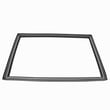
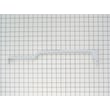
- If you are losing cold air or seeing moisture, inspect door seals and consider replacing a worn gasket such as the refrigerator door gasket (white) WR24X10236 if it matches your door color and location.
Why it matters
Most “disadvantages” come down to ergonomics and storage layout. If you cook often and use fresh foods daily, the bending and organization limits are the biggest tradeoffs; if you use frozen foods frequently, the top freezer can actually feel more convenient.
Last updated: February 2026
What is the most common problem with GE profile refrigerators?
The most common GE Profile refrigerator problems are cooling complaints and ice maker issues; both are frequently tied to airflow (evaporator fan), defrost performance, or temperature sensing and controls. For your GE GTS18GBSBRWW top-mount refrigerator, we use the troubleshooting section in the owner's manual to narrow the cause before replacing parts.
Most common symptoms customers report
- Refrigerator section warm but freezer cold (airflow or defrost issue)
- Freezer not cold enough (fan, sealed system, or door seal issue)
- Ice maker slow or not making ice (water supply, temperature, or ice maker components)
- Frost buildup on the back wall of the freezer (defrost system issue)
- Unusual clicking, humming, or popping sounds during operation (often normal, sometimes restart related)
Quick checks we recommend first (fast, no parts)
- Confirm temperature settings and allow 24 hours after any adjustment.
- Make sure vents are not blocked by food packages.
- Check door closing and gasket contact all the way around.
- Listen for the evaporator fan in the freezer when the door switch is pressed.
- If you hear repeated restart clicking, unplug for 5 minutes and restart; then monitor cooling.
Parts that commonly fix cooling and airflow problems
If your GE GTS18GBSBRWW has weak airflow, warm fresh food temps, or frost patterns that point to a defrost issue, these model-matched parts are common repair paths:
| Symptom | Common area | Model-matched part to consider |
|---|---|---|
| Freezer cold, fridge warm | Evaporator airflow | Refrigerator ac/dc motor WR60X31522 |
| Heavy frost on evaporator cover | Defrost heat | Refrigerator defrost heater WR51X10038 |
| Doors not sealing, moisture/frost | Door seal | Refrigerator freezer door gasket WR24X10228 |
Why it matters
Cooling and ice maker performance depend on stable freezer temperature and steady airflow from the evaporator fan through the air ducts. When airflow is restricted (fan issue, frost buildup, or a leaking gasket), the refrigerator section warms up first and ice production often drops.
Last updated: February 2026
How to clean coils on GE top freezer refrigerator?
For a GE top-freezer refrigerator like model GTS18GBSBRWW, we clean the condenser coil area by unplugging the refrigerator, removing dust with a vacuum and soft brush, then restoring airflow around the unit. This improves cooling performance and helps the compressor run less.
Safe coil-cleaning steps
- Unplug the refrigerator before you start (power off is the first step for any cleaning or service).
- Pull the refrigerator straight out so you can reach the back and lower area.
- Locate the condenser coil area (most top-mount units have coils underneath or on the back).
- Vacuum loose lint and dust using a brush attachment.
- Use a coil brush or soft paintbrush to loosen packed debris, then vacuum again.
- Clean the floor under the unit and the rear cover/vent area so air can move freely.
- Plug the refrigerator back in and confirm the fans and compressor sound normal.
How often to clean the coils
Most homes do best with coil cleaning every 6 to 12 months.
| Home conditions | Recommended interval |
|---|---|
| Pets, heavy dust, high traffic kitchen | Every 3 to 6 months |
| Typical home | Every 6 to 12 months |
| Very clean, low dust | About once a year |
What to avoid
- Do not use water spray or soaking cleaners near electrical components.
- Do not bend coil fins or force tools into tight spaces.
- Do not run the refrigerator while panels or covers are removed.
Why it matters
Dirty condenser coils trap heat, so the sealed system has to work harder. Keeping the coil area clean helps stabilize fresh food and freezer temperatures, reduces run time, and can prevent overheating-related cooling complaints.
For model-specific access points and safety notes, follow the cleaning guidance in the GTS18GBSBRWW owner's manual.
Last updated: February 2026
Is GE Cafe considered high end?
Yes. GE Café is widely considered GE’s high-end, design-forward appliance line; it sits above standard GE lines and focuses on premium finishes, upgraded features, and built-in style options. For your GE GTS18GBSBRWW refrigerator, use the owner's manual for model-specific features and care details.
What “high end” usually means with GE Café
When customers compare GE lines, “high end” typically comes down to a mix of design, performance features, and price tier.
- Premium exterior finishes and coordinated hardware options
- More feature-rich controls and convenience features (varies by product)
- Strong focus on kitchen aesthetics and suite matching
- Higher price tier than standard GE models
- More configuration choices (handles, trim, specialty options)
GE lines at a glance
This is a practical way to think about where Café fits in the GE family.
| GE line | Typical market position | What you usually get |
|---|---|---|
| GE (standard) | Mainstream | Core features, value-focused |
| GE Profile | Premium | More advanced features, upgraded styling |
| GE Café | High end | Design-forward, premium features and finishes |
| GE Monogram | Luxury | Built-in luxury, pro-style options |
Why it matters when you own a GE GTS18GBSBRWW
Even if your refrigerator is not a Café model, understanding the line helps when you are comparing replacements, matching a kitchen suite, or deciding how much to invest in repairs.
- Repair decisions: higher-end kitchens often justify replacing wear items (gaskets, shelves) instead of replacing the unit
- Fit and finish: door alignment and sealing affect performance and energy use
- Noise expectations: newer designs can sound different during normal operation (compressor and pressure equalization)
Parts note for this model
If you are repairing your GE GTS18GBSBRWW, common replacement items for everyday issues include the refrigerator door gasket (white) WR24X10236 (air leaks, sweating, poor cooling) and the GE appliance light bulb, 40-watt 40A15 (no interior light).
Last updated: February 2026
What is the life expectancy of a GE Monogram refrigerator?
GE Monogram refrigerators typically last 15 to 20 years. On this page, the model is GE GTS18GBSBRWW (a standard top-mount refrigerator); refrigerators in this class typically last 10 to 15 years with normal use and basic maintenance.
Typical lifespan comparison
| Refrigerator type | Typical life expectancy |
|---|---|
| Standard top-mount (like GE GTS18GBSBRWW) | 10 to 15 years |
| Premium built-in (often including GE Monogram) | 15 to 20 years |
What most affects lifespan (any refrigerator)
These items have the biggest impact on compressor run time, temperatures, and overall wear:
- Keep condenser airflow clear (dust and pet hair raise operating temps)
- Maintain tight door seals to prevent warm-air leaks
- Use stable temperature settings (avoid extreme cold settings unless needed)
- Avoid blocking interior air vents with food packages
- Address unusual noises, warming, or heavy frost early
Maintenance that helps you reach the full service life
Use these practical steps as a baseline routine:
- Clean the condenser area a few times per year
- Wipe door gaskets and confirm doors close fully
- Keep the refrigerator level so doors self-close properly
- Replace failed cooling-air components promptly (fans, start devices)
Why it matters
Refrigerator life is driven by heat and run time. Restricted airflow or leaky gaskets make the unit run longer, which increases wear on the compressor, fan motors, and start components.
Model-specific reference for GE GTS18GBSBRWW
For safe temperature guidance, leveling, and care instructions specific to GTS18GBSBRWW, use the GTS18GBSBRWW owner's manual.
Last updated: February 2026