
What are the parts of a chainsaw?
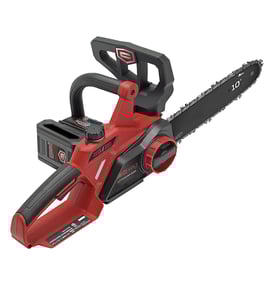
A Mcculloch chainsaw like model EAGER is built around a power source (motor/engine), a cutting system (guide bar and chain), and control and safety systems (trigger, chain brake, guards). These assemblies work together to drive, lubricate, and stop the chain safely.
Main chainsaw assemblies (what you will see and touch)
- Power source: electric motor (corded models) or gas engine (2-cycle)
- Drive system: clutch/sprocket or direct drive components that spin the chain
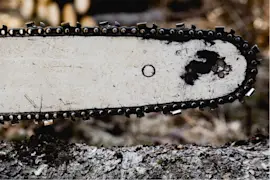
- Guide bar: the long bar that supports and guides the chain
- Cutting chain: cutters, tie straps, and drive links that ride in the bar groove
- Chain tensioning system: adjusts chain slack (tension screw and bar nuts/side cover)
- Lubrication system: oil tank and oiler/oil pump that feeds bar and chain oil
Controls and safety parts
- Throttle trigger and lockout: helps prevent accidental starts
- Chain brake (hand guard): stops the chain quickly during kickback events
- Front and rear handles: grip points for control and leverage
- Chain catcher and bumper spikes (if equipped): helps reduce risk if a chain derails; spikes help stabilize cuts
Common service parts (often replaced)
Even though this model page may not list every item as a separate part link, these are the components we most often see customers replace on chainsaws:
| Part or consumable | What it affects | Typical symptom when worn |
|---|---|---|
| Chain | Cutting performance | Slow cutting, crooked cuts, excessive sawdust |
| Guide bar | Chain tracking and straight cuts | Chain won’t stay tight, uneven wear, burning |
| Sprocket/clutch parts | Chain drive | Chain slips, jerky movement, unusual noise |
| Oiler parts | Lubrication | Dry chain/bar, smoking, rapid bar wear |
Why it matters
Knowing the major parts helps you troubleshoot faster. For example, a dull chain causes poor cutting, but an oiling problem can quickly damage both the chain and guide bar even if the chain is sharp.
For more chainsaw diagrams, troubleshooting, and repair topics, start with our chainsaw category landing page. If you need to look up parts by model and see what is available to order, search by model on Sears PartsDirect.
Last updated: February 2026
Why does my McCulloch chainsaw keep cutting out?
On the Mcculloch EAGER chainsaw, repeated cut-outs are usually caused by a binding cutting system (dull chain, incorrect tension, poor bar lubrication) or an electrical issue (worn cord, loose plug, failing switch, or overheating motor). Fix the simple load and lubrication checks first.
Safety first
- Unplug the chainsaw before inspecting the chain, bar, or wiring.
- Let the motor cool if it stopped hot; overheating can cause temporary shutdown.
- Wear cut-resistant gloves when handling the chain.
Quick checks that solve most cut-outs
- Chain tension: Set tension so the chain snaps back to the bar but still pulls by hand.
- Sharp chain: Sharpen or replace if it makes dust instead of chips.
- Bar and oiling: Clean the bar groove and oil holes; confirm oil is reaching the chain.
- Chain brake: Make sure the brake is fully released and not dragging.
- Power cord and plug: Inspect for nicks, soft spots, or a loose plug fit.
- Extension cord (if used): Use a heavy-duty outdoor cord; undersized cords can cause voltage drop and stalling.
Symptom-to-cause guide
| What happens | Most likely cause | What we recommend |
|---|---|---|
| Cuts out as soon as it touches wood | Dull chain or chain too tight | Sharpen/replace chain; reset tension |
| Runs a bit, then stops until it cools | Overheating from heavy load or poor lubrication | Reduce cutting pressure; clean bar groove; verify oiling |
| Stops when you wiggle the cord | Damaged cord or loose connection | Replace cord; avoid damaged extension cords |
| Runs but has low power and heats fast | Binding bar/chain or failing motor/brushes | Fix binding first; then have motor inspected |
Why it matters
A binding chain or poor lubrication makes the motor work far harder than normal. That extra load can overheat the saw, trip internal protection, and accelerate wear on the bar, chain, and motor.
DIY help and parts lookup
Use our chainsaw care and troubleshooting tips to prevent stalling and bogging. If you need replacement parts for your Mcculloch EAGER, start with the model parts list and, for broader searching by model number, use Sears PartsDirect.
Last updated: February 2026
How do I find the model number on my EAGER?
For your Mcculloch chainsaw, the model number is printed on the saw’s identification label (data plate). On many electric chainsaws, that label is on the motor housing or near the rear handle; once you find it, copy the full model and any type or serial numbers exactly.
Where to look on the saw
Check these common label locations first:
- Side of the motor housing (near the power cord entry)
- Rear handle area (left or right side)
- Bottom of the housing near the oil tank cap
- Near the bar mount area (with the bar removed and saw unplugged)
- On the nameplate close to the trigger or hand guard
What to write down (and why)
Record the information exactly as shown so we can match the correct diagrams and replacement parts.
- Full model number (letters, numbers, and dashes)
- Type number (if listed)
- Serial number (helps confirm production run)
- Any prefix or suffix characters
Why it matters
Mcculloch chainsaws often have multiple versions that look similar but use different parts (bar, chain, sprocket, oiling components, switches). Using the exact model and type prevents ordering the wrong replacement.
Quick ID checklist
| What you see on the label | What it means for parts lookup |
|---|---|
| Model number | Primary match for diagrams and parts |
| Type number | Distinguishes versions within the same model family |
| Serial number | Helps narrow down production changes |
If the label is missing or unreadable
Use these steps to narrow it down:
- Compare your saw’s handle shape, trigger lock, and hand guard style to the diagrams
- Measure bar length (common homeowner sizes are 14 to 18 inches)
- Note whether it is corded electric (yours) versus gas
- Use our chainsaw troubleshooting and identification resources in [chainsaw common questions]
Last updated: March 2026