Owner’s manual






Should I use 40 1 or 50 1 fuel for a chainsaw?
For the Craftsman 358351560 gas chainsaw, we use a 40:1 fuel mix (3.2 oz of 2-cycle air-cooled engine oil per 1 gallon of unleaded gasoline). That ratio is specified for this model and helps protect the engine with the correct lubrication.
The manual calls for unleaded gasoline mixed with a good-quality 2-cycle air-cooled engine oil at 40:1.
- Mix 3.2 oz oil with 1 gallon of unleaded gasoline
- Use 2-cycle air-cooled engine oil (not automotive oil)
- Do not use boat/marine (TC-W3) oil
- Mix fuel in an approved fuel container, then shake to blend
- Use fresh fuel; old fuel can cause hard starting and poor running
For the exact wording and fueling cautions, use the 358351560 owner's manual.
50:1 is a leaner oil mix used on some newer engines designed for it. On this Craftsman model, 40:1 is the correct spec.
| Mix ratio | Oil per 1 gallon gas | Typical use | What it means |
|---|---|---|---|
| 40:1 | 3.2 oz | Many older or spec-specific 2-cycle engines | More lubrication per gallon |
| 50:1 | 2.6 oz | Some newer 2-cycle engines designed for 50:1 | Less oil per gallon |
Running the correct fuel-to-oil ratio helps prevent premature wear and scoring in the piston and cylinder. Using too little oil (such as 50:1 in an engine designed for 40:1) can shorten engine life.
This chainsaw also needs bar and chain oil in the oiler tank; it is not mixed into the fuel.
- Fill bar oil when you fill the fuel tank
- Use chainsaw bar oil when possible
- SAE 30 oil works as a temporary substitute
Last updated: January 2026
What kind of gas goes into a Craftsman chainsaw?
For the Craftsman 358351560 gas chainsaw, use fresh unleaded gasoline mixed with a good-quality 2-cycle air-cooled engine oil at a 40:1 ratio (3.2 oz of oil per 1 gallon of gas). This model uses a fuel mix, not straight gas; see the 358351560 owner's manual for fueling and safety details.
Use this exact mix for normal operation:
- Gas type: Unleaded gasoline
- Oil type: 2-cycle, air-cooled engine oil (Craftsman brand is recommended)
- Mix ratio: 40:1
- Mix example: 3.2 oz oil + 1 gallon gas
- Avoid: Automotive oil and boat (marine) oil (these can damage the engine)
| What you have | Add 2-cycle oil (40:1) | Notes |
|---|---|---|
| 1 gallon gas | 3.2 oz | Most common mix size |
| 1 quart gas | 0.8 oz | Helpful for small batches |
| 1 liter gas | 25 ml | Close metric equivalent |
- Mix fuel in an approved fuel container (not in the chainsaw tank).
- Add the measured oil first, then add gasoline.
- Cap and shake briefly to fully blend the mix.
- Fill the fuel tank; wipe up any spills before starting.
- Fill bar and chain oil at the same time; this saw typically uses about one tank of bar oil per tank of fuel.
A correct 40:1 2-cycle mix keeps the 36cc engine properly lubricated. Straight gas or the wrong oil type can cause hard starting, poor performance, and internal engine damage.
Last updated: January 2026
How do you tell the year of a chainsaw?
For a Craftsman gas chainsaw like model 358351560, the most reliable way to tell the year is to use the data plate (model and serial number tag) and match the serial number format to the manufacturer’s date code. Our 358351560 owner's manual helps you confirm the correct model identification before you date it.
Most gas chainsaws don’t print the build year in plain text; it’s usually encoded in the serial number.
- Check the model/serial tag on the saw body (commonly near the rear handle, starter housing, or fuel tank area).
- Write down the full model number and entire serial number (every digit and letter).
- Look for a date code pattern (often a letter plus numbers, or a run of digits where the first 1 to 2 digits indicate year).
- If the tag is missing or unreadable, check for a secondary stamping on the crankcase or chassis.
- Confirm you are reading the correct tag; some saws have separate emissions labels that are not the serial tag.
Because Craftsman chainsaws were built by different manufacturers over the years, the serial number format is what determines the decoding method.
| What you have | What it usually means | What to do next |
|---|---|---|
| Model number + serial number tag is readable | You can date it from the serial/date code | Match the serial format to the maker’s code system |
| Only a partial serial number | Year may still be possible, but less certain | Re-check for a second label or stamping |
| No serial tag | Exact year is typically not recoverable | Use approximate age clues (see below) |
We use these clues to estimate age when the date code isn’t clear:
- Bar and chain spec style (older pitch/gauge combinations and labeling)
- Primer bulb presence and design (older saws often have different bulb mounts)
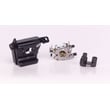
- Carburetor type (diaphragm carb families changed over time)
- Safety equipment labeling (ANSI/UL statements and emissions wording)
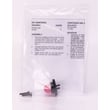
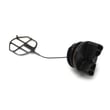
- Parts history: if you’re replacing fuel system parts like the fuel tank cap 580940901 or primer bulb 530071835, heavy varnish and hardened rubber often indicate long storage rather than a specific year
Knowing the year helps you match the correct carburetor parts, fuel line routing, and safety features (like chain brake configurations) so you order the right Craftsman chainsaw parts and avoid fit issues.
Last updated: January 2026
Is a 16 or 18 inch chainsaw better?
For the Craftsman 358351560 gas chainsaw, a 16-inch setup is the better all-around choice for most homeowners because it stays lighter and easier to control for limbing, pruning, and cutting typical firewood. An 18-inch setup is better when you regularly cut larger-diameter wood and can manage the extra weight and kickback risk; confirm what your saw is rated to run in the 358351560 owner's manual.
- Choose 16-inch if you want better maneuverability for trimming, storm cleanup, and smaller logs.
- Choose 18-inch if you often buck thicker rounds and want more reach per cut.
- If you are newer to chainsaws, shorter bars are easier to control and reduce fatigue.
- Longer bars can increase the chance of nose contact and kickback if technique slips.
- Match the bar length to the chain pitch/gauge and drive link count specified for your saw.
The manual emphasizes two-handed operation, stable footing, and avoiding situations that increase loss of control. A longer bar adds leverage and weight at the front of the saw, which can make control harder, especially near the bar tip where kickback risk is highest. Review the kickback and operating guidance in the 358351560 owner's manual.
| Feature | 16-inch bar | 18-inch bar |
|---|---|---|
| Best for | Pruning, limbing, general firewood | Larger firewood, small-tree felling, thicker logs |
| Handling | Lighter, more nimble | Heavier, more front-weighted |
| Typical cut capacity | Best on small to medium diameter | Better reach and capacity per pass |
| User skill fit | Great for most homeowners | Better for experienced users |
If you are replacing wear items, use parts listed for model 358351560 so the bar and chain match the sprocket and oiler output.
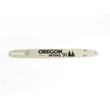
- Bar option shown for this model: bar 16" 160SDET041
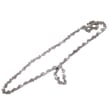
- Chain option shown for this model: chain 91PX056G
- If the chain is cutting rough or binding, check tension and sharpness guidance in the manual before changing bar length.
Why it matters: The “better” bar length is the one that matches your typical wood size while keeping the saw controllable; control directly affects cut quality, fatigue, and kickback risk.
Last updated: January 2026