 Error Codes


How long should a Hotpoint tumble dryer last?
A Hotpoint tumble dryer like model NJLR473EV0WW typically lasts 10 to 15 years. Consistent airflow (clean lint screen and venting), avoiding overloads, and fixing early wear items helps you reach the high end of that range.
Typical lifespan and what affects it
Most electric dryers fall into a predictable lifespan range; what changes is how hard the dryer has to work each cycle.
- Clean the lint screen before every load (airflow is everything)
- Keep the exhaust vent run short and clear of lint buildup
- Avoid overloading; heavy loads strain the drum support and drive system
- Use the right heat setting; excessive heat accelerates wear
- Address squealing, thumping, or slow drying early
Parts that commonly limit dryer life
If the dryer still heats and tumbles but is noisy or takes longer to dry, these are common wear points on NJLR473EV0WW:
| Symptom | Common cause | Example part for this model |
|---|---|---|
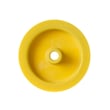
| Squealing or chirping | Worn belt support pulley | Idler pulley WE12X83 |
| Rumbling or scraping | Worn drum support surfaces | Drum bearing WE3X75 |
| Long dry times, weak airflow | Lint restriction or damaged blower | Dryer blower wheel WE16M15 |
| No heat (but tumbles) | Failed heater circuit | Heater WE11X103 |
Why it matters
A dryer that runs with restricted airflow or worn drum support parts can overheat, dry slowly, and put extra load on the motor and heater. Fixing small issues early often prevents a bigger, more expensive breakdown.
Good maintenance habits (quick checklist)
- Vacuum lint from the lint screen housing periodically
- Inspect the vent hood outside for strong airflow
- Run timed dry occasionally to confirm heat and airflow feel normal
- If drying time suddenly increases, follow dryer takes a long time to dry
Last updated: February 2026
How to remove top of hotpoint tumble dryer?
To remove the top on your Hotpoint electric dryer model NJLR473EV0WW, we typically take out the rear screws that secure the top panel, then slide the top back slightly and lift it off. Unplug the dryer first so you can work safely around wiring and sharp edges.
Before you start (safety and setup)
- Unplug the power cord (electric dryers use 240V).
- Pull the dryer out so you can access the back edge.
- Wear cut-resistant gloves; cabinet edges are sharp.
- Have a 1/4-inch nut driver or Phillips screwdriver ready (fastener type varies).
- Keep a small cup for screws so none get lost.
Steps to remove the top panel
- Remove rear top screws: Along the back edge of the top panel, remove the screws securing the top to the rear panel (commonly 3 to 5 screws).
- Slide the top back: With screws removed, push the top panel toward the back about 1/2 to 1 inch to release the front retaining tabs.
- Lift the top off: Lift the rear of the top panel first, then lift it away from the cabinet.
- If it will not release: Check for hidden screws near the back corners or under any rear trim.
If the top is stuck, what to check
- Lint buildup at seams: Vacuum the rear seam and corners; packed lint can “glue” panels together.
- Bent retaining tabs: Gently straighten tabs with pliers if they are folded over.
- Stripped screw heads: Use a #2 Phillips bit with firm downward pressure, or a screw extractor if needed.
- Door switch wiring: If you proceed to remove the front panel next, support panels so wiring is not strained.
Common reasons you are removing the top (and parts that often come next)
| Symptom | What you may be accessing | Example part for NJLR473EV0WW |
|---|---|---|
| Squealing or thumping | Belt path and tensioner | Idler pulley WE12X83 |
| Poor airflow, rumbling | Blower housing area | Dryer blower wheel WE16M15 |
| Drum light out | Lamp socket area | Lamp WE05X20431 |
Why it matters
Removing the top correctly prevents broken retaining tabs and cabinet distortion, which helps the drum stay aligned and reduces noise and vibration after reassembly.
Last updated: February 2026
Why is my Hotpoint dryer not blowing heat?
If your Hotpoint NJLR473EV0WW electric dryer runs but doesn’t heat, the most common causes are a failed heating circuit (heater, thermostats, thermal cutout) or a power supply issue where the dryer tumbles on 120V but can’t heat without full 240V. Start with airflow and power checks, then test heat components.
Quick checks first (fastest fixes)
- Confirm the cycle is a heated cycle (not Air Fluff or No Heat).
- Clean the lint screen and make sure the exhaust vent is not crushed or clogged.
- Verify the dryer is getting 240V at the outlet (a tripped double breaker can leave you with only 120V).
- Make sure the drum is turning normally; a severe drag can trigger heat shutdowns.
- If the dryer overheats then stops heating, suspect restricted airflow.
Parts that commonly stop heat on NJLR473EV0WW
On this model, the heating system and airflow parts are frequent culprits:
- Heating element: the internal coil can break and stop heat (see heater WE11X103).
- Blower wheel: a loose or broken wheel reduces airflow and can cause no-heat symptoms (see dryer blower wheel WE16M15).
- Lint screen: a damaged or clogged screen restricts airflow and increases cycling issues (see filter WE18X54).
What to test (in a safe, logical order)
We recommend this sequence because it avoids unnecessary part swaps:
| Step | What you’re checking | What it tells you |
|---|---|---|
| 1 | Airflow at the outside vent | Weak airflow points to vent restriction or blower issue |
| 2 | 240V supply (double breaker, cord, outlet) | Tumble with no heat often means missing one leg of power |
| 3 | Heating circuit continuity | Open heater or safety device stops heat |
| 4 | Blower wheel condition | Poor airflow can prevent stable heating |
Why it matters
An electric dryer can still run the motor and timer on 120V, but the heater needs full 240V and strong airflow to operate safely. Fixing venting and confirming power often restores heat without replacing major components.
For step-by-step guidance, use our electric dryer wont heat troubleshooting video.
Last updated: February 2026
Why does my Hotpoint tumble dryer squeak?
A squeak in your Hotpoint electric dryer model NJLR473EV0WW almost always comes from friction in the drum support system or belt path. The most common causes are a worn idler pulley, dry or worn drum bearing surfaces, or a blower wheel rubbing due to lint buildup or a loose mount.
Quick checks we recommend first
- Unplug the dryer before removing any panels.
- Confirm the noise happens only while the drum tumbles (not just when the motor runs).
- Check the lint screen and exhaust vent for heavy lint restriction.
- Listen for a rhythmic squeak (often belt/idler) vs. a scraping squeal (often bearing or blower contact).
Most common squeak sources on NJLR473EV0WW
| Symptom | Most likely area | What it usually means |
|---|---|---|
| Squeak once per drum revolution | Drum support/bearing surfaces | Worn or dry bearing points, drum rubbing |
| High-pitched squeak that changes with load size | Belt tension path | Idler pulley bearing worn or seized |
| Squeal plus airflow noise or vibration | Blower housing area | Blower wheel rubbing, lint packed in housing |
Parts that commonly fix squeaking
If inspection shows wear, these model-matched parts are common solutions:
- Idler pulley WE12X83 (belt tensioner pulley that can squeak when its bearing wears)
- Drum bearing WE3X75 (supports the drum; wear can cause squeal or scraping)
- Slide bearing WE3X87 (front drum glide surface; wear can cause rubbing noises)
- Dryer blower wheel WE16M15 (can squeal if rubbing or if lint causes imbalance)
Why it matters
A squeak is usually an early warning. If you keep running the dryer, a failing idler pulley or worn bearing surface can overheat, damage the belt path, reduce airflow, and eventually lead to a no-tumble or no-heat complaint.
What to do next
- Clean lint from the lint screen duct and venting; restriction can increase heat and noise.
- Inspect the belt path and drum supports; replace any part that shows flat spots, scoring, wobble, or looseness.
- If you want a step-by-step maintenance routine, follow how to clean and maintain your clothes dryer.
Last updated: February 2026






