Owner’s manual


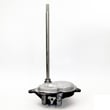
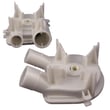
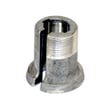
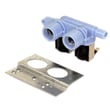
How to tell if a whirlpool drain pump is bad?
A bad drain pump on your Whirlpool LSQ9200LQ0 typically shows up as a washer that will not drain (or drains very slowly), often with unusual humming or grinding during the drain portion of the cycle. Before replacing parts, we confirm the lid is closed and the drain hose setup is correct per the owner's manual.
- Tub stays full of water after the drain/spin portion of the cycle
- You hear the motor running but little or no water moves out
- Humming, rattling, or grinding sounds during drain
- Draining improves briefly after clearing a clog, then fails again
- Water drains out but the washer still will not spin (a separate spin issue can also be present)
These checks rule out common “no drain” causes that can look like a failed pump.
- Make sure the lid is fully closed; this model will not agitate or spin with the lid open
- Check the drain hose for a clog or kink
- Confirm the drain hose height is not more than 96 in. (244 cm) above the floor
- Make sure the drain hose is not sealed to the standpipe; it needs an air gap
- Reduce detergent if you see excessive sudsing (suds can slow or stop draining)
- Unplug the washer.
- Access the pump and check the inlet/outlet hoses for socks, lint, or debris.
- Spin the pump impeller by hand; it should turn smoothly (a jammed or wobbly impeller indicates pump damage).
- If the pump is clear but still will not move water during drain, replacement is the next step.
| Symptom | Most likely part | Notes |
|---|---|---|
| Won’t drain, pump noisy, impeller stuck | Washer drain pump WP3363394 | Most common fix when hoses are clear |
A weak or jammed drain pump can leave water in the tub, cause poor rinsing, and prevent proper spin performance. Fixing the drain issue first also prevents misdiagnosing other parts like the clutch or motor coupling.
Last updated: February 2026
What is the most expensive part to replace on a washing machine?
On a Whirlpool LSQ9200LQ0 direct-drive washer, the most expensive repairs are usually major drive-system or tub components, especially the gearcase area and basket/tub-related work. Those jobs cost more because the parts are larger and the teardown labor is higher than common fixes like a pump or coupling.
These are the repairs that most often drive the highest total cost (parts plus labor):
- Gearcase/drive system work (often involves multiple components and significant disassembly)
- Basket or tub-related repairs (heavy parts; more teardown time)
- Drive motor replacement (higher-cost electrical/mechanical component)
- Timer or control replacement (less labor than a tub job, but the part can be pricey)
Here are model-specific examples from common “big ticket” categories:
| Repair category | Example part on this model | Why it can be expensive |
|---|---|---|
| Drive motor | Washer drive motor WP661600 | Higher-cost component; may require cabinet and pump/motor removal |
| Gearcase area | Actuator 3360629 | Major drive-system area; repairs often involve deeper disassembly |
| Basket/tub | Drive basket (W10820043) or tub-related work | Large parts; labor-intensive access |
| Controls | Washer timer (WP3951702) | Part cost can be high even if labor is moderate |
On a direct-drive washer like the LSQ9200LQ0, the “most expensive part” is often less about a single item and more about the repair scope. Anything that requires pulling the cabinet, removing the basket, or opening the drive system typically increases labor time and total cost.
Use these quick checks before ordering parts:
- Compare the part price to the washer’s overall condition (rust, leaks, noise, vibration)
- Identify symptoms first (won’t spin, won’t drain, loud during spin) to avoid replacing the wrong part
- Check for simpler, common fixes that mimic major failures (coupling, clutch, pump)
- Follow safety and service guidance in the owner's manual
Last updated: February 2026
What is the life expectancy of a Whirlpool LSQ9200LQ0 washer?
A Whirlpool LSQ9200LQ0 direct-drive washer typically lasts about 12 to 15 years. With normal household use and basic maintenance (leveling, not overloading, and fixing small leaks early), it commonly reaches the upper end of that range.
Most top-load, direct-drive Whirlpool washers like the LSQ9200LQ0 land in this range, but real-world life depends on a few factors:
- Load size and frequency (heavy, daily use shortens life)
- Overloading (stresses the motor coupling, clutch, and drive system)
- Drain and fill health (slow draining or valve issues can cause repeat strain)
- Vibration and balance (worn suspension springs increase wear)
- Water quality (sediment can affect the inlet valve and internal seals)
A washer can still be “within its lifespan” but need common wear-item repairs. On this model, the most frequent age-related fixes are usually in the drive and drain systems.
| Symptom | Common wear area | Example part for this model |
|---|---|---|
| Won’t spin or makes grinding/rattling | Motor-to-transmission drive | Washer motor coupling 285753A |
| Won’t drain or leaves water in tub | Drain pump | Washer drain pump WP3363394 |
| Agitator moves poorly or “slips” | Agitator dogs | Agitator dog 80040 |
| Slow fill or no fill | Water inlet valve | Washer inlet valve 285805 |
Knowing the 12 to 15 year expectation helps you decide whether to repair or refresh key parts. If the washer is otherwise solid (no major tub leaks and the basket is in good shape), replacing a few common parts can restore reliable washing for years.
Use the maintenance and operating guidance in the owner's manual to reduce wear (especially proper loading and bleach use) and to match symptoms to the right repair path.
Last updated: February 2026
What is the most common problem with whirlpool washers?
On Whirlpool direct-drive washers like model LSQ9200LQ0, the most common service issues are won’t drain or spin, won’t start, and leaks. Many of these trace back to simple checks (lid closed, correct cycle start, hose height) or a few high-wear parts such as the drain pump or motor coupling; see the owner's manual for model-specific troubleshooting steps.
- Washer won’t drain or spin: clogged/kinked drain hose, drain hose too high (over about 96 inches), excessive suds, or a failing pump
- Washer won’t start: cycle knob not aligned or not pulled to start, power supply issue (breaker/fuse), lid not closed
- Fills slowly or not at all: clogged inlet valve screens, faucets not fully on, kinked inlet hoses
- Keeps filling or draining (seems stuck): drain hose positioned too low, sealed/taped standpipe (no air gap)
- Poor wash action or weak agitation: worn agitator dogs or drive components
- Confirm the lid is fully closed; this model will not agitate or spin with the lid open.
- Turn the cycle control knob slightly to the right and pull to start.
- Verify hot and cold faucets are on; check for kinked hoses.
- Check the drain hose setup:
- Keep the hose end higher than the washer’s water level
- Avoid sealing the standpipe with tape; it needs an air gap
- Reduce detergent if you see excess sudsing.
| Symptom | Common part to check | What it affects |
|---|---|---|
| Won’t drain / water left in tub | Washer drain pump WP3363394 | Pumps water out during drain/spin |
| No spin / loud grinding / won’t agitate | Washer motor coupling 285753A | Connects motor to transmission on direct-drive designs |
| Agitator moves poorly (top section slips) | Agitator dog 80040 | Helps the agitator “ratchet” and move clothes |
Drain and spin problems can leave clothes soaking wet and can also cause the cycle to appear “stuck.” Catching a hose setup issue or a worn coupling early often prevents bigger wear on the clutch, drive block, and basket drive components.
Last updated: February 2026