
Are air compressor connectors universal?
Most air compressor connectors are not truly universal. On a Craftsman 106153780 twin-cylinder tank-type paint sprayer, many couplers and plugs look interchangeable, but you still need to match the connector style and size (and sometimes the airflow rating) to avoid leaks, poor tool performance, or a coupler that will not latch.
In practice, “universal” typically means a coupler is designed to accept more than one common plug profile. That can be convenient, but it does not guarantee the best seal or full airflow.
Common variables that must match:
- Plug/coupler profile (for example, industrial vs automotive style)
- Body size (commonly 1/4-in body for many DIY air tools)
- Thread size (often 1/4-in NPT on hoses, regulators, and manifolds)
- Airflow (SCFM) capacity of the coupler and plug
- Seal condition (internal O-ring and latch wear)
We recommend matching the connector style across your compressor outlet, hose, and tools so everything locks positively and flows air consistently.
| What you want | Best choice | Why it helps |
|---|---|---|
| No surprises, best fit | Same plug/coupler series everywhere | Most reliable latch and seal |
| Mix tool brands occasionally | “Universal” coupler (if it fits your plugs) | Convenience with mixed plug types |
| Maximum tool performance | High-flow couplers and matching plugs | Reduces pressure drop at the tool |
- Confirm the thread type and size on the compressor outlet/regulator (commonly 1/4-in NPT).
- Pick one plug profile and standardize your hoses and tools to it.
- If a tool seems weak, check for pressure drop across the coupler (a high-flow set often fixes this).
- Replace fittings that hiss, leak, or stick; worn seals and latches waste air.
- Use proper thread sealant (PTFE tape or pipe dope rated for air) and do not overtighten brass.
A connector that “almost fits” can still restrict airflow, causing slow recovery, inconsistent spray patterns (for paint sprayer use), and frequent compressor cycling. Matching the right coupler and plug style keeps pressure stable and reduces leaks.
For help confirming the correct model identification before ordering fittings or other items, use how to find your appliance model number (and what it means for parts).
Last updated: February 2026
Can I turn my air compressor into a pressure washer?
Yes, you can rig a Craftsman 106153780 twin-cylinder tank-type paint sprayer air compressor to assist with rinsing or applying soap using specialty air-powered cleaning attachments, but it will not perform like a real pressure washer. Pressure washers are built for sustained high water pressure and flow; an air compressor setup is typically limited to light-duty cleaning.
An air-compressor-based setup is best for blowing off debris, misting, or foaming, not stripping stuck-on grime.
- Good for: light rinsing, pre-soak/soap application, drying crevices, blowing off dust
- Not good for: concrete, heavy mildew, paint stripping, deep driveway cleaning
- Common limitation: low water flow (GPM) and inconsistent spray compared to a pressure washer
- Typical pressure reality: many compressor-driven sprayers feel closer to a strong hose nozzle than a washer wand
| Feature | Air compressor setup | Dedicated pressure washer |
|---|---|---|
| What it’s designed to move | Air | Water |
| Cleaning power driver | Air pressure and nozzle effect | High water pressure plus flow |
| Best use | Light-duty rinsing/foaming | Heavy-duty cleaning |
| Duty cycle | Depends on tank recovery | Built for continuous spray |
We recommend keeping expectations realistic and focusing on safety and compatibility.
- Use a purpose-built attachment rated for your compressor’s pressure and your hose fittings
- Keep the compressor upright and ventilated; don’t run it in a closed space
- Add a water filter at the hose to reduce grit that can clog small nozzles
- Start with low pressure and increase gradually to avoid overspray and damage
- Wear eye protection; atomized water and debris rebound fast
Using the wrong tool for the job usually wastes time and can damage surfaces. A pressure washer’s advantage is not only PSI, but also the water flow (GPM) and pump design that keep cleaning power consistent.
For general DIY safety practices before modifying tools or testing electrical components (switches, cords, or motors), we recommend reviewing are diy appliance repairs safe.
Last updated: February 2026
How do I find my compressor model number?
For your Craftsman air compressor model 106153780, the model number is typically printed on a nameplate or sticker on the tank or frame. Look for a label that lists the model and serial number; take a clear photo so you can match parts and diagrams accurately.
Check these common spots first:
- Side of the air tank (most common)
- Near the motor or pump mounting plate
- On the frame/base rail close to the wheels or feet
- Near the pressure switch cover area
- On the rear of the tank near the drain valve
Write down or photograph these items:
- Model number (for this page, it is 106153780)
- Serial number (helps confirm production run)
- Voltage/amps (useful for motor and switch troubleshooting)
- Max PSI and tank size (helps match regulators and safety valves)
| Label item | Why we need it | Example format |
|---|---|---|
| Model number | Ensures correct parts lookup | 106153780 |
| Serial number | Confirms exact build/version | Letters and numbers |
| Electrical rating | Helps diagnose power issues | 120V, amps |
Use these practical checks to narrow it down:
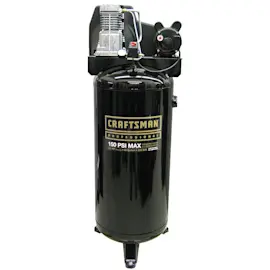
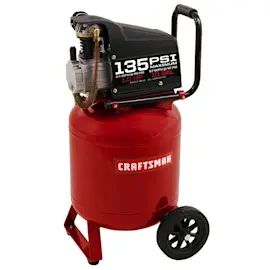
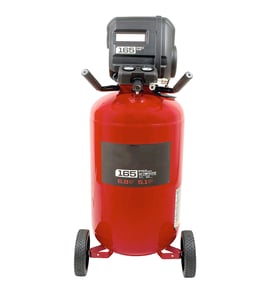
- Compare the tank shape, wheel/handle style, and pump layout to the diagrams for this model
- Look for stamped numbers on the tank collar or frame rail
- Clean the label area with a damp cloth; avoid solvents that can erase printing
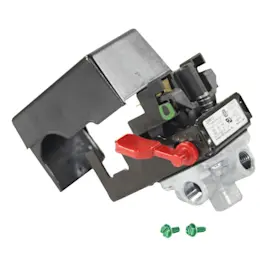
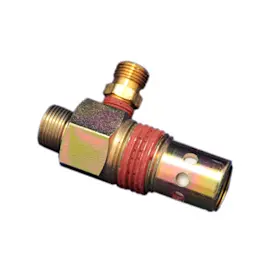
Air compressor parts like pressure switches, regulators, check valves, and safety valves are matched by model and configuration. Using the correct model number prevents ordering parts that do not fit or that have different pressure or electrical ratings.
For more help identifying and using the right model number for parts lookup, use how to find your appliance model number (and what it means for parts).
Last updated: February 2026
What is the most common cause of air compressor failure?
On the Craftsman 106153780 twin-cylinder tank-type air compressor, the most common cause of failure is poor maintenance that leads to overheating and rapid internal wear. A dirty intake filter, neglected oil changes on the oil-lubricated pump, and unresolved air leaks make the unit run longer and hotter until performance drops or parts fail.
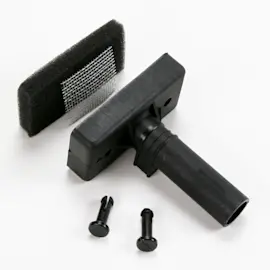
- Restricted intake airflow: clogged intake filter or blocked cooling fins; pump runs hot, recovery slows.
- Overheating from overuse: long continuous run time; hot pump head, frequent thermal shutdown.
- Oil-lubrication neglect: low oil level or dirty oil; louder knocking, higher operating temperature, faster wear.
- Air leaks: fittings, hose, tank drain, check valve area; frequent cycling, can’t reach cut-out pressure.
- Electrical problems: weak outlet circuit, damaged cord, failing pressure switch or capacitor; hard starting, breaker trips.
- Check and clean the intake filter so the pump can breathe.
- Verify oil level and condition (oil should look clean; top off only with the correct compressor oil).
- Do a soapy-water leak test on fittings, regulator, drain valve, and check valve area.
- Drain the tank after use to reduce moisture and internal corrosion.
- Confirm power supply: use a dedicated outlet and avoid long, undersized extension cords.
| Symptom | Most likely cause | What to do first |
|---|---|---|
| Runs constantly, won’t reach pressure | Air leak or worn valves | Leak test, then evaluate valve sealing |
| Gets very hot, shuts off | Dirty filter, blocked fins, overuse | Clean airflow paths; reduce run time |
| Trips breaker on start | Supply issue, capacitor, motor load | Try dedicated outlet; test electrical parts |
| Pressure drops after shutoff | Leak at fittings or check valve | Soapy-water test; tighten or reseal |
Heat and run time are the main accelerators of compressor wear. Keeping airflow clear, oil maintained, and leaks sealed reduces duty cycle and temperature, which prevents pump and motor damage.
For safe electrical testing steps, use how to use a multimeter to test electrical parts video.
Last updated: February 2026