Owner’s manual


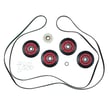
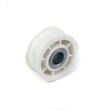
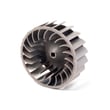
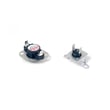
How to take off the front panel of a Kenmore dryer?
For Kenmore dryer model 11087531701, we remove the front panel by disconnecting power, opening up the top or console area to access fasteners, then removing the screws that secure the front panel and lifting it off. Use the 11087531701 owner's manual for the exact screw locations and panel sequence.
Safety first
- Unplug the dryer (or switch off the breaker) before starting.
- If it is a gas model, shut off the gas supply valve.
- Wear cut-resistant gloves; cabinet edges can be sharp.
- Take a photo of any wire connections before disconnecting them.
- Support the drum if the front panel also supports the drum on your build.
Step-by-step: removing the front panel (typical for this Kenmore style)
- Disconnect power and pull the dryer forward enough to work safely.
- Remove the lint screen (if it is top-mounted) and take out any screws under the lint screen housing.
- Release the top: insert a putty knife a few inches in from each front corner to release spring clips, then lift the top.
- Remove front panel fasteners:
- Remove screws along the top edge of the front panel (accessible with the top raised).
- Open the door and remove screws in the door opening that secure the front panel.
- Disconnect door switch wiring (if attached to the front panel) and label the connector.
- Lift the front panel up and off the lower retaining tabs or clips.
What you can access once the front panel is off
Removing the front panel is commonly done to service drive and airflow parts such as:
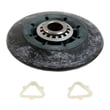
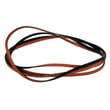
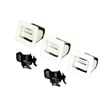
- Belt and idler system (often replaced with a dryer repair kit 4392067)
- Drum support rollers (for squealing or thumping)
- Blower housing area (for poor airflow or rattling)
Quick reference table
| What you see | What it usually means | What to do next |
|---|---|---|
| Screws in door opening | Front panel is door-frame secured | Remove those screws before lifting panel |
| Spring clips under top | Top must be released first | Use putty knife to pop clips |
| Door switch harness | Wiring is attached to panel | Unplug connector before fully removing panel |
Why it matters
Taking the front panel off the right way prevents bent cabinet panels, broken plastic clips, and pinched wiring. It also makes belt, drum, and blower repairs faster and safer.
Last updated: February 2026
What does E1 mean on a Kenmore Elite dryer?
On Kenmore dryer model 11087531701, an E1 code points to an exhaust temperature problem that the dryer’s control is detecting (temperature reading out of the normal operating range). The most common cause is a failing temperature sensor (thermistor) or restricted airflow.
What to check first (fast, high-impact steps)
- Unplug the dryer for 1 minute, then restore power and try a timed dry cycle.
- Clean the lint screen and confirm it seats fully.
- Check the vent path for restriction (crushed flex vent, clogged wall duct, blocked outside hood).
- Run the dryer 5 to 10 minutes and verify strong airflow at the outside exhaust.
- If airflow is weak, correct venting before replacing parts.
Parts that commonly cause E1 symptoms
If airflow is good, the temperature sensing circuit is the next place to focus.
- Dryer thermistor: measures exhaust temperature; a bad reading can trigger E1. Consider replacing the dryer thermistor WP8577274.
- Thermal cut-off/fuse issues: overheating events can damage safety components; inspect and test the dryer thermal cut-off fuse kit 279973 if the dryer also shuts down or overheats.
Quick symptom-to-likely-cause guide
| What you notice | Most likely cause | What we recommend |
|---|---|---|
| Long dry times, clothes still damp | Vent restriction | Clean/repair venting first |
| Dryer gets very hot, cabinet smells hot | Restricted airflow or cycling issue | Fix venting; then test thermistor |
| E1 appears quickly after start | Thermistor circuit problem | Test/replace thermistor |
Why it matters
E1 is often tied to airflow and temperature control. Fixing venting protects the heating system, helps prevent repeat shutdowns, and restores normal dry times.
Where to find model-specific guidance
We recommend following the troubleshooting and venting guidance in the 11087531701 owner’s manual, including lint removal and airflow checks.
Last updated: February 2026
What is the average lifespan of 11087531701?
The average lifespan of the Kenmore 11087531701 dryer is 13 years with normal household use and basic maintenance. Keeping airflow strong (clean lint, correct vent length) and replacing wear parts like the belt and idler pulley on time helps you reach that service life.
What affects lifespan most
A dryer’s life is usually determined by heat stress, airflow restriction, and normal wear on moving parts.
- Venting and airflow: long or kinked venting raises heat and shortens dryer life
- Lint buildup: increases drying time and operating temperature
- Wear parts: belt, rollers, and idler pulley wear gradually and can start squealing or slipping
- Overloading: strains the drive system and motor
- Heat control: failed temperature sensing can overheat components
Maintenance that extends life
Use these habits to keep your 11087531701 running efficiently.
- Clean the lint screen every load; replace a damaged screen such as screen W10120998
- Periodically remove lint from the exhaust path and cabinet (unplug first)
- Keep venting as short and straight as possible; the venting chart in the owner's manual shows maximum lengths and notes that overly long runs shorten dryer life
- Watch for slow drying; it usually points to restricted airflow or a weak blower
- Address squealing or thumping early; a kit like dryer repair kit 4392067 commonly restores smooth drum support
Quick symptom-to-part guide
| Symptom | Most common cause | Example part on this model |
|---|---|---|
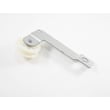
| Squealing, chirping | Worn idler/rollers | Dryer idler pulley 279640 or dryer repair kit 4392067 |
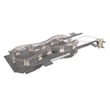
| Runs but no heat | Heating circuit issue | Dryer heating element WP8544771 or dryer thermal cut-off fuse kit 279973 |
| Long dry times | Airflow restriction or blower issue | Dryer blower wheel WP697772 |
| Overheating or temp issues | Sensor problem | Dryer thermistor WP8577274 |
Why it matters
A dryer that dries slowly runs hotter and longer; that extra heat shortens the life of the heating system, motor, and drum support parts. Following the venting limits and cleaning guidance in the manual protects performance and longevity.
Last updated: March 2026