 Owner’s manual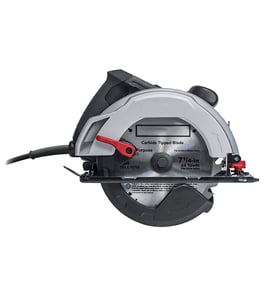

Is a 6 1/2 or 7 1/4 circular saw better?
For most jobs, a 7-1/4 inch circular saw is better because it delivers more cutting depth and versatility (especially for framing and 2x lumber). Our Craftsman model 315114260 is a smaller 5-1/2 inch 19.2 V cordless trim saw, so it is built for portability and lighter cuts; see the 315114260 owner's manual for its exact blade and depth limits.
Quick comparison: 6-1/2 vs 7-1/4
- 7-1/4 inch: best all-around size for deeper cuts and common jobsite tasks
- 6-1/2 inch: lighter and easier overhead; great for sheet goods and quick cuts
- Both: can crosscut and rip cut well when the blade is sharp and the work is supported
| Feature | 6-1/2 inch saw | 7-1/4 inch saw |
|---|---|---|
| Typical best use | Plywood, OSB, trim, lighter framing | Framing, decking, general construction |
| Cutting depth | Moderate | Deeper (more capacity) |
| Weight/handling | Easier to carry and control | Heavier but more capable |
| Blade availability | Common | Most common (widest selection) |
How to choose the better size for your work
Pick the size based on what you cut most often:
- Choose 7-1/4 inch if you regularly cut 2x lumber, need more depth at bevels, or want the most blade options.
- Choose 6-1/2 inch if you prioritize lighter weight, do lots of sheet goods, or want a compact cordless setup.
- If you already own the Craftsman 315114260, stick with the maximum blade size listed in the manual; using an oversized blade can contact the guard and create a serious safety hazard.
Why it matters (performance and safety)
Bigger blades generally mean more depth and fewer “can it make this cut?” limitations. Smaller saws are easier to control, but they reach their limits sooner, especially on thicker stock and bevel cuts. Regardless of size, we recommend setting blade depth so only about one tooth projects below the material to help reduce kickback.
Parts and documentation
For model-specific specs (blade diameter, arbor size, and cutting depth) and safe blade installation steps, use the 315114260 owner's manual. If you need to look up replacement parts by model number, search through the parts listings or use Sears PartsDirect.
Last updated: February 2026
Is it better to have more teeth on a circular saw blade?
More teeth is better when you want a smoother, cleaner cut; fewer teeth is better when you want faster cutting and better chip removal. On the Craftsman 315114260 19.2-v cordless trim saw, choose tooth count based on the material and the finish you need, then set proper blade depth to reduce kickback risk (see the 315114260 owner's manual).
How tooth count affects the cut
- More teeth (higher TPI): smoother edge, less tear-out; slower feed rate
- Fewer teeth (lower TPI): faster cutting; rougher edge; better for ripping
- Thin materials: too few teeth can grab and splinter; too many can burn if you push too slowly
- Hardwood vs. softwood: hardwood usually benefits from more teeth for cleaner crosscuts
- Wet or warped lumber: avoid it when possible; it increases binding and rough cuts
A practical tooth-count guide
Use this as a starting point, then adjust for your blade diameter and the finish you want.
| Cut type | Typical best choice | What you will notice |
|---|---|---|
| Ripping with the grain | Fewer teeth | Faster cut, rougher edge |
| Crosscutting | More teeth | Cleaner edge, slower cut |
| Finish cuts (trim, plywood) | More teeth | Less chipping and tear-out |
| Thick stock | Moderate tooth count | Balanced speed and finish |
Setup tips that matter as much as tooth count
A great blade still cuts poorly if the saw is set up wrong.
- Set blade depth so it extends about 1/4 inch below the material (deeper cuts are rougher and can increase kickback risk)
- Use steady, even pressure; do not force the cut
- Support large panels to prevent sagging that can pinch the blade
- Avoid dull or damaged blades; they increase friction and binding
- Confirm the blade is installed in the correct direction; the manual shows the tooth orientation
Why it matters
Tooth count is a tradeoff between cut quality and cut speed. Matching the blade to the job helps prevent binding and kickback, and it also reduces strain on the motor and battery. If you need to look up the correct blade installation steps or depth setting for this saw, use the 315114260 owner's manual. For replacement parts and accessories, search by model number on Sears PartsDirect.
Last updated: February 2026
Why is my Craftsman circular saw not spinning?
If your Craftsman 315114260 19.2-v cordless trim saw isn’t spinning, the most common causes are a weak or unseated battery pack, blade binding (guard or debris), a trigger or wiring fault, or worn motor brushes that stop power from reaching the armature.
Quick checks (fastest fixes)
- Remove the battery pack, then reinstall it firmly until it locks.
- Try a fully charged, known-good battery pack.
- Inspect the blade and lower guard for binding; clear sawdust and debris.
- Confirm the lower guard moves freely and closes instantly.
- If it stopped mid-cut, let the tool cool, then try again.
Electrical and motor checks
If the saw is completely dead or only runs intermittently, focus on power delivery through the handle and motor.
- If it runs when you wiggle the trigger/handle: suspect a failing trigger switch or loose wiring.
- If you smell burning or see heat discoloration at the motor housing: suspect motor brushes or the armature.
- Check for damaged wires where they flex near the handle.
Use the exploded view, parts list, and wiring information in the 315114260 owner's manual to match what you see to the correct component.
Symptom-to-cause guide
| What you notice | Most likely cause | What to do next |
|---|---|---|
| No sound, no movement | Battery not seated, dead pack, bad trigger, broken wire | Reseat pack, try known-good pack, inspect trigger/wiring |
| Motor tries to start | Blade binding, debris, tight/sticking guard | Clear debris, verify guard movement, check blade |
| Runs sometimes | Worn brushes, loose wiring, failing switch | Inspect brushes and wiring; replace failed part |
Why it matters
Repeatedly cycling the trigger or forcing a bound blade can worsen switch, wiring, or brush damage and increases the chance of binding and kickback on restart.
For replacement parts, use the model-based parts list first; you can also search by model number on Sears PartsDirect.
Last updated: February 2026
