Owner’s manual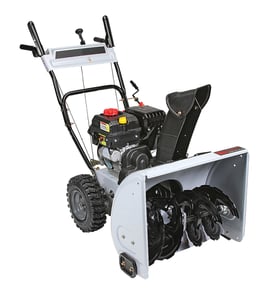

What is the fuel mix for a Craftsman snowblower?
For the Craftsman C950-52119-3 gas snow thrower, the correct fuel mix depends on whether your engine is 2-cycle or 4-cycle: 2-cycle engines use a gas and 2-cycle oil mix (commonly 40:1 or 50:1), while 4-cycle engines use straight gasoline and separate engine oil in the crankcase. We use the fuel and oil specs listed in the owner's manual for your exact engine setup.
Use these quick checks before you add fuel:
- Look for an oil fill cap and dipstick on the engine; that indicates a 4-cycle engine (no fuel mixing).
- Look for a fuel cap label that says “mix” or shows a ratio; that indicates a 2-cycle engine.
- Check the engine model label (often Tecumseh on this unit) and match it to the fuel section in the manual.
- If the unit has a separate oil drain plug and oil level check, it is 4-cycle.
- If there is no oil fill point on the engine, it is typically 2-cycle.
If your manual specifies a mix ratio, use it exactly. Here is what the common ratios translate to:
| Mix ratio | Gasoline | 2-cycle oil |
|---|---|---|
| 40:1 | 1 gallon | 3.2 oz |
| 50:1 | 1 gallon | 2.6 oz |
Using the wrong fuel setup can cause hard starting, heavy smoke, plug fouling, or internal engine damage. A 2-cycle engine needs oil in the fuel for lubrication; a 4-cycle engine needs the correct oil level in the crankcase and clean gasoline in the tank.
If you are troubleshooting starting or running issues after fueling, we recommend:
- Drain old fuel and refill with fresh, properly mixed fuel (2-cycle) or fresh gasoline (4-cycle).
- Inspect the spark plug and replace if fouled.
- Check for loose wiring or a bad connection at the starter or ignition circuit.
- Verify fasteners are tight after service; a missing fastener can cause vibration and misalignment.
If you need replacement hardware during service, you can match what you remove to the parts list; for example, the screw 33329H is one of the listed fasteners for this model. For ordering, use the parts list for C950-52119-3 or search by model on Sears PartsDirect.
Last updated: February 2026
Is it worth fixing an old snowblower?
Yes, it’s worth fixing an older Craftsman gas snow thrower when the problem is a normal wear item or adjustment and the machine is otherwise solid. For the Craftsman C950-52119-3 (9 HP), repairs like tires, drive components, and routine tune-up parts typically make sense when they restore reliable starting and forward drive. See the maintenance and repair procedures in the owner's manual.
We use these practical checkpoints before spending money:
- Repair it when the issue is a wear part (tire, friction wheel, belt, shear pins) or a simple adjustment.
- Repair it when the machine still throws snow strongly and the auger and impeller are in good shape.
- Replace it when the engine has low compression, heavy smoking, or repeated no-start problems after a proper tune-up.
- Replace it when the drive system has multiple worn components (friction wheel plus bearings plus axle issues) and the total cost climbs.
- Replace it when you’re dealing with frequent breakdowns that keep it out of service during storms.
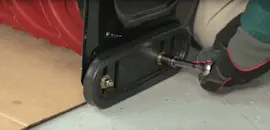
Your C950-52119-3 has clear service guidance for keeping it dependable (oil checks, lubrication, post-use snow removal). If the snowblower won’t move forward, a worn friction wheel is a common, fixable cause; the manual outlines how to replace the friction wheel and the related steps (wheel removal, bottom panel access, hex shaft area).
- Snowblower starts but does not drive in forward or reverse
- Drive feels jerky or slips under load
- One wheel is damaged or won’t hold air
Use this simple comparison to keep the decision objective.
| What you’re fixing | Typical outcome | When it’s worth it |
|---|---|---|
| Tire or wheel issue | Restores traction and control | Tread is worn, tire is cracked, rim is bent |
| Drive slip/no movement | Restores forward drive | Friction wheel or linkage issue |
| Basic tune-up | Improves starting and power | Seasonal maintenance was skipped |
If you need a wheel-related replacement for this model, we list options like tire & rim 1 770612 and tire 770611. For hard-to-match hardware, confirm size and application before ordering items like screw 33329H. You can also search by model number on Sears PartsDirect.
A snowblower that drives reliably and throws snow consistently is safer and faster to use. Fixing traction and drive issues also reduces strain on the engine and drivetrain, which helps the machine last longer.
Last updated: February 2026
Should I use 87 or 91 for snowblower?
For the Craftsman C950-52119-3 gas snow thrower, use fresh 87 octane unleaded gasoline for normal operation. If you have a choice, pick fuel with 0% ethanol or no more than 10% ethanol (E10); higher octane (91) is not required unless your C950-52119-3 owner's manual specifies it.
- Use fresh gas (ideally purchased within the last 30 days).
- Choose ethanol-free when available; otherwise use E10 max.
- Avoid old fuel that smells sour or looks dark.
- Keep the fuel cap tight and store fuel in an approved container.
- At season end, run the tank empty or treat the fuel to prevent gum deposits during storage.
| Fuel choice | When it makes sense | What to watch for |
|---|---|---|
| 87 octane (regular) | Best everyday choice for most snowblower engines | Must be fresh; avoid high ethanol |
| 91 octane (premium) | Only helpful if it is the easiest way to get ethanol-free fuel | Costs more; octane alone does not prevent fuel issues |
Most snowblower problems blamed on “bad gas” are really fuel age and ethanol-related issues (varnish, gum deposits, hard starting after storage). Your manual also emphasizes safe storage practices, including not storing the machine indoors with fuel in the tank and preparing the fuel system for extended storage.
- Check engine oil level before each use and change oil on schedule.
- After snowblowing, let the engine idle briefly to melt snow and ice on the engine.
- Clear packed snow and ice from the machine to prevent damage.
- Inspect auger and impeller for ice or debris before starting.
- Keep fasteners tight and inspect wear items regularly.
If you are shopping for replacement parts while you tune up, you can use the parts list for this model or search by model number on Sears PartsDirect.
Last updated: February 2026