 Owner’s manual



How many years should a GE washing machine last?
A GE washing machine typically lasts 10 to 14 years. For your GE GFW650SSN1WW front-load washer, lifespan depends most on load size, detergent use (HE only), monthly cleaning, and keeping moisture under control; our maintenance steps below help you reach the high end of that range.
We see these factors make the biggest difference over time:
- Overloading (stresses the drive system and suspension)
- Too much detergent (causes oversudsing and residue that can lead to odors and leaks)
- Skipping monthly tub cleaning (buildup shortens component life)
- Not drying the door area (moisture can damage seals and create odor issues)
- Old fill hoses (risk of leaks increases as hoses age)
For model-specific care and cleaning steps, follow the GFW650SSN1WW owner’s manual.
The manual for this model calls out a monthly Self Clean routine and regular gasket checks.
| Task | How often | Why it helps |
|---|---|---|
| Run Self Clean with 1 cup liquid bleach | Monthly (or every 30 to 40 cycles) | Reduces residue and odor-causing buildup |
| Wipe and inspect door gasket/boot area | Weekly | Helps prevent leaks and mildew |
| Clean dispenser drawer area | Monthly | Prevents clogs and detergent residue |
| Replace water supply hoses | Every 5 years | Reduces leak risk |
If your washer is otherwise in good shape but you notice symptoms like not draining, stopping mid-cycle, or not starting, it is often tied to a serviceable component rather than “end of life.” Common examples include:
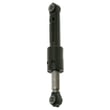
- Drain problems: check the pump filter and drain path; a failing pump may require the GE washer drain pump assembly WH11X39237
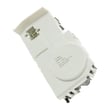
- Door won’t lock or start issues: inspect the latch/lock system; the GE washer door lock WH01X29528 is a common wear item
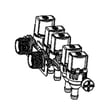
- No fill or slow fill: sediment or valve issues can point to the GE washer water inlet valve WH23X29553
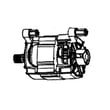
A washer that is cleaned regularly and not overloaded runs with less vibration, less residue, and fewer leak events. That reduces stress on high-cost parts like the drive motor, control boards, and door boot, helping your GE GFW650SSN1WW reach its expected service life.
Last updated: January 2026
What is the biggest problem with front load washers?
For the GE GFW650SSN1WW, the biggest day-to-day problem we see with front-load washers is odor from mold and mildew when moisture and detergent residue stay trapped around the door seal and dispenser area. Good drying and cleaning habits usually prevent it (see the GFW650SSN1WW owner’s manual).
Front-load washers seal tightly for efficiency. That tight seal can hold moisture in the door boot folds and around the door glass, which encourages odor and residue buildup.
Why it matters: odors are usually a maintenance issue, not a performance defect; keeping the seal area dry helps protect the gasket, reduces leaks, and keeps laundry smelling fresh.
Use these habits after everyday loads:
- Leave the door slightly open between loads, or run the ULTRAFRESH VENT feature after unloading.
- Wipe the door glass and the folds of the door seal dry.
- Run the Self Clean cycle monthly (about every 30 to 40 wash cycles).
- Use only HE detergent and avoid over-dosing (too much detergent leaves residue).
- Rinse and clean the dispenser drawer area once or twice a month.
| Issue | Most common cause | Best prevention | When it becomes a repair |
|---|---|---|---|
| Odor/mildew | Moisture trapped in door seal | Venting, wiping, Self Clean | If the seal is torn or won’t stay clean |
| Leaks | Door seal damage, clogs, loose hoses | Clean seal, check hoses | Persistent dripping or visible damage |
| Won’t drain | Debris in pump filter area | Clean pump filter area | Repeated no-drain symptoms or error codes |
| Door won’t lock/unlock | Lock mechanism or alignment | Close door firmly, don’t slam | Repeated lock failures |
If odor is paired with visible tears, deformation, or chronic leaking at the door opening, the door seal may need replacement. For this model, a compatible seal is the washer door boot WH05X29514.
If you suspect a draining problem is leaving water behind (musty smell plus wet tub), start by cleaning the pump filter area as described in the manual. If you determine a drain pump replacement is needed, match the replacement to the parts list for your exact model; one listed option for this model is the GE washer drain pump assembly WH11X39237.
For step-by-step odor cleanup, we also recommend how to get rid of mold in a front load washer.
Last updated: January 2026
How do I find the model number on my GFW650SSN1WW?
On the GE GFW650SSN1WW washer, the model number is printed on the rating label inside the washer door. Open the door and look around the door opening area for the label that lists both the model and serial numbers.
- Open the washer door fully
- Look for a sticker or metal rating plate inside the door opening
- Check the door frame area (front panel opening), not the outside cabinet
- Confirm you see both Model # and Serial # on the same label
- Write the model number exactly as shown (letters and numbers)
| Label item | What it’s used for | Example |
|---|---|---|
| Model number | Matching parts and diagrams | GFW650SSN1WW |
| Serial number | Identifying production run and revisions | Varies |
| Electrical ratings | Verifying power requirements | Varies |
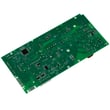
We use the model number to match the correct GE washer parts for your exact configuration, including control components like the washer electronic control board WH22X37840 and door-locking parts. Even small model-number differences can change which parts fit.
- Wipe the label gently with a damp cloth and dry it
- Use your phone camera zoom or flashlight to improve contrast
- Copy the model number character-for-character (including any suffix letters)
For the official label location and how GE lists the model and serial fields, see the owner's manual.
Last updated: March 2026


