
Is 4 hours on high the same as 8 hours on low in a slow cooker?
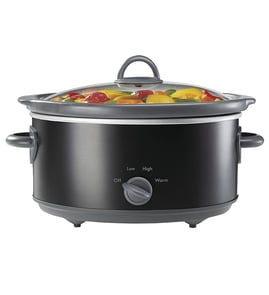
Yes. For a KitchenAid slow cooker like model KSC700GC0, 4 hours on HIGH typically cooks similarly to about 8 hours on LOW because both settings are designed to reach a safe simmering temperature; HIGH gets there faster, while LOW holds food at that gentler heat longer.
Both settings aim for a simmer; the difference is how quickly the crock contents heat up and how long they stay at that heat.
- HIGH: faster heat-up; best when you are short on time
- LOW: slower heat-up; best for tenderness and even cooking
- Texture can change: LOW usually gives more tender meat and softer vegetables
- Sauces reduce differently: longer LOW cooks can thicken sauces more
- Lean meats dry out faster: HIGH can overcook chicken breast or pork loin
Use this as a reliable rule of thumb for most slow cooker recipes.
| If a recipe says | Common swap | Best for |
|---|---|---|
| 8 hours LOW | 4 hours HIGH | Soups, chili, many casseroles |
| 6 hours LOW | 3 hours HIGH | Beans (pre-soaked), stews |
| 4 hours LOW | 2 hours HIGH | Smaller roasts, hot dips |
Swapping works for many recipes, but these situations cook better on LOW.
- Large, tough cuts (chuck roast, pork shoulder) when you want “fall-apart” texture
- Recipes with lots of dairy added early (cream, milk, some cheeses)
- Very full crocks (near the top) where even heating matters
- Dishes with delicate seafood
Slow cookers are about time at temperature. HIGH can get you to a simmer quickly, but LOW gives collagen-heavy meats more time to break down and helps prevent scorching around the edges.
If your KSC700GC0 seems to run too hot or too cool (burning on LOW, never simmering on HIGH), that points to a control or heating issue. We list model-based parts and resources at Sears PartsDirect.
Last updated: February 2026
What are the most common issues with KSC700GC0?
The most common issues we see with the KitchenAid KSC700GC0 slow cooker are heating problems (not heating or overheating), power and control problems (won’t turn on, buttons not responding), and lid or insert fit issues that affect cooking performance. Most problems trace back to the power cord, temperature control, or sensor connections.
- Won’t power on: outlet issue, damaged cord, failed control board
- Not heating or heats too slowly: heater circuit problem, loose internal wiring, failed temperature sensor
- Overheats or scorches food: control/sensor issue, incorrect mode selection, lid not sealing
- Display works but no heat: heater circuit open, relay/control failure
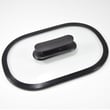
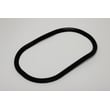
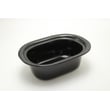
- Cracked or rocking insert, lid doesn’t sit flat: insert or lid wear, gasket/edge damage
Unplug the slow cooker before any inspection.
- Try a different known-good outlet (avoid GFCI trips and loose receptacles)
- Inspect the cord and plug for cuts, kinks, or heat damage
- Confirm the cooker is fully seated on a flat, stable counter
- Verify the lid is aligned and seated evenly (steam leaks can mimic “not cooking”)
- If the unit has a removable insert, make sure it is dry underneath and seated correctly
| Symptom | Most likely area | Best next step |
|---|---|---|
| Dead, no lights | Power supply path | Check outlet, cord, then internal connections |
| Lights on, no heat | Heater circuit | Test continuity of heater path with a meter |
| Runs too hot | Sensor/control | Check for loose connections; consider control replacement |
| Uneven cooking | Lid/insert fit | Reseat lid/insert; inspect for warping or cracks |
A slow cooker that underheats can leave food in an unsafe temperature range; one that overheats can damage the insert and ruin food. Catching cord, control, or wiring issues early helps prevent repeat failures.
If you plan to do electrical checks, use a meter and follow safe testing practices; our guide on how to use a multimeter to test electrical parts video walks through the basics.
Last updated: March 2026
What to avoid when using a slow cooker?
Avoid common mistakes that cause unsafe temperatures, overcooked texture, or cracked cookware when using your KitchenAid KSC700GC0 slow cooker: don’t start with frozen solid foods, don’t overfill or underfill the crock, and don’t lift the lid repeatedly during cooking.
- Starting with frozen meat or large frozen blocks: they can keep the food in the temperature “danger zone” too long.
- Opening the lid often: each peek drops heat and extends cook time.
- Overfilling or underfilling: aim for about 1/2 to 2/3 full for best heat circulation.
- Using too much liquid: slow cookers trap moisture; many recipes need less broth than stovetop methods.
- Reheating cooked food from cold: use the slow cooker to cook; reheat leftovers quickly by another method, then keep warm if needed.
- Dairy (milk, cream, sour cream, many cheeses): add near the end to prevent curdling.
- Lean meats (skinless chicken breast, very lean pork): they dry out; use more sauce, shorter time, or a fattier cut.
- Delicate vegetables (zucchini, peas, spinach): add late so they don’t turn mushy.
- Pasta and rice: they often turn gummy; cook separately or add only at the end with enough hot liquid.
| Avoid | What happens | Better approach |
|---|---|---|
| Frozen solid foods | Slow heat-up, uneven cooking | Thaw first; cut into smaller pieces |
| Frequent lid lifting | Longer cook time | Trust the timer; check near the end |
| Too much liquid | Watery results | Reduce broth; thicken at the end |
| Adding dairy early | Curdling | Stir in during last 15 to 30 minutes |
Slow cookers like the KSC700GC0 rely on steady, trapped heat. When the temperature drops (lid lifting) or the pot is loaded incorrectly (frozen blocks, overfill/underfill), cooking becomes uneven and results suffer.
If your slow cooker is not heating consistently, check for a damaged power cord, loose wiring, or a failing control. We list model-matched parts and diagrams for KSC700GC0, and you can also search by model number on Sears PartsDirect. For safe DIY electrical checks, use our guide how to use a multimeter to test electrical parts video.
Last updated: February 2026