Owner’s manual
 Error Codes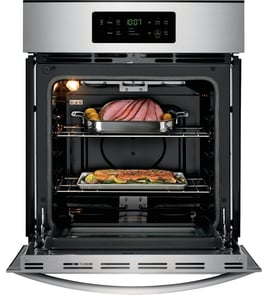


How much does a 24 inch wall oven weigh?
A 24-inch electric wall oven like Kenmore model 91140499890 typically weighs about 90 to 140 lb. The exact shipping and installed weight varies by insulation, self-clean hardware, and trim; confirm the exact figure in the 91140499890 owner's manual.
Typical weight ranges (what to expect)
Most 24-inch single electric wall ovens fall into these ranges:
- Installed weight: 90 to 140 lb
- Shipping weight: usually 5 to 20 lb higher (packaging and accessories)
- Heavier units: models with self-cleaning, thicker insulation, or heavier door glass
| What you are measuring | Typical range | Notes |
|---|---|---|
| Installed oven weight | 90 to 140 lb | What the cabinet and mounting support must carry |
| Shipping weight | 95 to 160 lb | Includes packaging, racks, and paperwork |
Why weight matters for installation
Oven weight affects safety and fit when you slide the unit into the cabinet cutout.
- Cabinet base and side supports must be solid and level
- Fasteners must bite into sturdy wood, not thin trim
- Two-person handling helps prevent door hinge damage and cabinet scratches
- Proper support reduces vibration and helps the door seal evenly
Tips to confirm the exact weight for your oven
Use these quick checks to get the most accurate number for your specific unit:
- Look in the specifications section of the 91140499890 owner's manual
- Check the model and serial tag location (typically on the front frame behind the oven door)
- If you are comparing models, use installed weight for cabinet planning
- If you are moving the oven, plan for shipping weight and use a dolly
Last updated: January 2026
What are the most common issues with 91140499890?
The most common problems we see with the Kenmore 91140499890 24-inch electric wall oven are heating failures (bake or broil not working), the oven not powering up after overheating, the door lock not operating correctly during self-clean, and the oven light or lens issues. Use the 91140499890 owner's manual to match symptoms to the correct checks.
Common symptoms and what they usually point to
- No bake or weak baking: failed bake element, loose wire connection, or control issue
- No broil: failed broil element or a connection problem at the element terminals
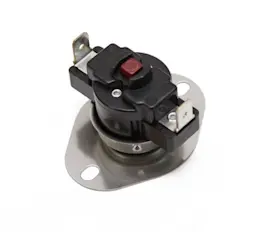
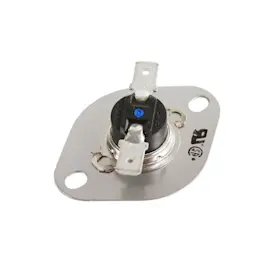
- Oven completely dead: blown thermal fuse after an overheat event
- Door won’t lock or unlock (self-clean issues): lock motor, lock lever, or harness problem
- Fan noise or no cooling/air movement: fan motor problem or obstruction
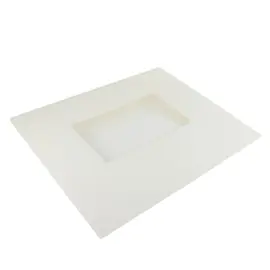
- Oven light not working or lens damaged: lamp holder or light lens issue
Parts that commonly fix these issues (when testing confirms failure)
Use a multimeter and safe access procedures before replacing electrical parts.
| Symptom | Common part to check | Part on this model page |
|---|---|---|
| No bake | Bake element | Wall oven bake element WB44T10007 |
| No broil | Broil element | G.e. range broil element WB44K5009 |
| Oven dead after overheating | Thermal fuse | Wall oven thermal fuse WB24K5085 |
| Self-clean lock problems | Lock motor | Lock motor WB49T10020 |
| Cooling fan problems | Fan | Fan WB26K5072 |
| Light/lens problems | Light lens | Wall oven light lens WB36X192 |
Quick checks we recommend before ordering parts
- Confirm the oven is getting proper power at the breaker (electric wall ovens typically need 240 volts).
- If broil works but bake doesn’t (or the reverse), focus on the non-working element first.
- Look for visible element damage: blisters, cracks, or burned spots.
- If the oven died during or after self-clean, check the thermal fuse first.
- If the door is stuck locked, avoid forcing it; inspect the lock components and wiring.
Why it matters
Heating and lock problems can share symptoms, but they require different fixes. Identifying whether the failure is an element, a safety fuse, or a door lock component helps you restore safe operation and avoid repeat overheating.
Last updated: March 2026
What is the average lifespan of 91140499890?
A Kenmore 91140499890 24-inch electric wall oven typically lasts 15 years with normal household use. Keeping the oven clean, ensuring proper airflow, and replacing wear parts like heating elements when they fail helps you reach that service life.
Typical lifespan and what affects it
Most electric wall ovens fall into a consistent lifespan range; the biggest variables are heat exposure, cleaning habits, and how often the oven runs at high temperatures.
- Heavy baking and frequent self-clean cycles shorten component life
- Power surges and loose wiring connections can damage controls and safety devices
- Grease buildup can trap heat and stress wiring and insulation
- Worn door seals increase run time and heat loss
- Promptly replacing failed parts prevents secondary damage
Parts that most often determine “end of life”
When an oven stops heating or overheats, it is often a single serviceable part, not the whole appliance.
| Symptom | Common part involved | Example part for this model |
|---|---|---|
| No bake heat | Bake element | Wall oven bake element WB44T10007 |
| No broil heat | Broil element | G.e. range broil element WB44K5009 |
| Oven dead after overheating | Thermal fuse | Wall oven thermal fuse WB24K5085 |
Maintenance that extends lifespan
We recommend these practical habits for the 91140499890:
- Wipe spills after the oven cools; avoid letting grease carbonize
- Use self-clean sparingly; high heat is hard on wiring and fuses
- Verify the door closes firmly; heat leaks increase element run time
- If a circuit trips or the oven shuts off hot, inspect for overheating causes before reusing
- Follow the care and operating guidance in the owner's manual
Why it matters
Knowing the expected 15-year lifespan helps you decide whether to repair (often economical for elements, fuses, and door hardware) or plan a replacement if multiple major systems are failing.
Last updated: March 2026