Owner’s manual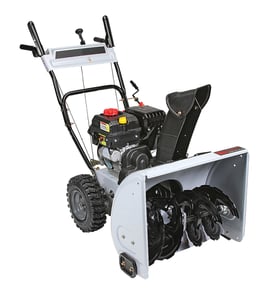


What is the typical lifespan of a gas snowblower?
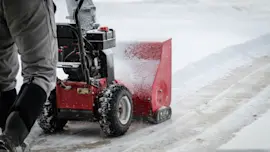
A typical gas snowblower lasts 10 to 15 years with normal residential use and basic maintenance. For the Poulan 96192003701 snow thrower, consistent oil changes, correct fuel storage, and end-of-season cleaning commonly push service life into the 15 to 20 year range.
What extends the life of a Poulan 96192003701 snowblower
We see the longest-lasting machines follow the same routine every season:
- Change engine oil regularly (many owners do it at least yearly)
- Use fresh unleaded regular fuel and avoid storing fuel indoors near ignition sources
- Clean the housing after each use to prevent corrosion and packed debris
- Run the machine a few minutes after throwing snow to help prevent collector or impeller freeze-up
- Store it clean and dry at season’s end (30 days or more of non-use counts as storage)
For model-specific maintenance intervals and storage steps, follow the 96192003701 owner’s manual.
Quick lifespan guide (what to expect)
| Usage pattern | Typical lifespan | What usually wears first |
|---|---|---|
| Light use (few storms per year) | 12 to 18 years | Belts, friction surfaces, cables |
| Moderate use (regular storms) | 10 to 15 years | Belts, bearings, chute components |
| Heavy use (long driveways, wet snow) | 8 to 12 years | Auger drive parts, gearbox, engine wear |
Signs your snowblower is nearing end-of-life
These symptoms often mean the machine needs major service (or multiple parts at once):
- Hard starting even with fresh fuel and a good spark plug
- Loss of throwing distance (impeller or auger drive slipping)
- Drive system slipping or inconsistent ground speed
- Excessive vibration, grinding, or metal-on-metal noise
- Repeated belt failures or frequent shear pin issues
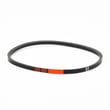
If you’re troubleshooting poor auger performance, a worn or stretched auger belt is a common cause; the husqvarna snowblower auger drive belt, 5/8 x 38-1/8-in 532408007 is one of the listed belts for this model.
Why it matters
A gas snowblower’s lifespan is mostly determined by off-season storage and lubrication. Preventing fuel-related varnish, keeping oil at the correct level, and avoiding water intrusion during cleaning directly reduces engine wear and expensive mid-winter breakdowns.
Last updated: January 2026
What is the most common problem with snow blowers?
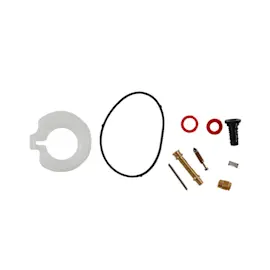
The most common problem we see with the Poulan 96192003701 snow thrower (and most gas snowblowers) is a no-start or hard-start condition, usually caused by stale fuel and fuel-system varnish in the carburetor. The next most common issues are clogged discharge chutes, auger not turning, and drive problems from worn belts.
Most common issues and what usually causes them
- Won’t start / starts then dies: old gas, dirty carburetor jets, fouled spark plug, water in fuel
- Clogged chute / poor throwing: wet snow buildup, packed ice, running the machine too fast into deep snow
- Auger won’t turn: broken shear bolts/pins, loose belt, seized auger shaft bearing
- Unit won’t drive / weak drive: worn or stretched ground drive belt, drive control out of adjustment
- Abnormal vibration: foreign object impact, loose fasteners, damaged auger or impeller
For model-specific operating and safety steps (including how to clear a clogged chute safely), use the 96192003701 owner’s manual.
Quick checks we recommend first (fast troubleshooting)
- Shut the engine off and let all moving parts stop before inspecting anything.
- Use fresh fuel (and don’t store gasoline from one season to the next).
- Check the spark plug condition and gap; replace if fouled.
- Inspect belts for glazing, cracking, or slack; a worn belt can stop the auger or drive.
- Look for obvious damage after hitting a foreign object; vibration is a warning sign.
If you’re chasing an auger engagement issue, the snowblower auger drive belt 532408007 is a common wear item on this model family.
Symptoms vs. likely causes (at-a-glance)
| Symptom | Most likely cause | Typical fix |
|---|---|---|
| Won’t start | Stale fuel, dirty carburetor | Drain/replace fuel, clean carburetor, replace spark plug |
| Chute clogs | Wet snow, packed ice | Clear with tool only; adjust technique |
| Auger won’t spin | Belt issue or shear bolt failure | Replace belt/shear bolts; inspect auger |
| Won’t move | Ground drive belt worn | Replace belt; adjust drive control |
Why it matters
Starting and chute-clog issues are more than inconvenient; they lead to repeated pull-starting, poor snow-throwing performance, and unsafe clearing attempts. The manual specifically warns that hand contact inside the discharge chute is a leading cause of injury, so using the correct shut-down and clean-out method is critical.
Last updated: January 2026
Is it cheaper to repair or replace a snowblower?
For the Poulan snow thrower model 96192003701, it’s usually cheaper to repair when the problem is a normal wear item (belts, fasteners, lubrication, spark plug service). It’s usually smarter to replace when the repair involves major drivetrain or engine work and the total cost approaches about half the price of a comparable new snowblower.
A practical cost rule we use
A simple way to decide is to compare the total repair cost (parts + labor + any pickup/delivery) to the cost of a similar new unit.
- Repair when the fix is straightforward and parts are reasonably priced
- Replace when multiple major systems are failing or the machine has severe corrosion/structural damage
- Replace when the repair estimate is near 50% or more of a new snowblower’s price
- Repair when you can do the work yourself safely and the machine is otherwise in good shape
Common “repair” items vs “replace” items
| Situation | Usually cheaper choice | Why |
|---|---|---|
| Belt slipping or worn | Repair | Belts are routine wear items and are expected maintenance |
| Loose hardware, vibration, minor leaks | Repair | Often solved with basic service and fasteners |
| Auger/impeller drivetrain damage (gearbox, shafts) | Replace (often) | Parts and labor add up quickly |
| Engine replacement or major internal engine issue | Replace (often) | High cost relative to machine value |
Model-specific notes that affect the decision
Your manual calls out routine maintenance that helps avoid expensive repairs, including checking for loose fasteners before each use and replacing the spark plug and checking belts for wear at least once a season. Use the maintenance schedule and procedures in the 96192003701 owner’s manual.
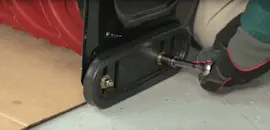
Also, belt replacement on this style of snow thrower can require separating the auger housing from the frame, and the manual recommends service-center replacement. If you’re paying labor for that job, it can push you closer to the replace decision.
Why it matters
A snowblower that’s maintained (oil checks, lubrication, belt inspections) typically stays reliable longer and costs less per season. Skipping maintenance often turns a low-cost repair into a high-cost breakdown.
Helpful DIY guidance
If you’re leaning toward repair, these step-by-step resources help you estimate effort and avoid repeat failures:
- How to replace a snowblower belt video
- How to check a snowblower spark plug video
- How to change snowblower oil video
- How to make your snowblower last longer
Last updated: January 2026
What happens if you don't drain gas from a snowblower?
If you do not drain (or properly treat) gasoline in your Poulan snow thrower model 96192003701, the fuel can break down and leave varnish and deposits that clog the carburetor and fuel system, leading to hard starting, rough running, or a no-start condition. Our storage guidance in the 96192003701 owner's manual also notes not to store gasoline from one season to another.
What stale gas can do to your snowblower
Old fuel causes problems because it changes chemically and can leave residue in small passages.
- Clogs carburetor jets and passages (common cause of “starts then dies”)
- Sticks the float needle, which can cause flooding or fuel starvation
- Leaves gum and varnish in fuel lines and the fuel tank
- Makes cold starts much harder and reduces power under load
- Can contribute to corrosion if moisture gets into the fuel system
Best practice for end-of-season storage (two safe options)
Your Poulan 96192003701 storage instructions support using fuel stabilizer and specifically say do not empty the gas tank and carburetor if using fuel stabilizer.
| Storage approach | What you do | Best for |
|---|---|---|
| Stabilize the fuel | Add stabilizer, run engine to pull treated fuel into the carburetor | Most owners; quickest and most reliable |
| Drain the fuel system | Drain tank and run engine until it stops (carb runs dry) | When fuel is already old or contaminated |
Quick checklist before you store it
Use these steps to prevent fuel-related no-start issues next season.
- Add fresh gasoline and stabilizer (follow stabilizer label directions)
- Run the engine long enough to circulate treated fuel into the carburetor
- Store fuel containers properly; replace rusty gas cans (rust and dirt cause problems)
- Store the snowblower indoors if possible; cover with a breathable cover (not plastic)
- Let the engine and exhaust cool before covering
Why it matters
Most snowblower “won’t start after storage” complaints trace back to fuel breakdown and carburetor deposits. Preventing stale-gas buildup saves time, avoids repeat pull-start attempts, and reduces the chance you will need carburetor service.
For a step-by-step seasonal routine, follow the how to change snowblower oil video along with the storage section in your manual.
Last updated: January 2026