Owner’s manual
 Error Codes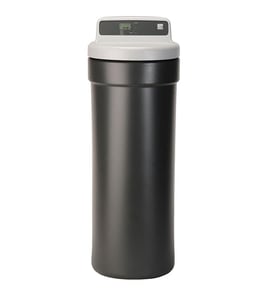






What water softeners do plumbers recommend?
Plumbers typically recommend water softeners that use proven control valves, have readily available replacement parts, and can be sized to the home’s water hardness and usage. For Kenmore model 625388450, we focus on helping you keep your existing system running correctly and efficiently using the setup and maintenance steps in the 625388450 owner's manual.
What plumbers usually look for (and why)
Most plumbers recommend systems that are straightforward to service and reliable in day-to-day operation:
- Correct sizing (grain capacity matched to hardness and household demand)
- Serviceable valve design (common seals, rotor/disc, motor, venturi parts)
- Easy programming (clear timer settings and regeneration control)
- Good salt management (reduced salt bridging and consistent brine making)
- Protection from freezing (prevents valve and tank damage)
How this applies to Kenmore 625388450
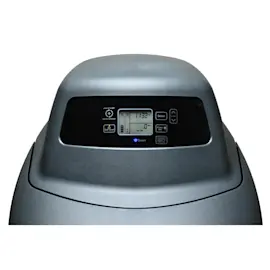
Your Kenmore 625388450 is designed to remove hardness minerals and some “clear water” iron (within the limits listed in the specifications section of the manual). It will not remove “red water” iron or make unsafe water safe to drink, so plumbers often pair additional filtration when needed.
If you’re comparing options, use this quick checklist first:
| What to compare | What to check | Why it matters |
|---|---|---|
| Water hardness | Grains per gallon (GPG) test result | Drives correct capacity and settings |
| Iron type | Clear-water vs. red-water iron | Determines if extra equipment is needed |
| Regeneration | Metered vs. timed, salt type setting | Impacts salt use and performance |
| Serviceability | Common wear parts available | Lowers long-term repair cost |
Common “recommended” brands (general guidance)
Across the industry, plumbers often point customers toward systems built around widely used valve platforms and strong parts support. The specific brand varies by region and water conditions, but the decision usually comes down to sizing, valve reliability, and local service.
For help keeping your current Kenmore performing like a plumber-installed system, we also recommend reviewing water softener common questions.
Why it matters
A “recommended” softener is the one that matches your water chemistry and household demand. Even a top brand will underperform if it’s undersized, programmed incorrectly, or dealing with iron it was not designed to remove.
Last updated: January 2026
What is the life expectancy of a Kenmore water softener?
A Kenmore water softener like model 625388450 typically lasts 8 to 10 years. Lifespan depends most on incoming water quality (iron, sediment, chlorine), correct salt use, and routine care such as periodic cleaning and disinfecting.
What affects lifespan the most
- Iron in the water: iron can foul the resin bed and increases cleaning needs
- Salt habits: keeping salt in the tank (without overfilling in humid areas) helps consistent regeneration
- Maintenance frequency: periodic disinfecting and resin-bed cleaning reduce internal buildup
- Freeze exposure: freezing can crack tanks and fittings and shortens life quickly
- Regeneration settings: forcing a regeneration every few days can help keep resin cleaner in some iron conditions
Signs your softener is nearing end of life
Common end-of-life symptoms usually point to worn valve seals, a failing valve drive, or resin breakdown.
| Symptom | Most common cause | What we recommend checking first |
|---|---|---|
| Water feels hard again soon after regeneration | Resin worn or fouled, settings off | Water hardness setting and regeneration frequency in the 625388450 owner's manual |
| Low water pressure at multiple fixtures | Resin fines, clogged screens/venturi | Clean the nozzle/venturi and screens; inspect for debris |
| Softener runs but does not regenerate correctly | Valve wear or drive issue | Valve seals and rotor components; consider Kenmore water softener seal kit 7185487 |
| Error code or stuck in a cycle | Position sensing or motor/gear issue | Use Kenmore error codes and inspect motor/gear train |
Maintenance that helps you reach the full lifespan
- Keep salt in the tank; in humid areas, keep it about 1/4 to 1/2 full to reduce salt bridging
- Clean the resin bed on a schedule if your water contains iron (many owners do this about every 6 months)
- Disinfect the softener periodically (some water supplies need this)
- Protect the unit from freezing; drain it if installed where temperatures can drop below freezing
Why it matters
A softener that is past its service life can waste salt and water, deliver inconsistent soft water, and create nuisance issues like pressure drop. Staying on top of salt, cleaning, and settings helps the resin bed and valve system last longer.
Last updated: January 2026
Is it worth repairing a water softener?
Yes, repairing a Kenmore 625388450 water softener is usually worth it when the problem is in the valve or controls (leaks, no soft water, error codes) and the tank is still sound; many fixes are straightforward and cost far less than replacing the whole unit.
Quick way to decide (repair vs. replace)
Use this checklist first, then confirm model-specific procedures in the 625388450 owner's manual.
- Repair when you have a small leak at the valve, inconsistent soft water, or a regeneration problem.
- Repair when the unit has power but shows an error code or regenerates at the wrong time.
- Repair when the issue points to common service parts like seals, the valve motor, or the nozzle/venturi.
- Replace when the resin tank or salt storage drum is leaking (a structural failure).
- Replace when multiple major components have failed and the total parts cost approaches a new softener.
Common repairs that are often worth doing on this model
These are frequent, high-impact fixes for the Kenmore UltraSoft style valve used on model 625388450:
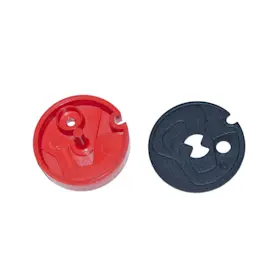
- Rebuild the valve seals using the Kenmore water softener seal kit 7185487.
- Restore brine draw by cleaning or replacing the nozzle/venturi (often tied to poor regeneration).
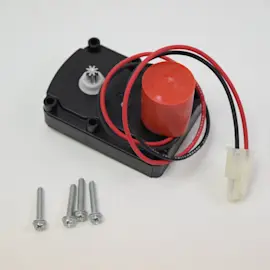
- Fix a “stuck” or noisy drive by servicing the motor and gear train.
- Correct “no soft water” complaints by verifying bypass position and inlet/outlet plumbing.
- Address error codes using the diagnostics and wiring checks in the manual.
What the symptoms usually point to
| Symptom | Most likely area | Typical next step |
|---|---|---|
| No soft water | Bypass set wrong, brine draw issue, valve not cycling | Verify bypass, then check nozzle/venturi and regeneration |
| Error code on display | Electronics, switch, motor circuit | Follow diagnostics; inspect wiring and motor circuit |
| Regenerates at wrong time | Power interruption, time not set | Reset time of day and confirm settings |
| Water leaking at valve | Worn seals/rotor components | Rebuild valve sealing surfaces |
Why it matters
A water softener that is out of adjustment or not regenerating correctly wastes salt and water and lets hardness minerals back into your plumbing. A targeted repair (seals, venturi cleaning, motor/gear service) restores performance without the cost and hassle of a full replacement.
Last updated: January 2026