
What is the best overall paint sprayer for home use?
For most homeowners, the best overall paint sprayer is an airless sprayer because it handles big jobs fast (walls, fences, siding) and works with common interior and exterior paints. If you want a smoother finish on cabinets or furniture, an HVLP sprayer is usually the better pick for control and reduced overspray.
- Whole rooms, fences, decks, exteriors: airless sprayer
- Cabinets, furniture, trim, doors: HVLP sprayer
- Small touch-ups and crafts: handheld HVLP or small cup gun
- Thicker coatings (primer, some exterior paints): airless sprayer (less thinning)
- Lowest mess indoors: HVLP with careful masking and ventilation
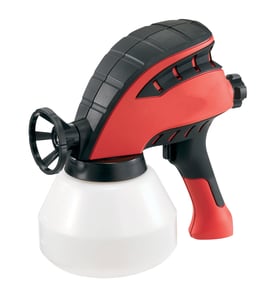
The Campbell Hausfeld AL2305 is an airless paint sprayer style tool, so it is best suited for faster coverage on larger surfaces. For many home users, an airless unit like this is the “overall” choice when speed and coverage matter more than ultra-fine finish work.
| What you care about | Airless sprayer | HVLP sprayer |
|---|---|---|
| Speed on large areas | Best | Good for small areas |
| Finish quality on cabinets | Good (with practice) | Best |
| Overspray | Higher | Lower |
| Paint thinning | Usually minimal | Often required |
Choosing the right sprayer type saves time and material. Using an airless sprayer for cabinets can create extra overspray and more sanding; using HVLP for a whole exterior can turn into a long, frustrating project.
If your sprayer has power issues, intermittent operation, or you suspect a cord or switch problem, use how to repair broken or damaged wires video to understand safe, basic wire repair concepts and when replacement is the better option.
Last updated: February 2026
How much paint is wasted with an airless sprayer?
With a Campbell Hausfeld AL2305 airless paint sprayer, it’s normal to use more paint than brushing or rolling because some material becomes overspray and stays in the hose, pump, and filter. In most DIY situations, plan on roughly 25% to 33% more paint versus rolling.
Most of the extra paint use comes from normal sprayer behavior, not a defect.
- Overspray: airborne mist that misses the surface
- Back-rolling needs: porous or textured surfaces often need a second pass
- Transfer losses: paint left in the hose, pump, and gun at shutdown
- Wind and distance: spraying too far away increases bounce-back
- Tip wear or wrong tip size: poor atomization increases fogging
These ranges help you estimate material for walls, fences, and siding.
| Application method | Typical paint use vs. roller | Notes |
|---|---|---|
| Roller | Baseline | Best transfer efficiency for most interiors |
| Airless sprayer | +25% to +33% | Depends heavily on masking, wind, and technique |
| Brush | Similar to roller | Slower, but very controlled |
Use these setup and technique steps to cut overspray and improve coverage.
- Spray 12 to 18 inches from the surface and keep the gun square
- Use the lowest pressure that still gives an even fan pattern
- Move at a steady pace; overlap passes about 50%
- Replace or clean clogged filters; restricted flow increases spitting and fog
- Stop and address worn tips; a worn tip widens the fan and wastes paint
- For exterior work, avoid spraying in gusty conditions and shield the work area
Estimating the extra 25% to 33% helps you buy enough paint for the job, avoid color-lot mismatches, and reduce cleanup time from heavy overspray.
For more DIY help around tools and safe repair habits, use are diy appliance repairs safe.
Last updated: February 2026
What is the number one rule when using an airless spray gun?
The number one rule when using an airless spray gun on a Campbell Hausfeld AL2305 airless paint sprayer is preventing injection injuries: never point the gun at yourself or anyone else, and never put your hand or fingers near the spray tip because the high pressure can force paint under the skin.
- Engage the trigger lock whenever you stop spraying, even briefly.
- Keep hands and body away from the spray tip and any leaks.
- Wear PPE: eye protection, gloves, and a respirator rated for the coating you’re spraying.
- Relieve pressure before clearing clogs, changing tips, or servicing the sprayer.
- Use the correct tip guard and make sure it’s installed securely.
- Keep the hose in good condition; replace it if it’s cut, bulged, or leaking.
Good technique reduces overspray, runs, and tip clogs, and it also helps you stay in control of the gun.
- Hold the gun about 10 to 12 inches from the surface.
- Keep the gun perpendicular (90 degrees) to the work.
- Move your arm at a steady speed; do not “wrist” the gun.
- Overlap each pass by about 50%.
| What you do | What it prevents | What you’ll see if it’s wrong |
|---|---|---|
| Keep distance consistent | Heavy edges, light centers | Stripes or uneven sheen |
| Stay at 90 degrees | “Fanning” and thin spots | One side looks dry or patchy |
| Overlap 50% | Lap marks | Zebra-like bands |
| Trigger at the ends | Runs at start/stop points | Teardrops at pass ends |
Injection injuries are the top safety risk with airless sprayers because pressure is high enough to drive coating into skin. Following the safety rule first, then dialing in distance, angle, and overlap, gives you a safer job and a smoother finish.
For general DIY safety practices before you start, use our guide: are diy appliance repairs safe.
Last updated: February 2026
What are the disadvantages of airless spray painting?
Airless spray painting with a Campbell Hausfeld AL2305 airless paint sprayer is fast, but the tradeoffs are overspray, more masking and cleanup, and a technique learning curve. It is also less forgiving on small or detailed projects where a brush or roller gives better control.
- Overspray and bounce-back: Fine mist can travel and settle on nearby surfaces, creating paint waste and extra cleanup.
- More prep time: You typically spend longer masking, covering floors, and protecting trim than you would with rolling.
- Cleanup is more involved: You must flush the pump, hose, and spray tip thoroughly to prevent clogs and premature wear.
- Learning curve: Tip size, pressure, distance, and speed all affect runs, orange peel, and striping.
- Less precision for detail work: Tight corners, small furniture, and intricate trim are easier with a brush.
Airless sprayers shine on large, open surfaces. For smaller jobs, the setup and overspray can outweigh the speed.
| Project type | Airless sprayer downside | Better approach |
|---|---|---|
| One door or small cabinet | Too much masking and overspray risk | Brush and roller |
| Detailed trim | Hard to control edge quality | Brush |
| Large fence or siding | Overspray control needed | Airless (with careful masking) |
| Interior walls in occupied rooms | Dusting and drift concerns | Roller |
- Use the lowest pressure that still gives a consistent fan pattern.
- Keep a steady distance and speed to avoid runs.
- Strain paint and keep filters clean to reduce tip clogs.
- Practice on cardboard or scrap before spraying finished surfaces.
- Plan a cleanup routine immediately after spraying so paint does not dry in the system.
Most “airless sprayer problems” come from overspray control, surface prep, and incomplete cleanup. Managing those three areas protects your finish quality and helps your sprayer last longer.
For general DIY safety and planning, see are diy appliance repairs safe.
Last updated: February 2026