View engine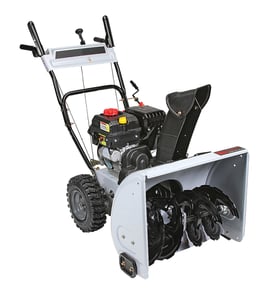




What engine does Poulan Pro use?
Poulan Pro equipment uses engines from several manufacturers depending on the specific model and year; for the Poulan PP1130ES-96192000700 gas snow blower, the exact engine brand and model are best confirmed from the engine ID label on the blower itself before ordering tune-up or fuel-system parts.
Look for an engine identification label or stamping; it is usually on the recoil starter housing, valve cover, or near the muffler.
- Write down the engine brand (commonly LCT, Briggs & Stratton, Tecumseh on older units, or other OEM suppliers)
- Record the engine model and type/spec numbers
- Note the serial number (helps match carburetor and ignition parts)
- Compare the label info to your parts diagram before buying parts
Even within the same snowblower model, engine suppliers and carburetor styles can vary. These chassis parts are model-based, but engine parts are often engine-based.
| Part type | Usually matched to | Example chassis part on this model page |
|---|---|---|
| Carburetor, primer bulb, ignition coil | Engine model/type | (Not listed in the parts shown here) |
| Auger/drive hardware | Snowblower model | Snowblower auger worm gear 598831601 |
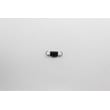
| Chute/deflector hardware | Snowblower model | Husqvarna snowblower chute deflector tension spring 532184505 |
Using the engine ID prevents wrong-part returns and saves time; it is the fastest way to match the correct carburetor, spark plug, air filter, and ignition components for your Poulan Pro snowblower.
Last updated: February 2026
Why is my Poulan Pro snowblower leaking gas?
Gas leaking on a Poulan PP1130ES-96192000700 snow blower almost always comes from the fuel system: a stuck carburetor float/needle, a damaged fuel line, or a leaking carburetor bowl gasket. Stop using the machine until the leak is fixed to prevent fire risk and hard-start issues.
- Turn the engine OFF and let it cool completely.
- Shut the fuel valve OFF (if equipped).
- Move the snowblower outdoors, away from ignition sources.
- Wipe up fuel and let vapors dissipate before troubleshooting.
- Carburetor overflow: Fuel drips from the carb throat or air intake; the float needle is not sealing.
- Carburetor bowl area: Wetness around the bowl seam; gasket or bowl screw sealing issue.
- Fuel line and connections: Cracked line, loose clamp, or seep at the tank outlet.
- Primer bulb (if equipped): Cracked bulb or leaking check valve.
- Fuel cap vent: A damaged cap seal can allow slosh leaks (usually only when tipped).
| What you see | Most likely cause | What to do next |
|---|---|---|
| Leak continues with engine OFF | Fuel line, tank fitting, or carb needle stuck open | Inspect line, then tap carb bowl lightly; plan carb service |
| Leak only when running | Bowl gasket seep or vibration-loosened fastener | Check bowl area and mounting fasteners |
| Strong fuel smell, wet air box | Carb flooding | Clean carb, verify float moves freely |
| Leak after storage | Old fuel varnish holding needle open | Drain old fuel, clean carb passages |
We match parts by exact model and diagram location. For this model, common repairs often involve the auger/drive area too, so if you are already servicing the machine, inspect wear items while you are there.
- If you are also seeing gearbox oil or slop at the auger, check the snowblower auger worm gear 598831601.
- If the auger feels rough or noisy, inspect the snowblower auger bearing 532420478.
A fuel leak can flood the engine (hard starting, black smoke), damage rubber components, and create a fire hazard. Fixing the leak early also prevents carburetor contamination from worsening.
Last updated: February 2026
What are the parts of a snow blower called?
On the Poulan PP1130ES-96192000700 gas snow blower, the main parts are typically the engine, auger and impeller (to collect and throw snow), and the chute/deflector (to aim the discharge). Controls, cables, and hardware tie everything together so the machine drives and the auger system engages safely.
- Engine: provides power to the drive system and auger/impeller.
- Auger: the front rotating assembly that pulls snow into the housing.
- Impeller: the fan behind the auger that throws snow up the chute.
- Chute and deflector: direct where snow exits and how far it throws.
- Drive system: friction disc, drive plate, axles, and gears that move the unit.
- Controls and cables: levers and cables that engage drive and auger.
Even when names vary slightly by brand, these are the labels customers most often search for:
| Diagram label (common) | Also called | What it affects when worn/damaged |
|---|---|---|
| Auger drive | Auger belt system | Auger stops turning or slips under load |
| Chute control | Chute rotation/deflector control | Chute will not turn or deflector will not hold position |
| Gearcase | Auger gearbox | Grinding noise, auger binds, metal shavings |
| Hardware | Nuts, bolts, washers | Loose handles, wobble, misalignment |
These are examples of part names you may see when repairing the PP1130ES-96192000700:
- Snowblower auger worm gear 598831601 (gearcase drive component)
- Snowblower auger bearing 532420478 (supports auger shaft rotation)
- Snowblower chute deflector tension spring 532184505 (helps the deflector hold position)
- Snowblower impeller 531167901 (throws snow into the chute)
- Cable lever 532428272 (control lever used to engage a function)
Using the correct part name helps you match the right diagram section and order the right replacement the first time, especially for high-wear items like auger/impeller components, chute hardware, and drive parts.
Last updated: February 2026
How many years should a snowblower last?
Most gas snow blowers, including the Poulan PP1130ES-96192000700, typically last 10 to 20 years with normal residential use and consistent maintenance; heavy use, poor storage, and skipped service can shorten that to around 7 to 10 years.
- Maintenance frequency: oil changes, spark plug checks, and belt inspections
- Storage habits: dry storage, fuel stabilized or drained for off-season
- Snow conditions: wet, heavy snow loads the auger and impeller harder
- Wear parts condition: belts, shear pins, bearings, and friction components
- Corrosion control: rinsing off salt and drying the housing after use
- Change engine oil at least once per season (or every 25 to 50 hours of run time).
- Use fresh fuel; add stabilizer for storage.
- Inspect the auger/impeller area for play, noise, or binding.
- Check fasteners and hardware for looseness (vibration is normal on snow blowers).
- Keep the chute and discharge path clean to prevent clogging and strain.
| Symptom | Often fixable? | What it usually points to |
|---|---|---|
| Engine runs rough or won’t start | Yes | Fuel quality, carburetor cleaning, ignition tune-up |
| Poor throwing distance | Yes | Worn impeller components, chute restriction, belt slip |
| Loud grinding from auger gearbox | Sometimes | Gearbox wear; inspect snowblower auger worm gear 598831601 |
| Excessive wobble at auger | Yes | Bearing wear; inspect snowblower auger bearing 532420478 |
A snow blower that is maintained and repaired early usually costs less over time and is safer to operate; worn auger/impeller parts can reduce throwing performance and increase the chance of jams and drivetrain damage.
Last updated: February 2026
Is it worth fixing a snowblower?
Yes, it’s worth fixing a Poulan gas snow blower like model PP1130ES-96192000700 when the problem is a normal wear item or a single failed component and the total repair cost stays well below the price of a comparable replacement machine. It’s usually not worth it when the repair involves major drivetrain or engine damage.
Use these checkpoints before you buy parts:
- Age and condition: Under about 10 to 15 years and not heavily rusted is typically a good repair candidate.
- Type of failure: Fasteners, springs, cables, bearings, and chute parts are usually economical.
- Parts cost vs. replacement cost: If the repair is under ~50% of a new snowblower’s cost, repair is usually the better value.
- Safety and reliability: If the auger or impeller system is damaged and keeps binding, fix the root cause before using it again.
- Your usage: If you clear snow often, a reliable repair can be worth more than upgrading.
These are typical repairs that often restore performance without major teardown:
- Replace a worn chute spring such as the snowblower chute deflector tension spring 532184505.
- Fix loose hardware and vibration issues with correct fasteners (nuts, bolts, washers).
- Address auger end-play or roughness by replacing an auger bearing such as the snowblower auger bearing 532420478.
- Restore throwing performance by correcting chute/deflector alignment and clearing packed snow.
Major driveline or gearbox failures can push costs high quickly.
| Situation | Typical outcome | Usual recommendation |
|---|---|---|
| Minor chute, cable, or hardware issue | Low parts cost, quick repair | Repair |
| Bearing wear, moderate disassembly | Medium cost, good payoff | Repair |
| Gearbox or major auger drive damage | High parts cost and labor | Compare costs closely |
| Repeated failures plus heavy rust | Ongoing downtime | Replace |
A snowblower that binds, vibrates, or throws poorly can damage the auger/impeller system and increase repair costs. Catching small issues early (springs, bearings, loose fasteners) keeps your PP1130ES-96192000700 dependable and cheaper to own.
Last updated: February 2026
Who makes Poulan snowblowers?
Poulan snow blowers, including model PP1130ES-96192000700, are made under the Poulan brand within the Husqvarna family of outdoor power equipment brands. In practice, many Poulan designs share components and engineering with other Husqvarna-owned product lines.
When you’re shopping parts for a Poulan gas snow blower, the most important detail is the exact model number on the ID tag. That model number controls the correct auger, chute, drive, and hardware fit.
- Match parts by model PP1130ES-96192000700, not just “Poulan” or “Poulan Pro”
- Expect shared-style components (fasteners, springs, bearings) across related platforms
- Use the exploded parts diagrams to confirm quantity and placement before ordering
- Replace worn hardware with the correct locking style to prevent loosening from vibration
These are typical wear items you may see across similar designs; always confirm fit by model.
| Component area | What it does | Example part on this model page |
|---|---|---|
| Auger/gearbox | Transfers power to augers | Snowblower auger worm gear 598831601 |
| Chute control | Helps hold chute deflector position | Husqvarna snowblower chute deflector tension spring 532184505 |
| Auger support | Supports auger shaft rotation | Snowblower auger bearing 532420478 |
Knowing the brand family helps, but the model number is what prevents wrong-part returns. Poulan snow blowers can look similar across years, yet use different auger shafts, gearcases, and chute parts depending on the exact build.
Last updated: February 2026
What kind of gas does a Poulan Pro snowblower take?
For the Poulan PP1130ES-96192000700 gas snow blower, we use fresh, clean regular unleaded gasoline (87 octane or higher) with no more than 10% ethanol (E10). Using the right fuel helps prevent hard starting, surging, and carburetor varnish.
Use this checklist when you fill the tank:
- Gas type: regular unleaded
- Octane: 87 minimum
- Ethanol: 10% max (E10)
- Avoid: E15/E85, old gas, and gas contaminated with water or dirt
- Mixing oil: only if your engine is a 2-cycle (most are 4-cycle; check your engine label)
| What you see at the pump | Use it? | Why |
|---|---|---|
| 87 octane, up to 10% ethanol (E10) | Yes | Matches typical small-engine fuel requirements |
| 89 or 91 octane, up to 10% ethanol | Yes | Fine to use, but not required |
| E15 (15% ethanol) | No | Higher ethanol can cause running and fuel-system issues |
| E85 (85% ethanol) | No | Not compatible with small-engine fuel systems |
Snowblower fuel systems sit for long periods. Higher-ethanol or stale fuel can swell rubber components, attract moisture, and leave deposits that clog jets and passages, which leads to no-start or poor performance.
If the engine starts but runs poorly, we focus on the most common fuel-related causes:
- Drain old fuel and refill with fresh E10 or less
- Check the fuel cap vent (a blocked vent can mimic fuel starvation)
- Inspect fuel lines for cracking or soft spots
- Clean the carburetor bowl and main jet if varnish is present
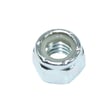
- If you’re servicing the auger area at the same time, replace missing hardware like the lock nut 596322601 so fasteners stay secure
Last updated: February 2026
Is Poulan Pro a good brand leaf blower?
Poulan Pro leaf blowers are a practical choice for typical homeowner cleanup when you match the blower’s CFM and MPH to your yard and choose a design you can comfortably handle. For parts and specs, always shop by the exact leaf blower model number (this parts list is for Poulan snowblower model PP1130ES-96192000700).
- Airflow performance: CFM for volume, MPH for speed
- Starting and fueling: 2-cycle mix accuracy, primer and choke condition
- Comfort: weight, balance, vibration, and handle ergonomics
- Noise and run time: especially for longer sessions
- Parts support: availability of common service items (filters, fuel lines, carburetor parts)
| Yard and debris | What to prioritize | Typical fit |
|---|---|---|
| Small yard, light leaves | Low weight, easy starting | Compact handheld blower |
| Medium yard, wet leaves | Higher CFM, better balance | Mid-range handheld or backpack |
| Large property, heavy debris | Comfort for long use, durability | Backpack blower |
Because PP1130ES-96192000700 is a gas snow blower, “good performance” comes from keeping the auger and chute systems tight and responsive.
- Check the auger gearbox area for grinding or excessive play
- Inspect chute and deflector movement for binding
- Replace missing or loosened hardware so assemblies stay aligned
Common related parts on this model include the snowblower auger worm gear 598831601 and the husqvarna snowblower chute deflector tension spring 532184505.
Leaf blowers and snowblowers are both outdoor power equipment, but parts, specs, and maintenance points are different. Matching the correct model number to the correct parts diagram prevents wrong-part orders and repeat repairs.
Last updated: February 2026