Owner’s manual
 Error Codes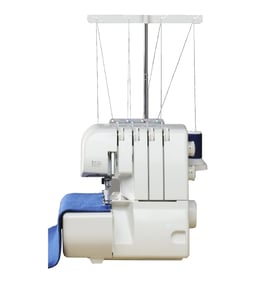

Is a serger and an overlock machine the same thing?
Yes. A serger and an overlock machine are the same type of machine; both stitch and finish fabric edges using multiple threads, and many models also trim the edge as they sew. Your Singer 14CG754 is an overlock (serger) designed for fast, durable seam finishing.
What “serger” and “overlock” mean in practice
Both terms describe a machine that forms an overlock stitch using loopers and multiple thread paths. On the 14CG754, the operator’s guide identifies it as a 2/3/4-thread overlock machine with differential feed, which is a common “serger” feature for controlling stretching and puckering on knits.
Key things you can expect from a serger/overlocker:
- Uses 2, 3, or 4 threads depending on the stitch setup
- Finishes raw edges to reduce fraying
- Can sew seams and finish edges in one pass
- Often includes a trimming knife to cut excess fabric while stitching
- Runs at high speed compared with many conventional sewing machines
Common stitches you can do on the Singer 14CG754
The 14CG754 supports multiple stitch types based on needle position, threading, and tension settings.
| Stitch type | Typical use | Thread count |
|---|---|---|
| Overlock | Edge finishing and seaming on common fabrics | 3-thread |
| Flatlock | Decorative seams, ladder effect, seam finishing | 3-thread |
| Stretch mock safety stitch | Stronger seams on knits and stretch fabrics | 4-thread |
For exact stitch setups (needle position, tensions, stitch length), follow the owner's manual.
Why it matters
Knowing that “serger” and “overlock” are the same helps you shop for the right needles, thread, and accessories, and it also sets expectations: this machine specializes in edge finishing and stretch-friendly seams, not the same tasks as a standard sewing machine (like buttonholes or zipper installation).
Maintenance note for sergers/overlockers
Overlock machines need more routine cleaning and oiling because trimming creates lint and the machine runs at high speed.
- Unplug before cleaning or oiling
- Brush lint from the looper and knife area often
- Use sewing machine oil only (as specified in the manual)
Last updated: February 2026
What is the overlock sewing machine model 14CG754?
The Singer 14CG754 is a household overlock sewing machine (serger) with differential feed that trims, stitches, and finishes fabric edges in one pass for clean seams and hems. It supports 2-, 3-, and 4-thread overlock stitch setups for a wide range of fabrics.
What this model is designed to do
An overlock machine like the Singer 14CG754 is built for speed and professional-looking edge finishing.
- Overedge and finish seams to reduce fraying
- Sew stretch seams that hold up on knits
- Create rolled hems for lightweight fabrics
- Use flatlock-style seams for decorative or seam-joining work
- Adjust stitch length and seam width to match fabric weight
Key capabilities (from the operator guide)
The 14CG754 is a differential-feed serger, meaning the front and rear feed dogs can move at different rates to help prevent wavy seams on knits or puckering on lightweight fabrics.
| Feature | What it means for you |
|---|---|
| 2-, 3-, 4-thread stitching | Lets you choose lighter finishes or stronger seams |
| Differential feed ratio (approx. 0.7 to 2.0) | Helps control stretching or gathering |
| Max sewing speed (up to about 1,300 spm) | Faster seam finishing than a standard sewing machine |
| Overedge stitch width (about 3.0 to 6.7 mm) | Helps match finish width to fabric and thread |
Common stitch types you can use
These are typical stitch families supported on this platform (based on needle position, threading, and tension settings):
- 2-thread standard rolled hem
- 3-thread overlock
- 3-thread flatlock
- 3-thread wrapped edge overlock
- 4-thread stretch mock safety stitch
Why it matters
Knowing the Singer 14CG754 is a differential-feed serger helps you pick the right stitch setup, needle, and tension for your fabric. That directly affects seam strength, edge appearance, and whether knits stay flat instead of rippling.
For stitch setup, threading paths, and adjustments specific to the Singer 14CG754, use the owner's manual.
Last updated: February 2026
What do Americans call an overlocker?
In the U.S., an overlocker is most commonly called a serger. For your Singer 14CG754 overlock sewing machine, “serger” and “overlock machine” refer to the same type of machine that trims fabric edges and stitches the seam in one pass.
Quick terminology guide
Here are the most common terms you will see in the U.S. for this machine type:
- Serger: the everyday American name for an overlock machine
- Overlock machine: the technical name; also used in manuals and on parts diagrams
- Overlock stitch: the stitch that wraps the fabric edge to prevent fraying
- Looper: the thread path parts that form the stitch (instead of a bobbin)
- Differential feed: a feed feature that helps control stretching or puckering on knits (your 14CG754 family manual references differential feed models)
Why it matters when you are troubleshooting or buying parts
Using the U.S. term “serger” helps you find the right instructions and maintenance steps faster, especially for common tasks like cleaning lint from the knife area, threading loopers, and setting stitch type and tension.
Where to confirm features and stitch options for the 14CG754
Your operator information is listed under the owner's manual. It covers stitch types (such as 3-thread overlock, flatlock, and 4-thread safety stitch) and routine care like cleaning and oiling.
| Term you search | What you will usually find | Best use |
|---|---|---|
| Serger | U.S. how-to tips and general guides | Everyday searching |
| Overlock machine | Model-specific instructions and diagrams | Setup, threading, adjustments |
| Overlock stitch | Stitch settings and seam finishes | Choosing stitch type |
Last updated: February 2026
What is an overlock sewing machine?
An overlock sewing machine (also called a serger) is designed to stitch, trim, and finish fabric edges in one pass, creating strong seams and clean, professional-looking overedge finishes. On the Singer 14CG754, you can sew 2-, 3-, or 4-thread stitches for everything from rolled hems to stretch safety seams.
What an overlock machine does (in plain terms)
Overlock machines form stitches using loopers and one or two needles; many setups also trim the fabric edge as you sew so the seam stays neat and doesn’t fray.
Common results you can expect:
- Trims excess seam allowance while stitching (clean edge finish)
- Overedges seams to reduce fraying on woven fabrics
- Creates stretchy seams for knits and activewear
- Produces decorative finishes like flatlock and wrapped edges
- Speeds up seam finishing compared to zigzagging on a standard machine
Stitch types you’ll see on the Singer 14CG754
Your 14CG754 supports multiple stitch configurations based on needle position, threading, and tension settings.
| Stitch type | Threads used | Typical use |
|---|---|---|
| Rolled hem | 2 or 3 | Lightweight fabrics, narrow edge finish |
| 3-thread overlock | 3 | General seaming and overedge finishing |
| 3-thread flatlock | 3 | Decorative seams, ladder effect, seam finishing |
| 4-thread mock safety stitch | 4 | Strong, stretchy seams on knits |
Why it matters
Choosing an overlock stitch instead of a regular straight stitch helps your projects last longer. Finished edges resist fraying, seams look cleaner inside garments, and knit seams stay flexible instead of popping when stretched.
Quick tips for new overlock users
- Match needle and thread to fabric weight; the machine uses Singer needle Cat. No. 2022 in common sizes
- Adjust thread tension for specialty stitches (flatlock depends heavily on correct tension)
- Use differential feed (on differential-feed models like the 14CG754) to help prevent wavy seams on knits
- Practice on scraps before sewing your final fabric
For stitch setup, threading paths, and tension guidance specific to your machine, use the 14CG754 owner's manual.
Last updated: February 2026