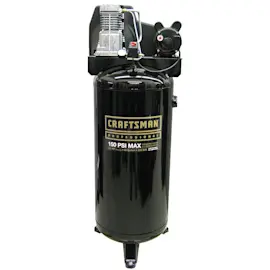
Owner’s manual


What is the common problem with an air compressor?
The most common air compressor problems are air leaks, the unit not building or holding tank pressure, and start or shutoff issues caused by airflow restrictions, loose fittings, or worn internal sealing parts. For Craftsman model 919167220, our troubleshooting steps and safety guidance in the owner's manual help you pinpoint the likely cause.
Most common problems (and what they look like)
- Air leaks at fittings or valves: hissing at couplers, regulator, pressure switch area, or check valve.
- Won’t build tank pressure: runs a long time, never reaches cut-out.
- Safety valve pops open: tank pressure climbs too high or the pressure switch does not shut off.
- Pressure drops when using a tool: some drop is normal; excessive drop points to regulator adjustment, restriction, or leaks.
- Knocking or unusual noise: often tied to check valve issues, restrictions, or heavy continuous use.
Quick checks we recommend first
- Unplug and bleed the tank before any inspection or repair.
- Listen for leaks around fittings, the pressure switch release valve, and the check valve area.
- Check ventilation and intake airflow: keep the unit in a clean, dry, well-ventilated area and do not block openings.
- Confirm the outlet and grounding: use a properly grounded outlet with correct voltage and fuse protection.
Symptom-to-cause cheat sheet
| Symptom | Common cause | What to do next |
|---|---|---|
| Safety valve pops | Pressure switch not shutting off | Turn OFF; service pressure switch system |
| Leaks at fittings | Loose tube fittings | Tighten fittings; recheck for leaks |
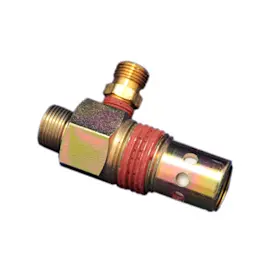
| Leaks at/inside check valve | Damaged seat or restriction | Clean/replace check valve |
| Tank won’t hold air | Tank/weld leak | Replace tank (do not repair tank) |
| Big pressure drop under load | Regulator not set under flow | Adjust regulator while tool is running |
Why it matters
Air leaks and restricted airflow make the compressor run hotter and longer, which increases wear and can create unsafe operating conditions. Proper ventilation, correct electrical grounding, and shutting the unit off if it will not stop at cut-out pressure protect both the motor and the tank.
For step-by-step troubleshooting by symptom, use air compressor won't start when the motor will not run, or air compressor air leaks when you hear hissing.
Last updated: February 2026
Are air compressor parts interchangeable?
Most air compressor parts are not interchangeable because they’re matched to a specific brand and model’s design and pressure/flow requirements. For the Craftsman 919167220 air compressor, use the parts list in the owner's manual to match the exact part number and description before replacing anything.
What’s usually model-specific (not interchangeable)
These parts must match mounting, electrical ratings, and pressure specs to work safely and correctly:
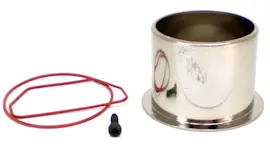
- Pump components (valves, cylinder/head parts, seals)
- Motor and start components (capacitor, cord assembly)
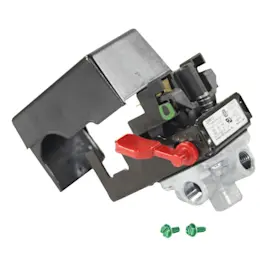
- Pressure switch and unloader setup
- Regulator and manifold-style assemblies
- Tank-mounted safety devices (safety valve, drain valve)
What’s often standardized (sometimes interchangeable)
Some external connections can interchange if the thread type and size match (many are NPT), and the pressure rating is adequate:
- Quick-connect couplers and plugs
- Air hose fittings and adapters
- Some gauges (if the port size and range match)
- Basic nipples and bushings (for example, reducers)
Model 919167220 examples from the parts list
The manual’s repair parts section shows that several common items are defined by specific part numbers for this model:
| Component type | Example description in parts list | Why it matters |
|---|---|---|
| Pressure control | Pressure switch | Cut-in/cut-out settings and wiring must match |
| Safety device | Safety valve | Must be rated for the tank and pressure system |
| Airflow control | Regulator | Must fit the manifold/ports and control output pressure |
| Connection | Quick connect body 1/4 NPT universal | “Universal” refers to coupler style, not every compressor |
How we recommend choosing a compatible replacement
- Identify the exact component name and key number in the parts diagram.
- Match the part number and description for Craftsman 919167220.
- Confirm thread size (commonly 1/4-in NPT or similar) for fittings and gauges.
- Verify pressure rating (PSI) and intended function (safety valve vs. regulator vs. check valve).
- If you’re troubleshooting first, use air compressor common questions to narrow the likely failed part.
Why it matters
Using a “close enough” pump, pressure switch, or safety valve can cause poor performance (won’t build PSI, won’t restart) or create unsafe operating conditions. Matching the correct Craftsman 919167220 part keeps cut-out control, sealing, and airflow working as designed.
Last updated: February 2026
What company makes Craftsman air compressors?
Craftsman air compressors (including model 919167220) have been built by different manufacturers over the years; the maker depends on the specific model and production era. For this older Craftsman portable compressor, the most reliable way to confirm the original manufacturer and specifications is to reference the identification information and parts listing in the owner's manual.
How to identify who made your specific Craftsman compressor
Use these checks on your Craftsman 919167220 air compressor:
- Model number: 919167220 (this is the key identifier for parts and documentation)
- Data plate/label: look for a rating label on the tank or frame that lists manufacturing details
- Parts list and diagrams: the manual includes a repair parts section tied to this exact model
- Document date: the manual for this unit shows a revision date (helpful for placing the era)
What “Craftsman” means for manufacturing
Craftsman is a brand name; it has historically sourced air compressors from multiple OEMs (original equipment manufacturers). That is why two Craftsman compressors can look and perform differently even if they share similar tank size or PSI ratings.
Quick reference: what varies by manufacturer
| Item that can differ | What you may notice | Why it matters |
|---|---|---|
| Pump design | Oil-free vs. lubricated, rebuildable vs. non-rebuildable | Impacts maintenance and repair approach |
| Pressure switch and regulator style | Different fittings and adjustment ranges | Affects troubleshooting and replacement compatibility |
| Parts availability | Different part numbers and diagrams | Ensures you order correct replacement parts |
Why it matters
Knowing the actual maker is less important than matching the exact model number (919167220) when you troubleshoot, rebuild the pump, or replace components like the pressure switch, check valve, regulator, safety valve, or gauges. Using the model-specific parts breakdown prevents ordering mismatched fittings and tubing sizes.
Last updated: February 2026
Is it worth it to repair a compressor?
For a Craftsman air compressor model 919167220, repair is worth it when the problem is a single, fixable failure (like a pressure switch, check valve, or leaking fitting) and the tank and pump are in good shape. Replacement makes more sense when the pump is worn out or repairs keep repeating.
Quick way to decide (repair vs. replace)
We use these checkpoints to make a clear call:
- Repair if the unit still builds pressure close to normal and only has one obvious fault (no-start, leak, bad gauge, bad regulator).
- Repair if the air tank is solid (no rust-through, no pinhole leaks, no damaged drain area).
- Replace if the pump is failing (low output, won’t build tank pressure, loud knocking, overheating) and would need major internal work.
- Replace if the compressor trips breakers repeatedly even after basic electrical checks.
- Replace if you need multiple parts at once and downtime matters.
For model 919167220, the manual lists a 120V/60Hz supply and a 15-amp minimum branch circuit requirement, so electrical issues often come down to power supply, extension cords, or a failing start component rather than “needing a bigger circuit.” See the owner's manual for the exact operating and troubleshooting guidance.
Cost and effort comparison
| Situation | Typical fix path | Usually worth repairing? |
|---|---|---|
| Won’t start | Check power, cord, pressure switch, unloader/check valve | Yes |
| Air leaks | Tighten fittings, replace leaking valve/fitting | Yes |
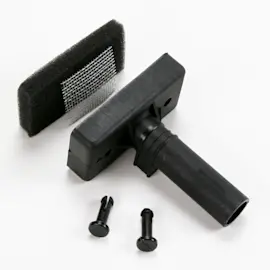
| Won’t build tank pressure | Check for leaks, intake filter, valve issues; pump wear possible | Sometimes |
| Tank won’t hold air | Leak test tank and drain area | No |
Why it matters
A compressor can cycle automatically when power is on, and stored air pressure can create real risk during service. Following the manual’s maintenance and safety steps helps you avoid repeat failures and prevents unsafe testing.
What we recommend doing first
- Unplug the compressor and bleed off all tank pressure.
- Do a leak check (soapy water on fittings, regulator, safety valve, drain valve).
- Confirm the symptom category, then follow a targeted guide:
- If the pump is the issue, use how to rebuild an air compressor pump to judge the time and parts involved before committing.
Last updated: February 2026