 Owner’s manual
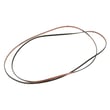


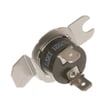
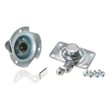
How to replace GE dryer sensor?
On the GE DHDSR46EE1WW electric dryer, a “sensor” question usually means either the door switch (the dryer thinks the door is open) or the temperature control parts that regulate heat. We replace the correct part by matching the symptom first, then following the disassembly steps in the DHDSR46EE1WW owner’s manual.
Use these quick checks to pinpoint the part before ordering:
- Dryer will not start and the drum light works: door switch is a top suspect.
- Dryer runs but won’t heat: heating circuit parts are more likely than a sensor.
- Dryer overheats or shuts off mid-cycle: thermostat or high-limit thermostat is likely.
- Intermittent running when you wiggle the door: door switch.
- Long dry times with normal heat: venting restriction is common.
| Symptom | Most likely part | Example part for DHDSR46EE1WW |
|---|---|---|
| Won’t start when door is closed | Door switch | Door switch WE4M415 |
| No heat (but runs) | Heating element | GE dryer heating element assembly WE11M23 |
| Overheats or cycles heat oddly | Operating thermostat | Dryer operating thermostat (model-specific options vary) |
- Unplug the dryer (or switch off the breaker).
- Open the door and locate the switch at the door opening.
- Remove the mounting screws, then pull the switch forward.
- Transfer wires to the new switch one at a time to keep placement correct.
- Reinstall the switch, close the door, restore power, and test.
Replacing the correct “sensor” part prevents repeat failures and wasted time. For example, restricted venting can mimic heat or sensor problems; the manual’s venting guidance helps protect the heater and thermostats and improves drying performance.
Last updated: February 2026
What is the most common problem with a GE dryer?
The most common GE dryer problem is poor drying performance (long dry times or no heat) caused by restricted airflow from lint buildup or improper venting. On the GE DHDSR46EE1WW electric dryer, start by checking the lint filter and the entire vent path per the DHDSR46EE1WW owner's manual.
- Dryer tumbles but clothes stay damp (no heat or weak heat)
- Drying takes much longer than normal
- Dryer shuts off early or seems to overheat
- Dryer will not start (power, door switch, timer issues)
- Excessive noise (belt, idler, glides, drum support wear)
- Clean the lint filter before every load (a full screen restricts airflow).
- Inspect the outside exhaust hood; make sure the flaps move freely and nothing is nesting inside.
- Confirm you are using 4-inch metal ducting (rigid metal is best); avoid plastic or other combustible duct.
- Keep the vent run short, not crushed, and free of kinks.
- For “won’t start” or “no heat,” check the home breaker box; many electric dryers use two breakers or fuses.
| Symptom | Most likely cause | Example part for this model |
|---|---|---|
| Tumbles, no heat | Heating circuit issue (element or thermostat) | GE dryer heating element assembly WE11M23 |
| Long dry times | Vent restriction, lint buildup, crushed duct | (No part needed first) |
| Squealing/thumping | Worn belt, idler, or drum glides | Drive belt WE03X29897, idler pulley WE12X83 |
| Won’t start | Power supply, door switch, timer | Door switch WE4M415 |
Restricted airflow is the root cause behind many “GE dryer not heating” and “dryer takes too long to dry” complaints. Good venting keeps temperatures stable, improves drying speed, and helps prevent repeated thermostat or heater failures.
If your GE dryer is showing a code (on models that display them), use our GE gfd model series error codes guide to narrow the failure to a specific circuit or component.
Last updated: February 2026
Where to find part number on GE dryer?
On your GE DHDSR46EE1WW electric dryer, the model and serial information is on a label on the front of the dryer behind the door (open the door and check the front panel/door opening area). Use that information to match the correct replacement parts.
Check these common label locations first:
- Open the dryer door and look on the front panel behind the door (most common on this model)
- Check the door opening frame around the drum opening
- Look along the inside edge of the door itself
- If the label is worn, use a flashlight and look for faint printing or an embossed plate
The label typically includes:
- Model number (identifies the exact dryer design; for you, DHDSR46EE1WW)
- Serial number (production code used for service and warranty)
- Sometimes additional codes (date code, electrical ratings)
| Label item | What it’s used for | When you’ll need it |
|---|---|---|
| Model number | Ensures parts fit your exact dryer | Ordering parts like a belt, thermostat, or door switch |
| Serial number | Helps confirm production details | Service calls, warranty, some part lookups |
GE often uses similar-looking dryers with different internal components. Using the model number from the door-area label helps prevent ordering the wrong item, especially for common wear parts like the drive belt WE03X29897 or controls and thermostats.
- Write the model number exactly as shown (letters and numbers)
- Take a clear photo of the label before it fades further
- Match the part by name and ID, then confirm it fits DHDSR46EE1WW
For more label and identification details, use the DHDSR46EE1WW owner’s manual.
Last updated: February 2026





